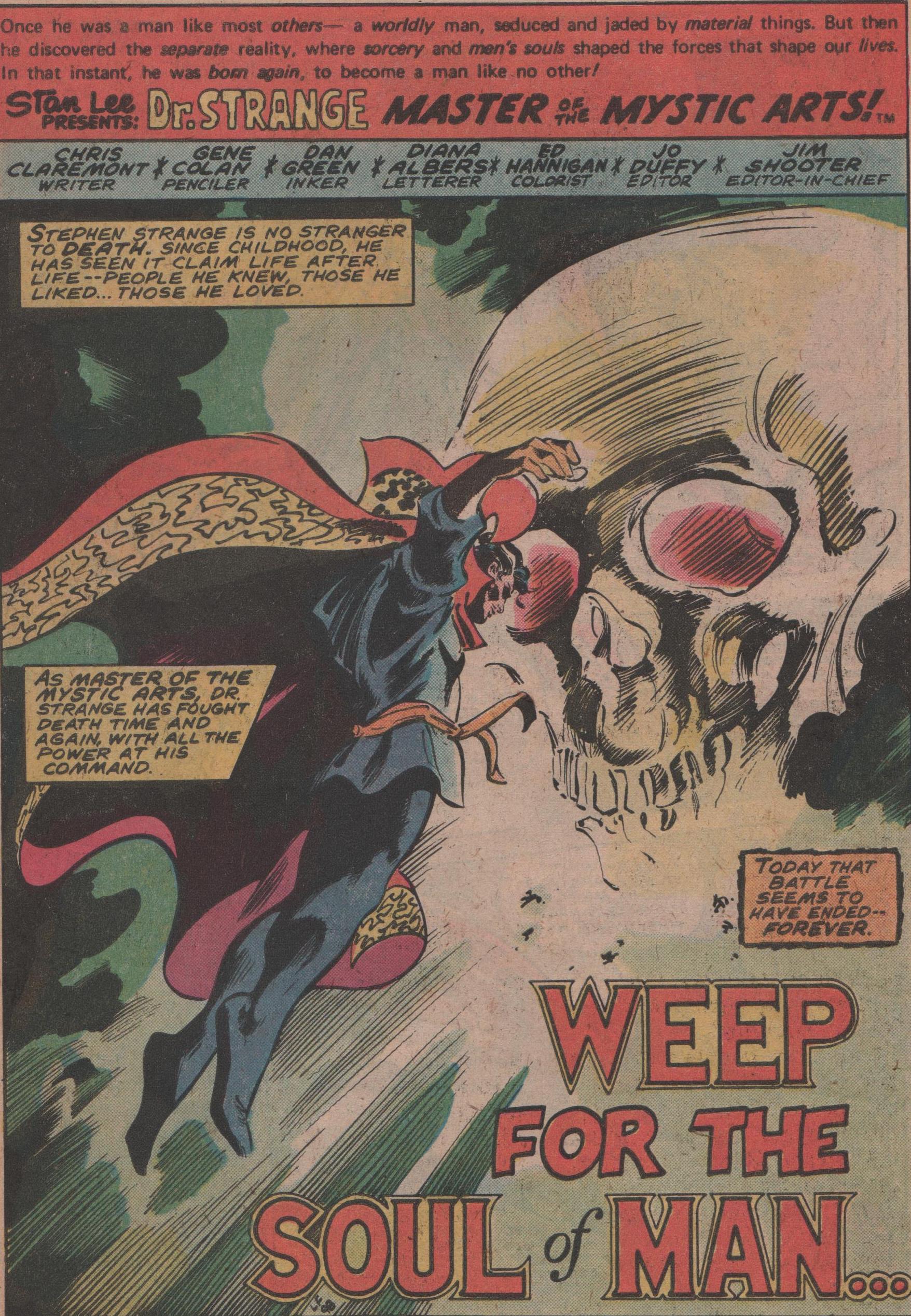
Doctor Strange #41, 1980 “Maelstrom at the Center of Time”

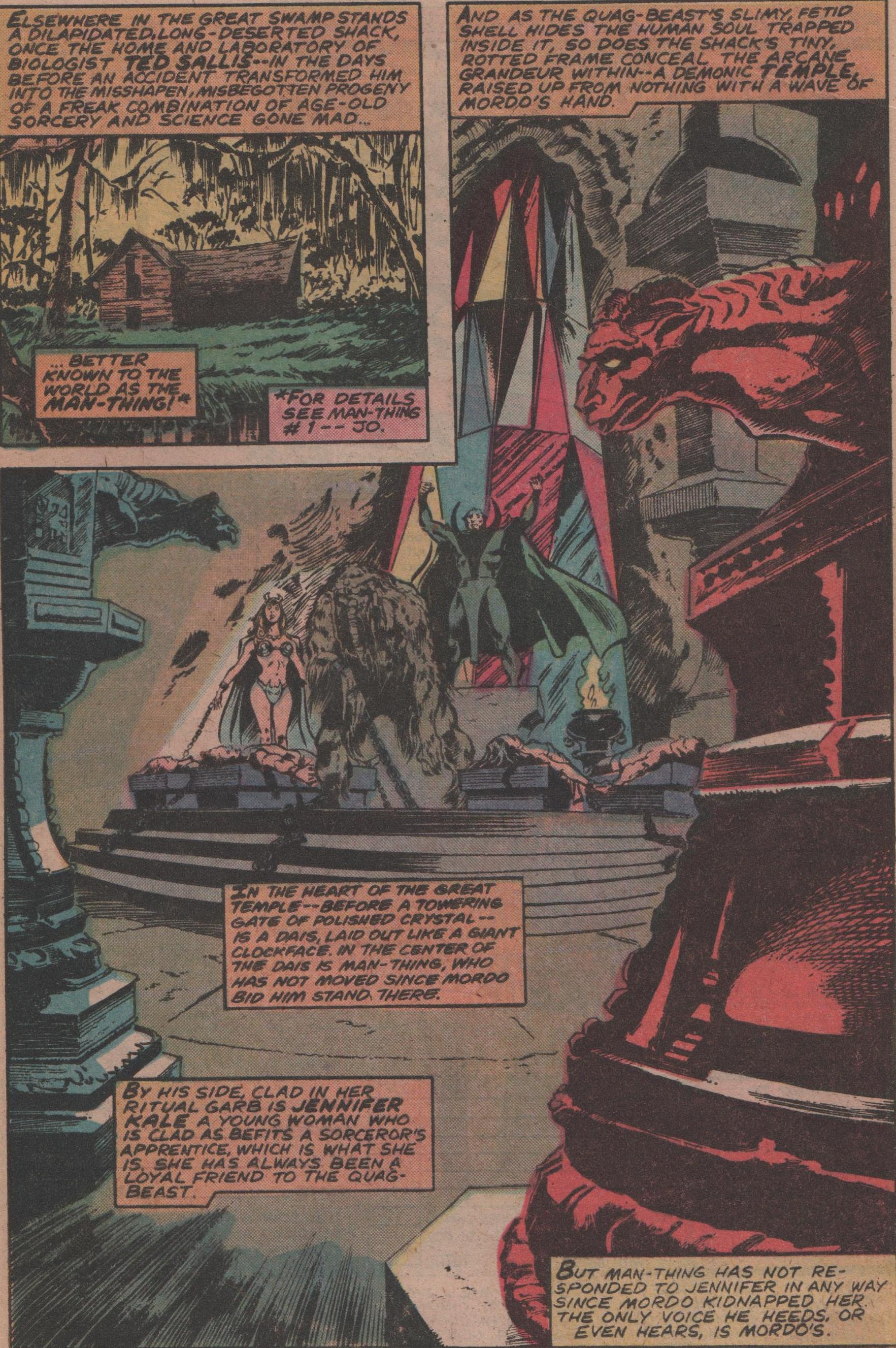
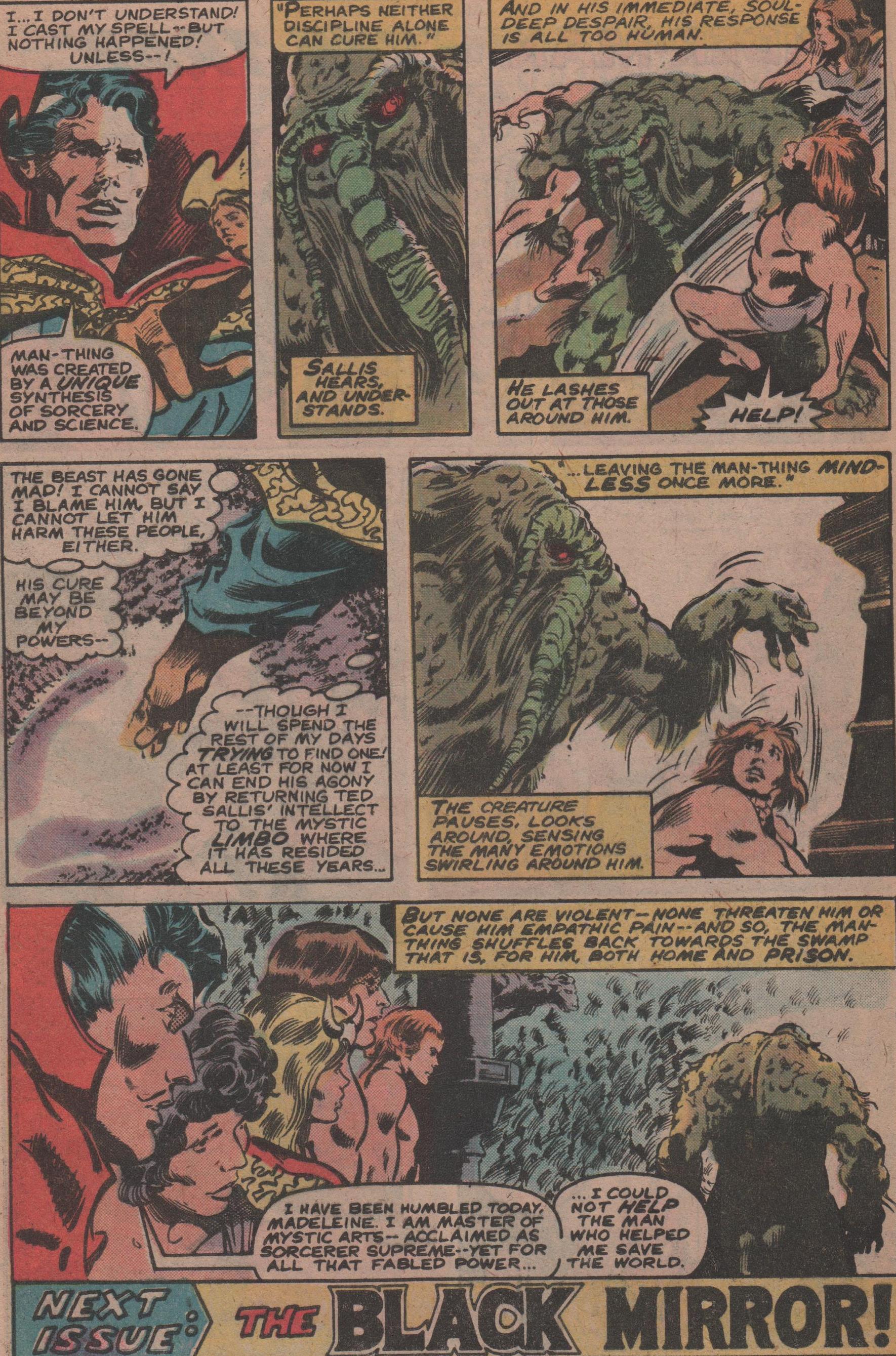
I definitely wanted to sneak in some Doc Strange for Halloween, and what better way, than with a Man-Thing story! In this issue, we see the Doc in an adventure with not only Man-Thing, but also Jenifer Kale, Baron Mordo, a cult, and even Death itself! From cover to cover, you’ll get everything you’ve ever wanted – the Nexus of All Realities, magic, monsters, skeletons, you name it!

The story is brought to us by Chris Claremont, pencils by Gene ‘The Dean’ Colan, inks by Dan Green, letters by Diana Albers, colors by Ed Hannigan, and edited by Jo Duffy! You also get a spectacular cover by Bob Layton and Klaus Janson, as well! Definitely check out this issue, as it can found for a decent price in most back issue bins.


Image (69)

Image (70)

Image (71)

Image (72)

Image (73)

Image (74)

Moon Knight #23, 1982 “Perchance to Scream”

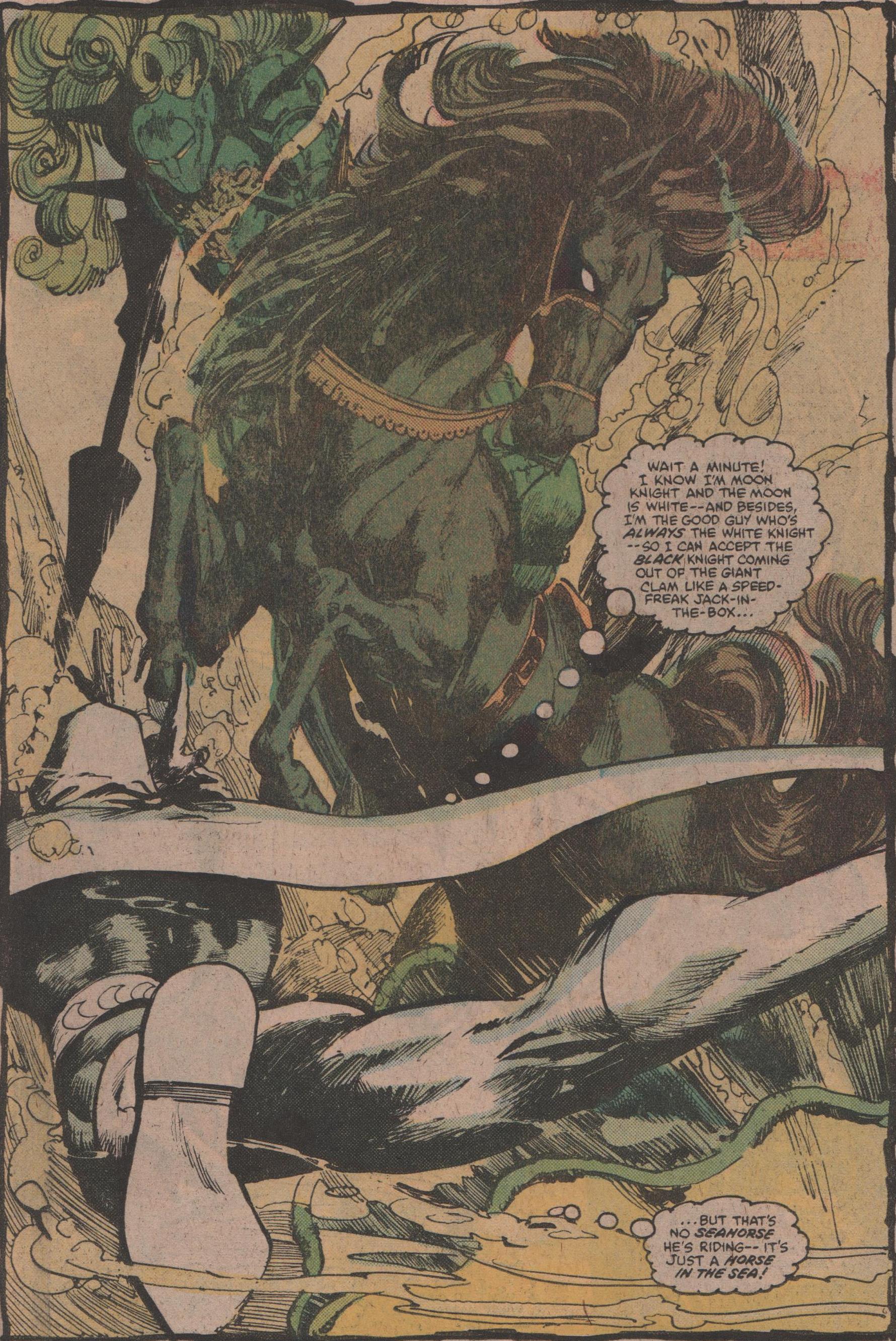
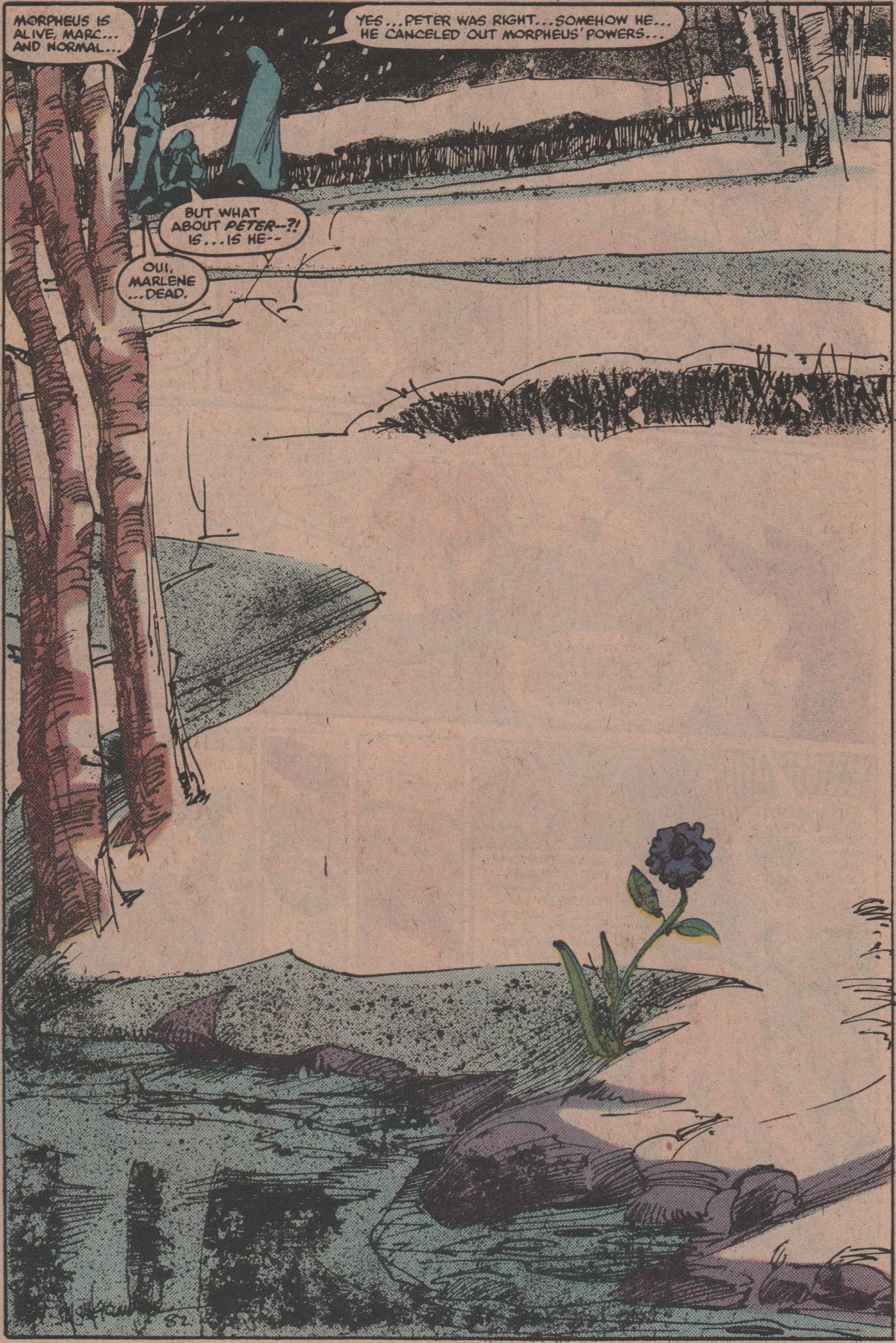
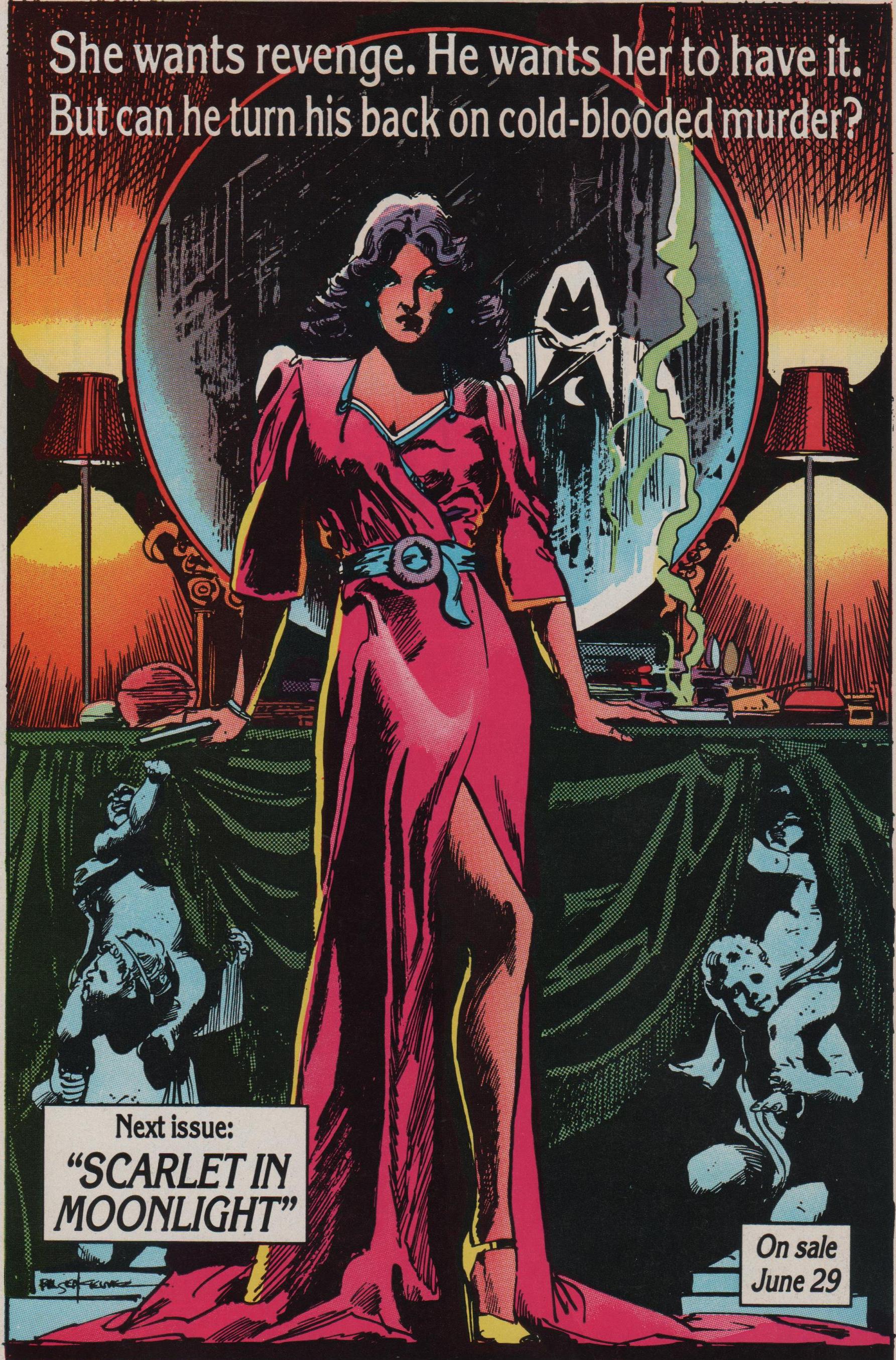
I’ll admit that I’m not the biggest fan of Moon Knight. No vitriol here, but I just never was a huge fan for some unknown reason. That being said, I am picking up a few issues to give the character a shot. One of these issues is Moon Knight #23, and with a cover like this one (by Bill Sienkiewicz), you cannot deny the high “cool” factor it delivers. The issue is basically a part two of  an encounter between Moonie and his foe, Morpheus. I’m not too familiar with this adversary, but he looks completely deranged, and a perfect fit for this title. Oh, and if you didn’t know, “Perchance to Scream” is a riff on “Perchance to Dream”, by Shakespeare (Hamlet).

Let’s be honest about this book. Doug Moench (writer) and Bill Sienkiewicz (pencils & inks) made this character what he is to this day. It’s the defining run for Moon Knight, and from what I have read/heard, rightly so. Sienkiewicz is definitely an acquired taste, and one that you definitely have to give a chance with reading a few issues and just not one or two before you make up your mind. Personally, I find his work striking, and just flat-out different from everyone else in the biz. Letters by Joe Rosen, colors by Christie Scheele, and edited by Denny O’Neil!


Image (240)

Image (242)

Image (243)

Image (244)

Image (245)

Image (246)

Marvel Two-in-One #92 “This Evil Returning” and #93 “And One Shall Die” (1982)

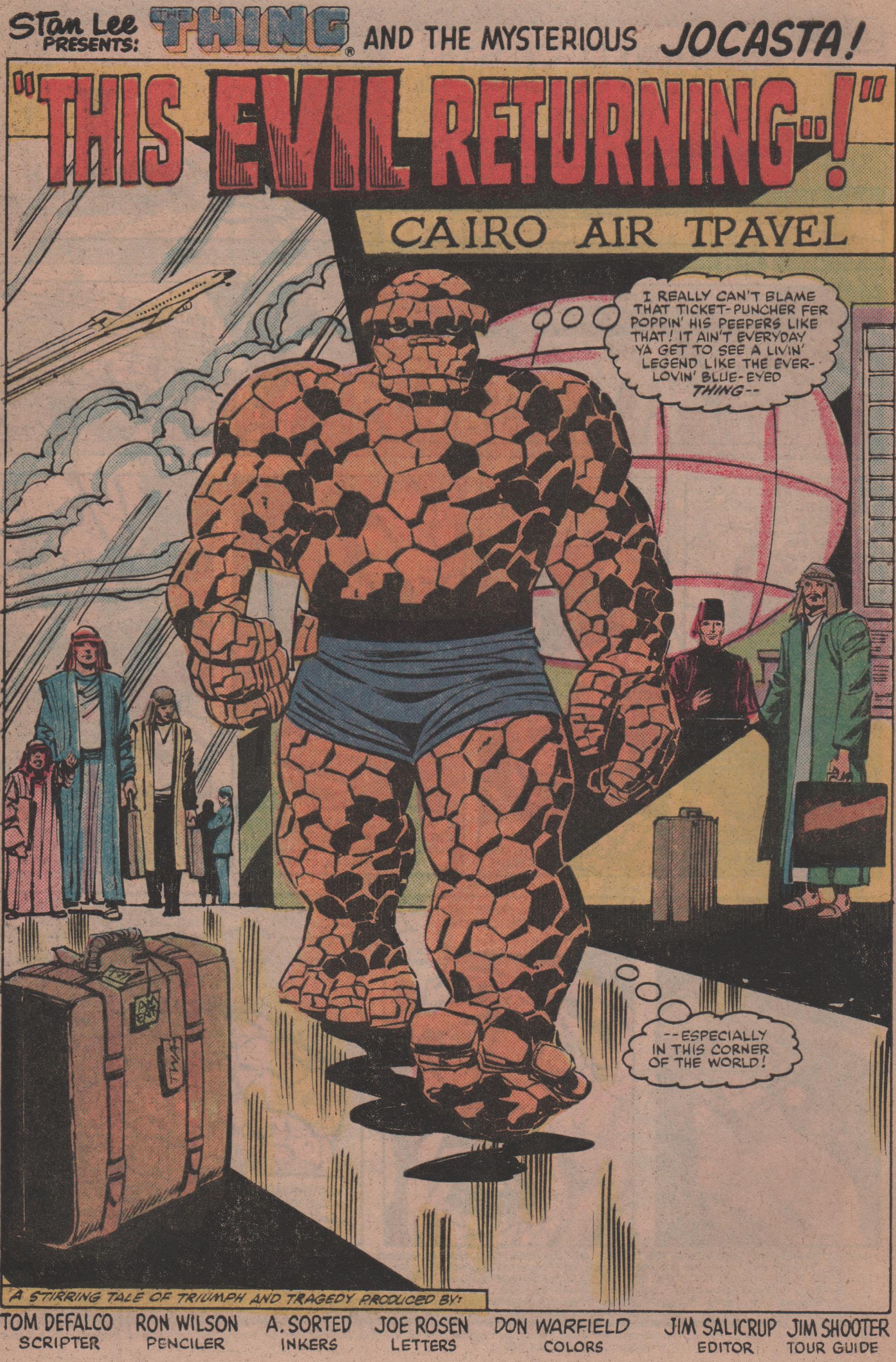
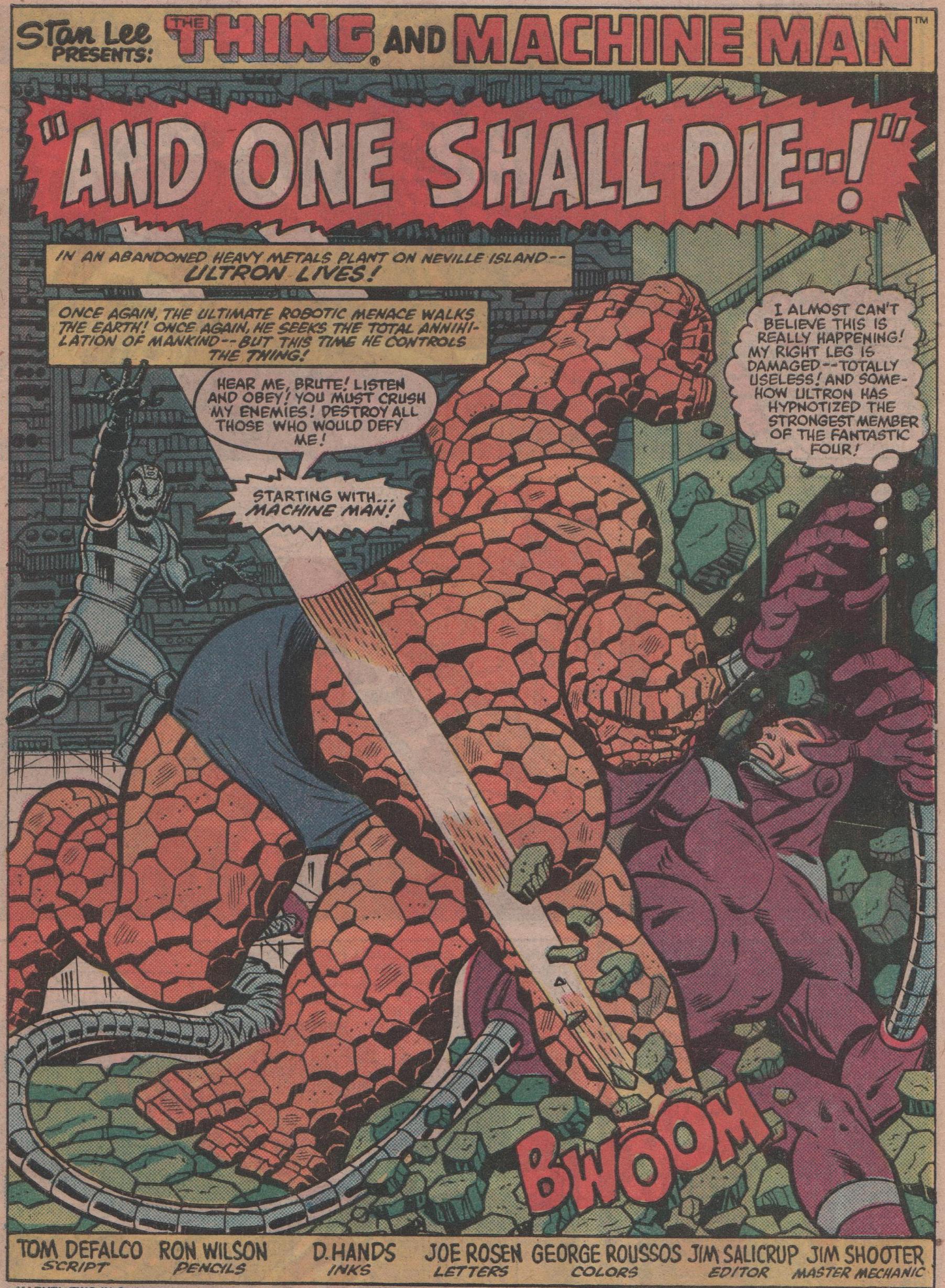
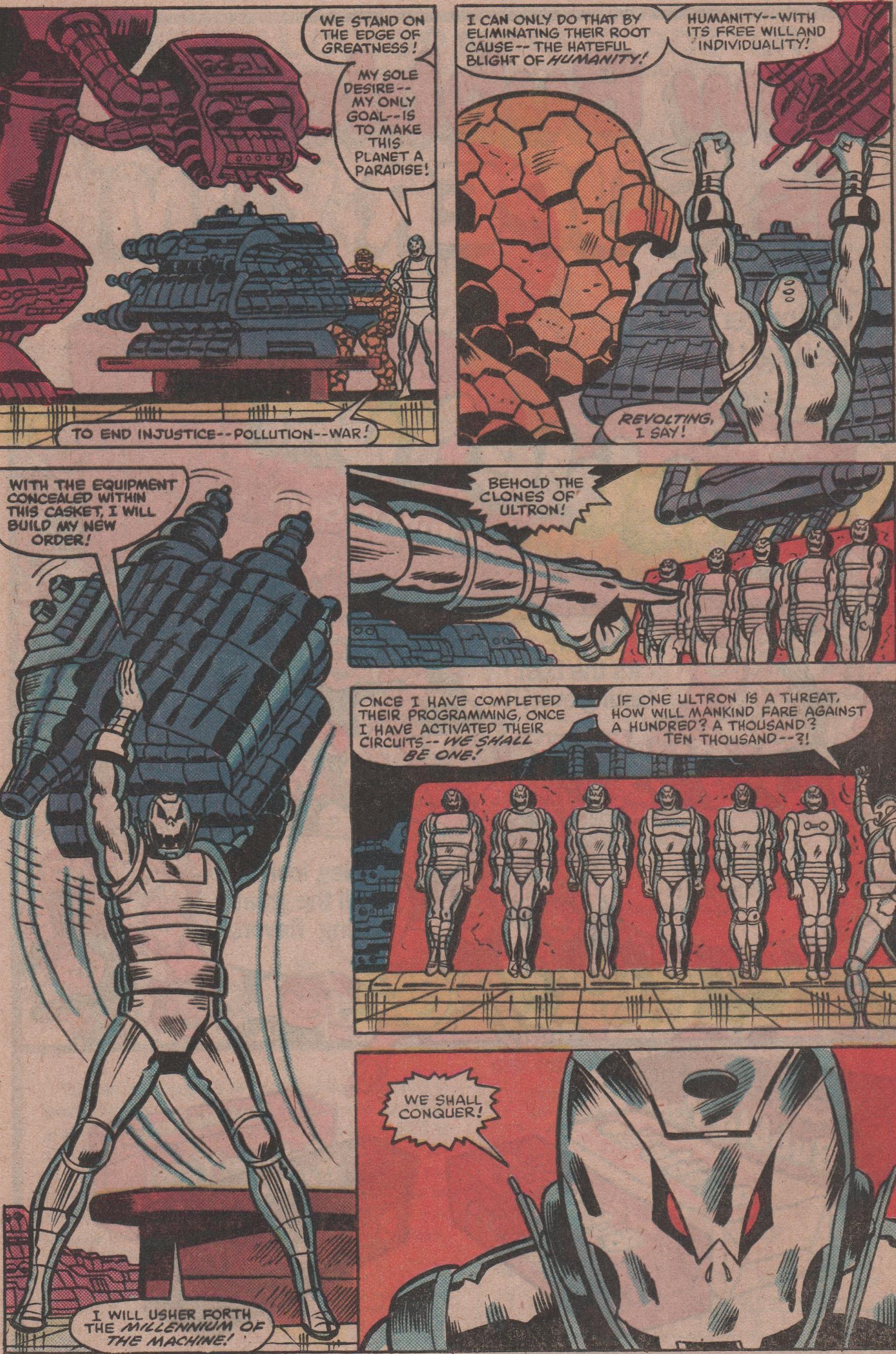
In this double-sized post, I’ll be showcasing a two-part story featuring the Thing, as he takes on the menace of Ultron! The good news is, he wont have to face him alone. The bad news is, that even with Machine Man and Jocasta, he’s still in over his head! The entire series of Marvel Two-in-One was just something to marvel at (no pun intended). The myriad of stories and creators was a melting pot during the Bronze Age for some of Marvel’s best, and most talented creators. Especially when you look at the fact that most don’t get the recognition they deserve. Names like Ron Wilson, Chic Stone, Tom Defalco, David Anthony Kraft, Jo Duffy, Alan Kupperberg, and so on. These professionals gave it their all, and whether you want to admit it or not, were just as big a part of the industry as some of the more recognized names at that time. They kept characters roles expanding, as well as keeping them in-line with continuity and moving forward.

This great two-part story was given to us by Tom Defalco (writer), Ron Wilson (cover and interior pencils), Chic Stone (cover inks) Joe Rosen (letters), Don Warfield and George Roussos (colors), and edited by Jim Salicrup! The inking was done by committee, but at no time did the work suffer for it. Sometimes when you get too many hands in the pot, you have a recipe for disaster, but not here! Some really good character interaction plus great humor as well. Feast your eyes on these two books!


Image (3)

Image (4)

Image (5)

Image (25)

Image (26)

Image (27)

Image (28)

Image (29)

Image (30)

Image (31)

Image (32)

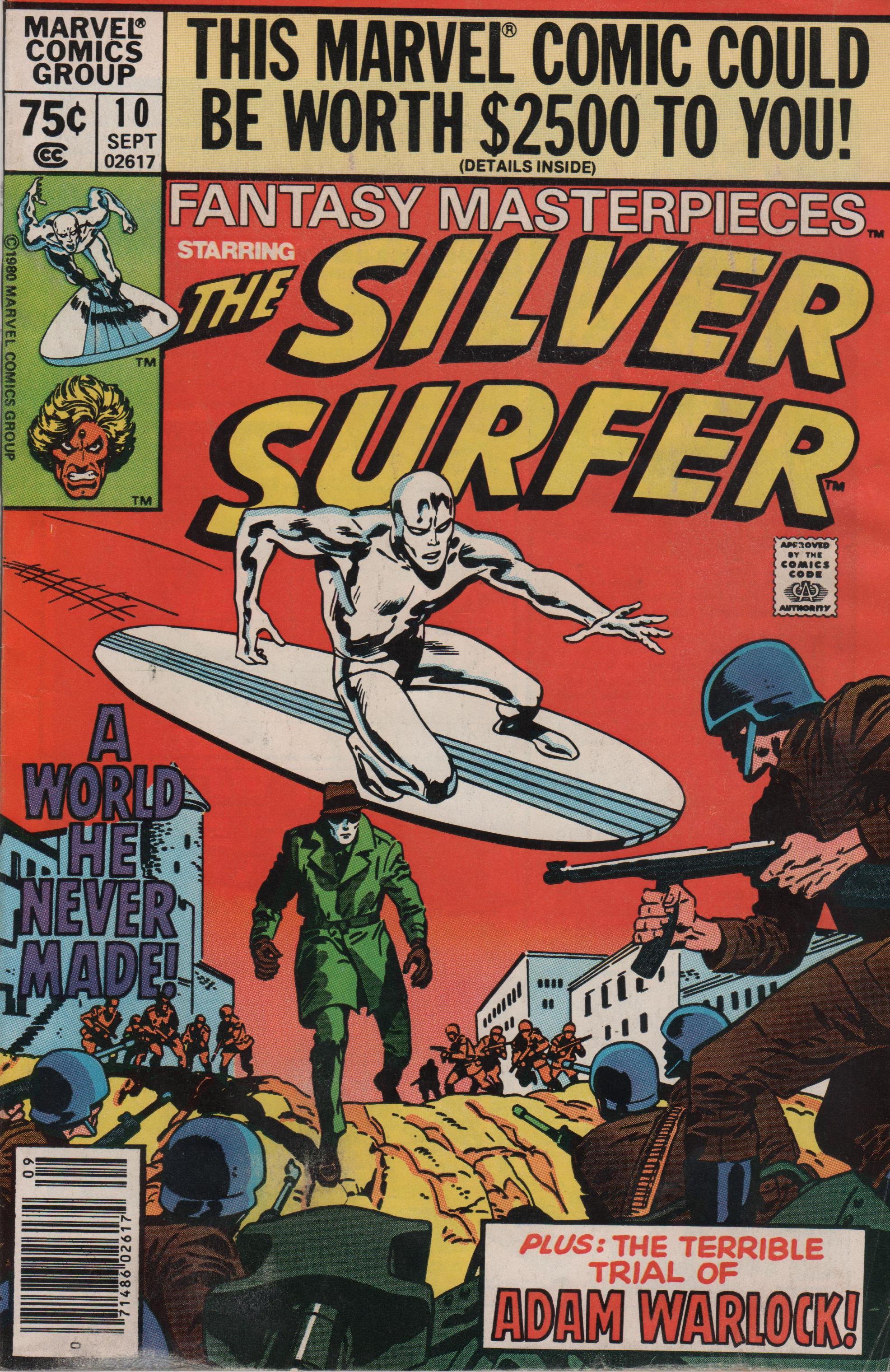
Fantasy Masterpieces #10, 1980 “A World He Never Made”

This issue is my first grab of this title, and I can’t wait to get my hands on more of them! When you see the wondrous world that ‘Big’ John Buscema creates just in the first couple of pages, you’ll be awestruck. He can really make you believe that you’ve exited your body, and entered another world. His uncanny ability to capture characters, especially when they’re in an emotional distress, coupled with his great use of anatomy, is what made him so very special.

In this story, the Surfer is trying to further understand the human race, and that’s something that has proved most difficult for him since his former master, Galactus, banished him to Earth. After witnessing a cop trying to help a suicide attempt on a bridge, the Surfer dresses up like Dick Tracy to “blend in’, and assess mankind down among the people! He hangs out in South America for a while, but realizes that a militaristic group has taken control of the area, and will kill anything they deem untrustworthy. In a subplot, out in space (but nearing Earth), the beloved of the Silver Surfer, the beautiful Shalla Bal, is a passenger aboard the ship of Yarro Gort, and he means to embarrass the Surfer, and take Shalla Bal for his own!

A good story with powerful art! Buscema was such a master at anatomy, and facial expressions specifically. He really knew how to get everything out of a character in pain, or that was suffering. The back-up story is one I own in a couple of different formats, but it’s still very cool. Jim  Starlin gives us “The Terrible Trial of Adam Warlock” (Strange Tales #180, 1975), and the whole cast is here for the ride! Pip the Troll, Gamora, and the Universal Church of Truth! Other creators include – Dan Adkins (inker – SS story), Sam Rosen (letters – SS story), Stan Lee (writer – SS story), Tom Orzechowski (letters – Warlock story), Alan Weiss (inker), Len Wein (editor), and Danny Fingeroth (reprint editor)!


Image (232)

Image (233)

Image (235)

Image (236)

Image (237)

Image (238)

Image (239)

Image (241)


Marvel Team-Up #93, 1980 “Rags to Riches”

You can try to contain him, but you cannot even hope to stop the Tatterdemalion! Sorry for giving away the villain…as if the cover already didn’t! There were many goofy or one-off villains from the Silver and Bronze Ages, but there’s no doubt that one of my favorites is this guy! Created by the artistic genius of Tom Sutton (RIP), and Gerry Conway, this quirky character didn’t make many appearances, but when he did, it was hilarious! You cannot help but laugh, when a character’s profile page has statements like this in it…”He is an expert tap dancer, and a highly proficient bottle-cap collector” or my favorite…”He wears a long scarf, which is tipped with lead weights, as a weapon” or the coup de grâce…”Due to his lack of proper hygiene habits, the Tatterdemalion emits a harsh offensive odor at all times.” Folks, when you have abilities/powers like that, everyone fears you.

The story was written by Steven Grant, and although I don’t own many stories written by him, I do know that he’s a capable writer that also wrote some good Avengers stories back in the 1970’s/80’s. The pencils are by the exceptional Tom Sutton and the late, great Carmine Infantino, and I love Sutton’s pencils on Dr. Strange from the Bronze Age, as well as his inks on many other books. Speaking of inks, the incomparable Jim Mooney (RIP), inked this issue, and you get the consistency he always brought to the game! Colors by Ben Sean, letters by Rick Parker, and edited by Denny O’Neil! The awesome cover is by Don Perlin and Al Milgrom! Spider-Man, Werewolf by Night, “Cat’s Jazz Club”, and the Tatterdemalion…what else could be asked for in a comic book?


Image (175)

Image (176)

Image (177)

Image (178)

Image (179)

Image (180)


Comic Book’s Unsung Heroes: An Interview with – David Michelinie!

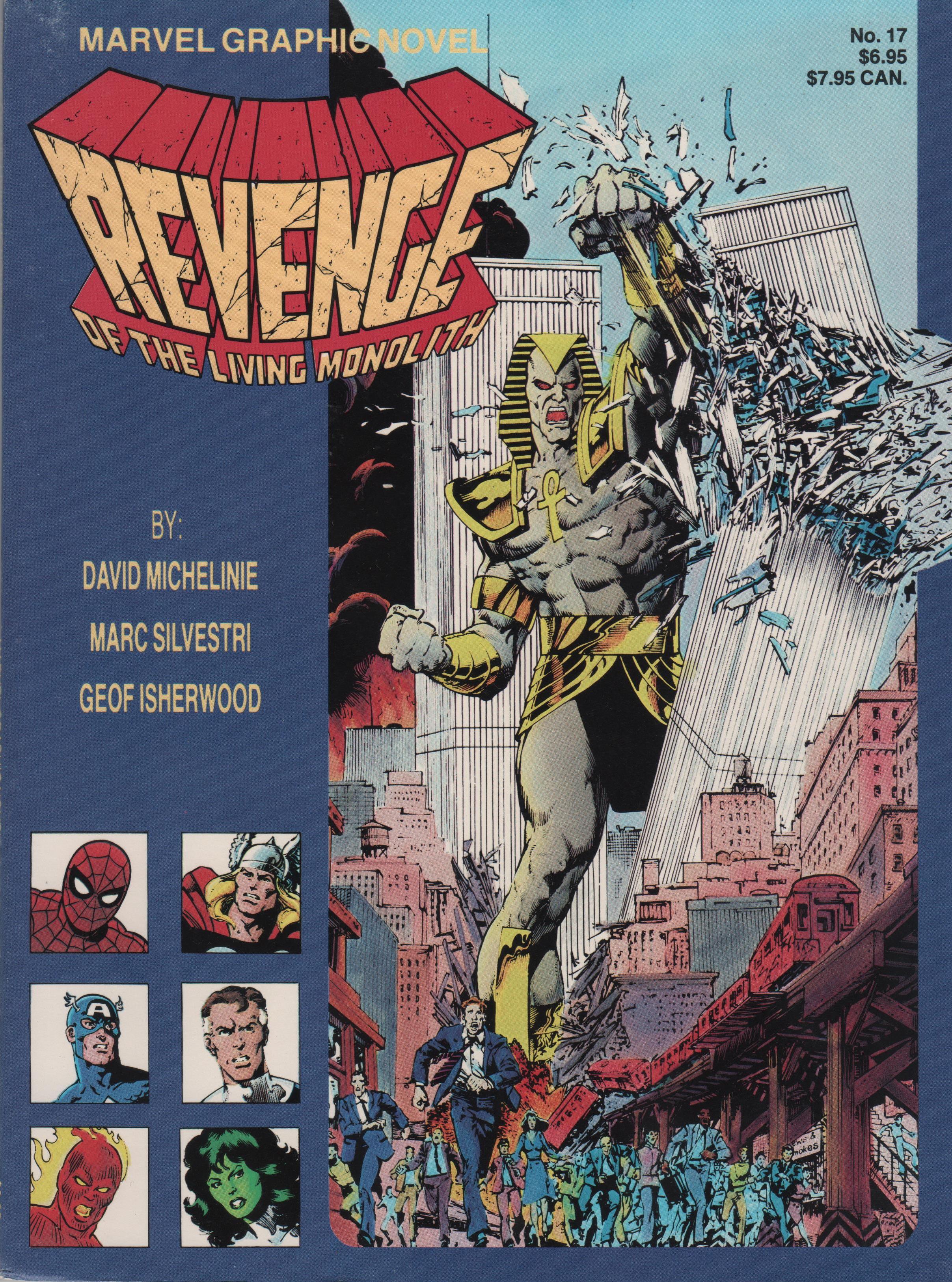
If someone asked you who wrote the Iron Man story “Demon in a Bottle” or the first appearance of Venom in Amazing Spider-Man, would you know? OK, how about the Avengers story “The Yesterday Quest/Nights of Wundagore” or the Marvel Graphic Novel’s “Emperor Doom” and “Revenge of The Living Monolith“? Are you getting the point? Some creators, for one reason or another, get their share of credit or even more than they deserve, and some seem to get very little. David Michelinie is one of those guys that I feel gets nowhere near the credit he deserves. Just look at that list of stories above, and tell me I’m lying.

Michelinie also had a creative hand in the weddings of Superman and Lois Lane and Peter Parker and Mary Jane Watson! So again, I ask, why not give this guy more credit? A quick look at any number of websites shows he has the “street cred”, so let’s stop overlooking a guy that wrote over one hundred Spider-Man stories, Action Comics, Daredevil, Jonah Hex, Swamp Thing, and so on!

I had the awesome opportunity to ask David a few question about his work over the years, and here’s what he had to say!
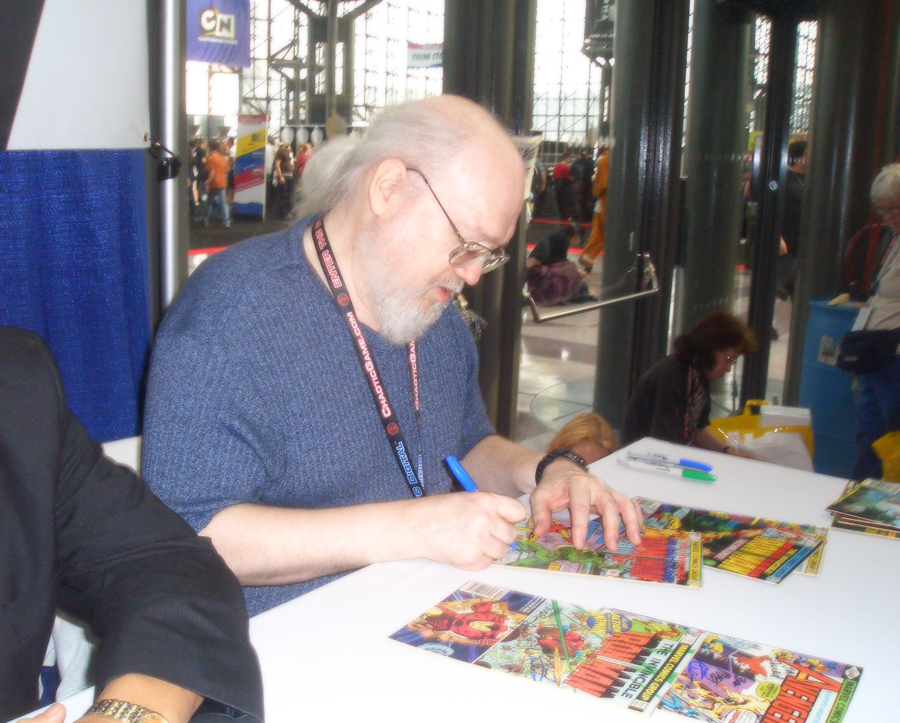
david_michelinie_pic

       Billy: It seems that you really enjoyed developing the brotherly relationship between Wonder Man and the Beast. Was that something you wanted to stress/drive home with the readers?

David: There’s tremendous pressure, peril, and grief, in the life of a superhero. And this was especially true with Simon Williams, who at the time was uncomfortable and insecure in his role as Wonder Man. So I wanted to lighten things up a bit, and teaming him with the upbeat Beast seemed like a good thing for both of them. Everyone needs a friend.

beast24

     Billy: The revelation of Wanda and Pietro’s lineage was a long time coming, no doubt. Did you guys (You, Gruenwald, Shooter, & Grant) script/write the story as if Django Maximoff was going to be revealed as their father or was it a ruse from the get-go?

David: I really don’t remember much regarding how all that came about. I do know that Mark Gruenwald was a big factor in generating that story line, since he knew a lot more about the Avengers’ background and history than I did.

    Billy: The Avengers title was in a bit of a flux when you came on board, as Jim Shooter had  written the book  for a while, but I think he was transitioning to EIC, correct? Was that why the book was kind of bounced around for a spell before you were the regular writer?

David: I think Jim was reluctant to give up the Avengers- he really cared about that book and enjoyed writing it. But the reality of running a major company while trying to be a full-time writer on the side finally got to him. I scripted several issues using Jim’s plots, and I think that convinced him that I would make an acceptable replacement, so I got the job.

    Billy: Transitioning to your Marvel Graphic Novels (#17 & 27); First, in the forward to MGN #17 “Revenge of the Living Monolith”, you credit Jim Owsley (Christopher Priest) for the concept of the story. It’s obvious that the two of you wanted to move that character (the Monolith) away from being just another cookie-cutter villain, and by the books end, most readers probably feel sorry for him, as opposed to thinking he’s the cold-blooded killer type. Do you feel that as a team, you guys hit the mark as fa r as making it believable? And if there’s anything you could go back and change, would you?

David: Anytime I’m assigned to write a character I try to do something new with them, something that shows a different aspect of their personality or perhaps some event in their past that has factored into their development, but of which the reader is not yet aware. And while it’s true that there are some purely evil people in this world (I’ve worked for some of them!), villains seem much more interesting if there’s something in their history that makes them sympathetic. I think what was presented as Ahmet’s (The Living Monolith) background was believable, but the final judges of that would be the readers. Second answer: Since I don’t have a time machine, I rarely think about going back and changing things.

Image (18)

    Billy: The concept of MGN #27 “Emperor Doom” gives us a tale of a time when Doom was more of a manipulator than he is now. Was that something you thought Doom was more about as a character?

David: I loved writing Dr. Doom. He was brilliant, focused, and determined and thoroughly convinced that he was justified in his deeds and viewpoints. If manipulation was what it took to achieve his goal, then manipulation would be his tool. And he was very, very good at it.

Image (21)


Billy: There’s a very powerful scene in this book (still speaking on Emperor Doom), where Doom proves to the Purple Man that his will can resist his powers of persuasion, and that moment solidified Doom as one of Marvel’s greatest characters. Was that something that was part of the initial script or added later ( I guess what I mean is, was that something you always wanted to do with Doom)?

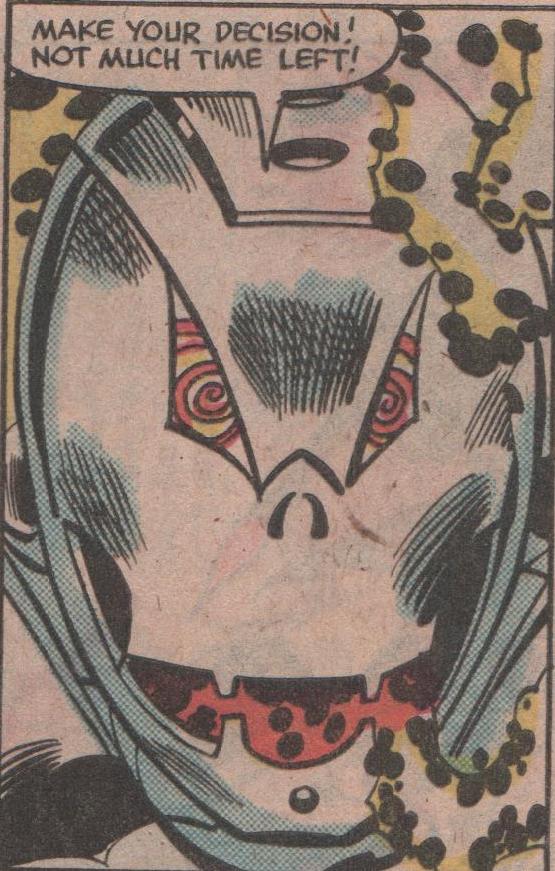
David: I love that scene (image below); very powerful, very character-defining. And it was indeed part of the original plot. And as much as I’d like to take full credit for it, I honestly don’t remember if it was my idea or something suggested by Jim Shooter in our plot conferences.

Image (22)

   Billy: Speaking on both of those graphic novels, were the artistic teams already in place when you signed on, or was it a process?

David: The plots were completed, and then the art teams were determined. And I have to say that Bob Hall, Marc Silvestri, and Geof Isherwood all did wonderful jobs.

   Billy: Moving on to Spider-Man now; Can you talk about the move to that title as the regular writer, and what it meant to you?

David: I assume you’re talking about “Amazing”, yes? Spider-Man was my favorite superhero of all time, so when Jim Owsley picked me to write Web of Spider-Man it was a genuine thrill. Getting to play with ones favorite character is probably every writers dream, but how often does that dream come true? So when I was switched over to Amazing Spider-Man, the original Spidey title and the book that got me back into reading comics when I was in college, it was very sweet icing on an already delicious cake.

    Billy: You took the symbiote from being a vehicle for Spider-Man, and turned it (basically) into his mortal enemy. Was that decision an editorial thing, or a plan concocted by the creative team (You, Mcfarlane, etc.)?

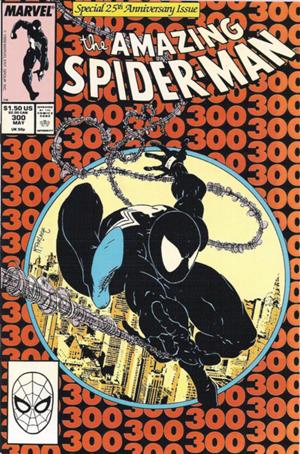
David: It was actually something that I came up with on my own. Whenever I got a chance to write a new (for me) character, I tried to figure out what makes that character unique and then I exploit it. In Peter Parker’s case, his early warning Spider-sense stood out as something unmatched in the Marvel Universe. It has saved his life countless times by warning him of danger before he could be harmed. So I wondered…what would happen if there was a villain that didn’t trigger that Spider-sense? It had already been established, in the Secret Wars story line, that the alien symbiote which had been Spider-Man’s living costume for a while didn’t activate his Spider-sense. And since Spider-Man had cast the symbiote aside, the creature was likely feeling hurt and angry about that rejection. So attaching the symbiote to a host who shared a similar hatred for the wall-crawler seemed like it would make for an interesting-and very dangerous-spider-foe. My initial origin featured a woman as the host, and I started setting the character up in a couple of teaser scenes in Web of Spider-Man, where both Peter Parker and Spider-Man had been thrown into danger by some mysterious entity that didn’t trigger the spider-sense. Then when I was switched over to Amazing Spider-Man, editor Jim Salicrup suggested introducing a new character in issue #300. He liked my symbiote idea but wanted the host to be a man. So since that really didn’t negate what I wanted to explore – I altered the origin for the plot of Amazing Spider-Man #300, and Venom was born.

    Billy: You basically wrote one hundred issues of Spidey, yet most people seem to never give you the credit you deserve. Does that bother you now or did it then? And if so, how can you turn a blind eye to it and just keep pushing forward?

David: I had the honor- or curse – of working with some very popular artists on that book: Todd McFarlane, Erik Larsen, Mark Bagley. And I think that’s what most people remember about those issues. What they don’t often realize is that while sales rose during Todd’s run, they continued to rise with Erik and got even higher with Mark. And I have to believe that part of that was due to the fact that the characters and stories maintained a consistency: people who bought the books to read them got characters that acted and spoke the same way issue after issue, and the stories maintained a certain level of quality that readers could count on every month. People may not think of that in hindsight, and my work may be less remembered than the art, but those are stories I was very happy with, and I’m proud to have my name on them.

ASM300

    Billy: In issue #298, Todd McFarlane was brought in to pencil on Spidey. Was he someone you knew previously and asked for or did he lobby for the assignment?

David: I had seen some of Todd’s work for DC, but I didn’t know him or anything about him. The editor suggested Todd, I said OK, and magic happened.

    Billy: Can you talk for a bit about working with editor Jim Salicrup? I’ve heard he is one of the nicest guys around the biz.

David: My definition of a good editor is one who pays attention but keeps a loose rein, one who doesn’t try to put his/her own personal stamp on everything that crosses their desk. And Jim was like that. I would give him a synopsis of what I wanted to do over the next 3-4 issues, he’d read it and make suggestions and requests, then he’d pretty much leave me alone to write the plots and scripts. I like to think that was because he trusted me as a writer. But what whatever the reason, it gave me a great deal of freedom and that allowed me to retain my enthusiasm and, I believe, made my work better.

    Billy: With McFarlane’s departure in issue #324, Erik Larsen was brought in for the pencils. It was a seamless move from an artistic standpoint, but was it from a collaborative angle?

David: Not really. Erik hates me and my work, though I have absolutely no idea why. When Jim Salicrup suggested Erik and showed me some of his work, I thought it was a bit cartoony but was distinctive, and a distinctive look was something our readers had become accustomed to with Todd. So I said OK. Then during our run together, Erik wrote a letter to Wizard Magazine in which he called me a “clown” and called my work “stupid”. I later heard from more than one person that he was going around at conventions saying that Marvel didn’t have any good writers – when at the time the only Marvel writer he was working with was me. Like I said, I haven’t a clue as to why Erik has this seething dislike for me, but even if I felt the same way about him or his work I’d never say so in print or in public. But perhaps my idea of professional behavior has become outdated.

     Billy: You had a hand in the two biggest weddings in comic book history (Spider-Man & Superman). Can you talk about what that was like?

David: When asked to write the Spider-Man wedding, I didn’t want to do the usual super-villains-crash-the-ceremony-and-fight-the-super-hero-guests bit. So I came up with a different angle that focused more on the human side of the situation, that dealt with Peter Parker’s worries and self-doubts about whether he was doing the right thing: if he was going to be putting Mary Jane in danger, if he could still be a good husband while running off to fight bad guys all the time, etc. Jim Shooter read it, said he understood what I was trying to do but that this was going to be read by a lot of people who didn’t normally read comics, and he thought Marvel needed a simpler, more standard story that “civilians” could relate to. So I turned the plotting over to him and just scripted over his story. Many years later Jim was quoted in an interview as saying that my original plot was “inappropriate” and “lame”, a quite different-and much harsher-assessment than he’d used when talking to me personally. It was very disappointing, since in the past Jim had been someone who took the high road, who treated individuals with courtesy and respect. But I guess people change. As for the Superman wedding, I was delighted to be a part of it in a small way. I was actually given some pages of a story Curt Swan had drawn many years previously for a story that was never published. I modified that story to fit the wedding continuity and wrote dialogue to match. I’d loved Curt’s Superman stories when I was a kid, and it was a genuine honor to script over his artwork, even if it was a posthumous collaboration.

Spideywedding

Superman_The_Wedding_Album

    Billy: To wrap up, can you give some insight on your early years at DC writing horror stories?

David: In 1973 DC started something they called an apprenticeship program, where they’d hire would-be writers or artists to work at the DC offices while they learned their trade. It didn’t go far (I think the only person they actually hired through that program was Martin Pasko), but I sent in a sample script that, for some reason, ended up on editor Joe Orlando’s slush pile (unsolicited manuscripts). Joe’s assistant at the time, writer Michael Fleisher, read the script and sent me a note saying that I showed promise but they couldn’t work with anyone outside of the immediate New York City area. Two weeks later I had closed out my commercial writing obligations in Kentucky and had moved to New York, where I knocked on DC’s door and said “well, here I am!” I think Joe and Michael were a bit stunned, but they pretty much had to give me a chance. I worked with Michael on my first four scripts for “House of Mystery” and its kindred. Michael was not a subtle critic and actually called some of my work ” a piece of crap” while I sat on the other side of his desk. Severe, yes, but very motivating. Through massive rewriting, and by heeding Michael’s editorial advice, I was ready to work directly with Joe when Michael left his staff position to write the Little Orphan Annie newspaper strip. Michael and I ended up being good friends for many years, and I credit his uncompromising criticism with my eventual ability to write professional comic book stories.

I’d like to thank David for agreeing to be interviewed and for being very candid. Definitely take a look at the body of work that this man has put forth. I think you’ll have a new (or hopefully renewed) appreciation for his contributions to the industry! Once again, thank you David!

Be on the look out for more interviews with other creators from the best comic books in the history of the medium in the near future!

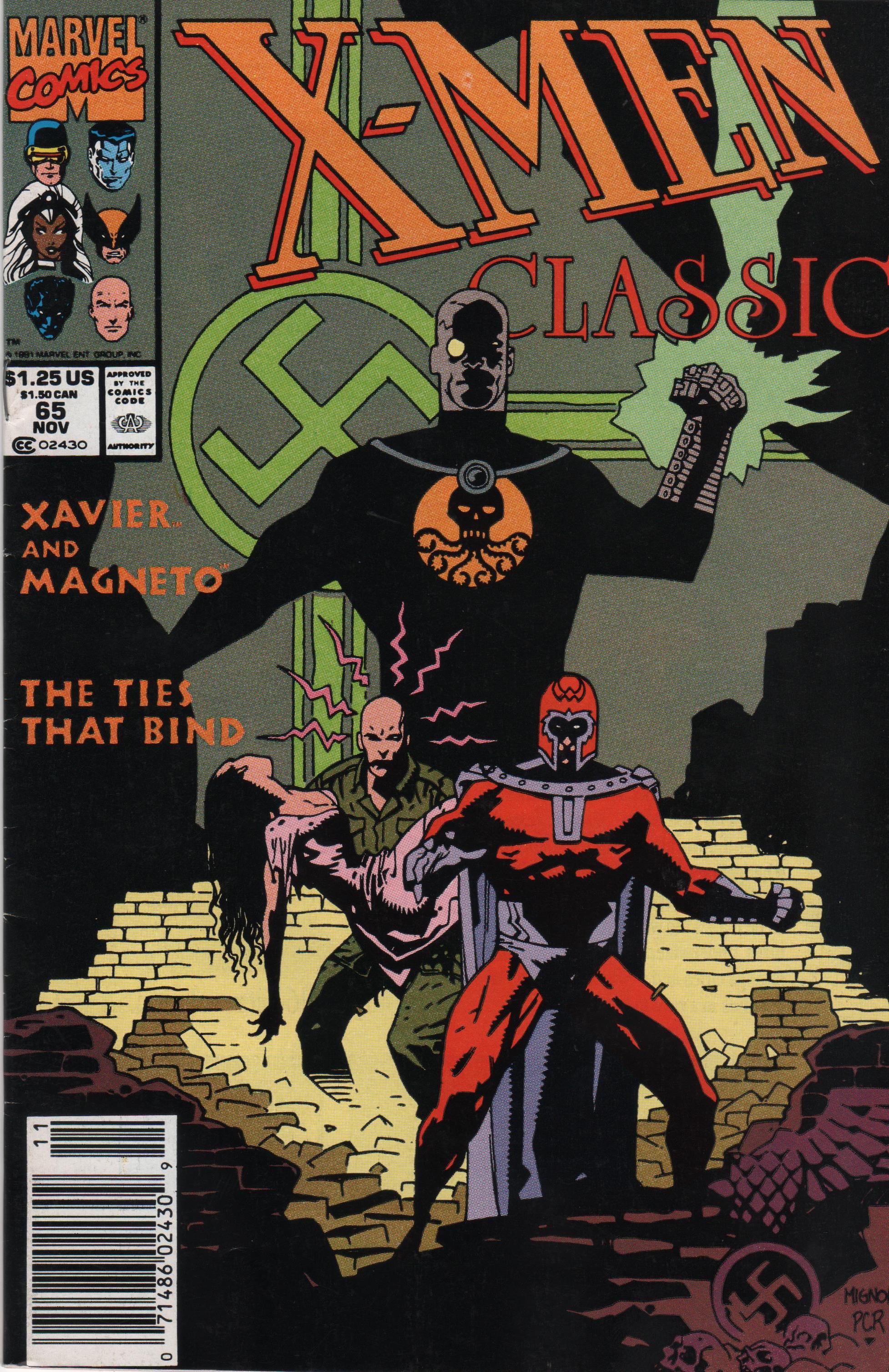
X-Men Classic #65 (Uncanny X-Men #161, 1982)

I just started to grab some of these X-Men reprints, and wow, are they something! I love the X-Men, and wanted to find a way to get my hands on some of their older material without breaking the bank, and this title was just the way to go. Typically, with reprint titles, Marvel stays pretty close on the cover artwork to the original work. For some reason they really went in the opposite direction with some of these books. Not that I’m complaining mind you, because I’m a big fan of the work of Mike Mignola and P. Craig Russell. He really stands out with his style, but also “gets it”, when it comes to being faithful to the source material. Check out the awesome work by Chris Claremont, Dave Cockrum, Bob Wiacek, Tom Orzechowski, Glynis Wein (Oliver), and Louise Jones (Simonson)!

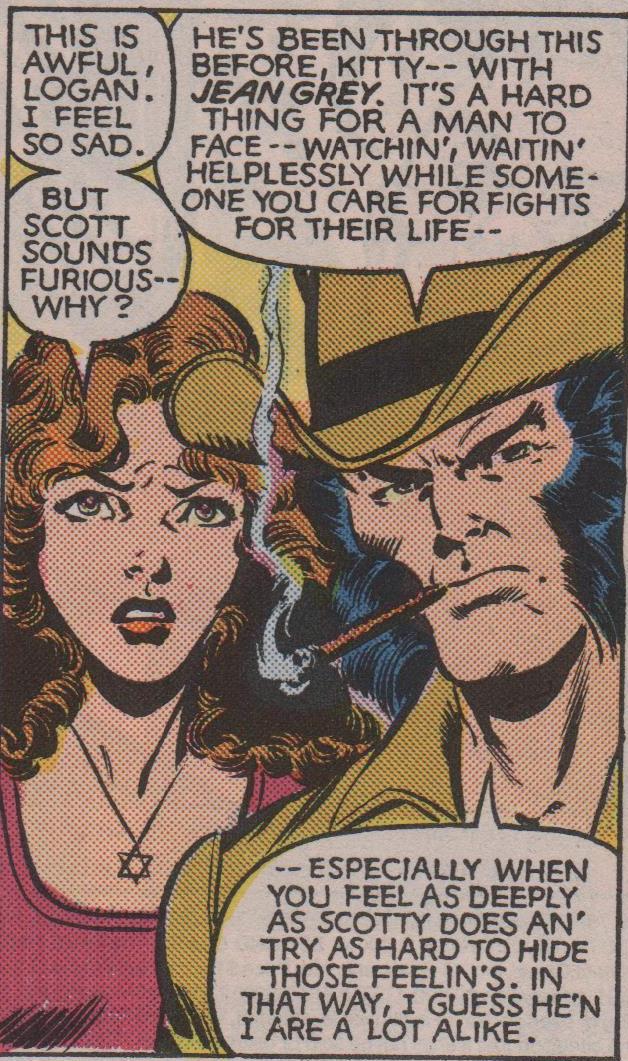
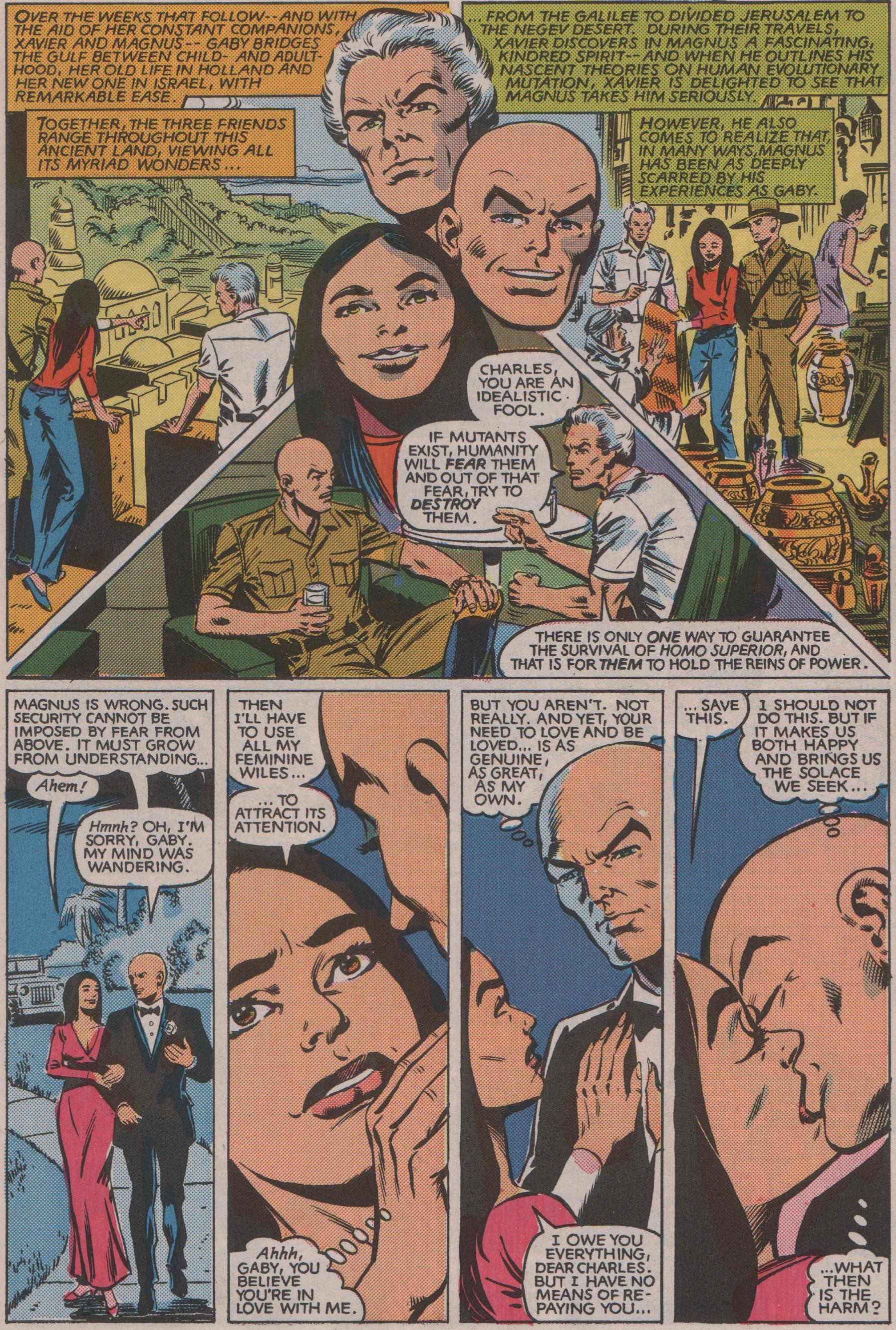
In this issue we see the first meeting (via flashback) between Xavier and Magneto from way back in the day! Also, we see the Brood, Gabrielle Haller, Cyclops and Storm having a power struggle, albeit a brief one, and then a battle with Xavier and Magneto on one side, and Baron Strucker and Hydra on the other!


Image (68)

Image (71)

Image (72)

Image (73)

Image (74)

Image (75)

Image (76)

Cinema Sunday: Silver Bullet (1985)

stephenkingssilverbulletcover

Title: Silver Bullet

Distributor: Paramount Pictures

Writer: Stephen King

Director: Daniel Attias

Producer: Dino De Laurentiis

Starring: Gary Busey, Corey Haim, Megan Follows, Everett McGill

Released: October 11th, 1985

MPAA: R


An alcoholic Gary Busey, a pretentious Corey Haim, and a bloodthirsty werewolf…need I say more? Of course not, but I will anyway, when I present this classic film from the 1980’s, Silver Bullet! Back in the day, this film was scary, and had two big names to get people out to see it. It might not hold up as well now, but it’s still worth checking out and in my humble opinion, owning as well. Let’s get down to the plot!

The film opens with a drunken railroad worker, trying to finish a job one night. As he makes his way to the tracks that need clearing, a noise startles him, and before you know it, he’s beheaded by a beast. A howl is heard throughout the town, and everyone gets an icy chill up their spine.

Silverbullet1

As we turn to the main character, Marty (Corey Haim- who’s playing a paraplegic), we see him and his friend, Brady (Joe Wright), as they concoct a plan to scare Marty’s sister, Jane (Megan Follows). They not only scare her, but the fright causes her to fall into a huge puddle, and ruins her new dress and pantyhose. Later on that night, Marty apologizes, and gives her the money for a new pair of stockings, that were also ruined. It’s here, that we see the typical relationship of siblings at this age, and it really cements the bond they share. That night, a local woman, who’s contemplating suicide, gets a visit from the same beast that killed the railroad worker. The beast violently kills the woman, and the sheriff, Joe Haller (Terry O’Quinn) has another death on his hands.

Silverbullet2

Later, school is over for the summer, and Marty’s Uncle Red (Gary Busey), has come for a visit. Marty’s mom isn’t too happy with him, as he’s a bit of a drinker, and getting his third divorce. He and Marty share a bond though, and Uncle Red then has an argument with Marty’s mom about his drinking around Marty. That night, a neighbor ( a few miles away) is getting drunk, but hears some noise out in his greenhouse. The man thinks it’s kids busting up his property, so he goes out there to teach them a lesson. The lesson is taught to him though, and he gets ripped apart. With another murder, the townspeople begin to panic, and things are getting tense.

Silverbullet3

Marty and his friend Brady decide to go to the park and fly kites. The day grows old, and Jane is sent out by her parents to find Marty. He and Jane then make a quick exit for home, and asks Brady if he’s coming too. Brady tells him he’s staying for a while, and Marty can sense something is wrong. He leaves his best friend there, and it will be the last time we see him alive. At the local bar, Andy Fairton (Bill Smitrovich), a local business owner and exuberant gun owner, tells the crowd that the local sheriff isn’t getting the job done, and that they should take matters into their own hands. Just as he and the Deputy are about to get into a fist fight, Brady’s father walks in, and asks if anyone has seen his son.

At Brady’s funeral, Marty is having a tough time dealing with all of this craziness. Reverend Lowe (Everett McGill), tries his best to calm down the townspeople, but it’s having little effect. Back at the bar, Fairton is riling up the crowd again, and this time, they intend on going after the “guy”, who’s doing all the killing. Reverend Lowe attempts to stop them, but they drive right past him.

Silverbullet5

The vigilantes split into groups, and start combing the area. In a thick patch of forest, it’s very foggy. So much so, that you can barely see in front of your own face. As they creep through the wooded area, they begin to hear some animal-like noises. The mood turns to pure fear, and the beast grabs its first victim, ripping half of his face off! Two more men meet their maker this night, and that about wraps up the vigilante idea. We then see Reverend Lowe, once again telling the people  all will be OK, but something different happens. Suddenly, the congregation begins to turn into werewolves, and then Lowe wakes up from a nightmare.

As the Fourth of July approaches, Marty is mad that the local fireworks have been cancelled, and the carnival as well. Uncle Red won’t let Marty down though, so buys some illegal fireworks, and gives them to Marty on his way out-of-town. Later that evening, Marty climbs down the lattice, and into his motorized wheelchair. He heads over to a pond nearby, and begins setting off the fireworks from Uncle Red. Some motion in the wooded area nearby spooks Marty for a second, and the next thing you know, the beast jumps out from the woods, and makes a mad dash for Marty! Marty quickly grabs a bottle rocket, lights it, and aims it at the beasts head. It fires off, and hits the creature in the right eye, stunning it long enough for Marty to get out of there, and back home.

Marty immediately calls Uncle Red, but he’s still half drunk, and sleeping, so he blows him off. Marty tells Jane the next day, because he realizes that no adults will believe his story. Jane then combs the town looking for a person missing their right eye. She’s collecting recyclable items for a charitable organization, and hits up everyone she can, all the while searching for this person missing an eye. She ends up seeing nothing out of the ordinary, and then takes her cart of bottles and cans to Reverend Lowe’s parsonage.

Silverbullet4

I’m going to stop here for those who haven’t seen this film yet, but rest assured that the secret will be over at this point about who the killer is. The part that keeps you in suspense for the rest of the movie is the fact that you know at some point, the killer is coming for Marty!


OK, here are my thoughts:

As I said above, this film is still pretty cool after all these years, and only the werewolf scenes (up close) seem cheesy now. Gary Busey gets a lot of flack, but he was right on the  money in this film. Corey Haim did a good job as well, and really was convincing playing a paraplegic. I can’t imagine how tough that would be literally and from an acting standpoint either.

The music score was quite good too, as well as the cinematography. There were a couple of darker scenes that could’ve used more lighting,  but that’s more of a nit-pick than anything. These more old school horror flicks do something newer films don’t understand. When it comes to death scenes, the phrase “less is more’ is absolutely true. Most viewers imaginations can cook up something just as visceral if not more than what’s usually shown, and even if it cannot, sometimes people get turned off by some of the explicit scenes too.

Overall, I still give this film pretty high marks even almost thirty years later. The performances and the scenes with the creepy build-up to the werewolf appearances are still solid. It helps when the film has Stephen King attached to it as well. You see, he wrote the novella “Cycle of the werewolf”, and King also wrote the screenplay. The dude knows how to make a scary movie! Definitely add this one to your collection, or at bare minimum rent or stream it some night and enjoy!

Click here for the trailer!


Comic Book Legends: An Interview with – Steve Englehart!

I think it’s safe to say, that in the 1970’s, you’d be hard-pressed to find a more diverse, determined, and dominant writer. From The Avengers, to Batman, and Captain America, Steve Englehart wrote stories that were interesting, thought-provoking, humorous, and socially significant. Among these treasures was his work on Dr. Strange.

Along with collaborator Frank Brunner (and later artwork by Gene ‘the Dean’ Colan and others), Steve spun a web involving just about every major villain the Doc had up until that point in the characters history. He also molded Clea, (apprentice/ lover of the Doc) to be more important, and not just a wallflower. The original run began in the pages of Marvel Premiere, and continued on in the Doc’s solo series. I spotlighted that run not too long ago (click here for that one), showing the mind-blowing artwork of Frank Brunner.

Alright, now that the pleasantries are done with, let’s get on with the interview!

AE49 Trial Cover.qxd

Billy: Did you read and/or draw any motivation from the Lee & Ditko work for your Doc Strange run?

Steve: Very definitely. Ditko’s Doc was legendary, and everyone thereafter tried to emulate him to some degree. Ditko’s Spidey got completely overwhelmed when Romita took it over, because Johnny was much better at the people and world that Spidey inhabited – but Ditko’s Doc remained a touchstone of “Strangeness” for everyone who followed on that strip. I had read all of it, just as I’d read all of Marvel, being a fan. I took my own approach to what I did with it, of course, but Ditko’s Doc was always the one I was fleshing out.


Billy: What was the impetus for your Dr. Strange stories? And did you approach editorial with the ideas or did they ask you (what was the process)?

Steve: Frank (Brunner) was taking over the strip full-time and did the then-unusual thing of asking for a specific writer. We knew each other only casually, socially, but he liked what I’d done on other books, so he asked that I be assigned. I had written Doc in DEFENDERS, but figured I’d need to get more mystical for his own book, so I started reading up on magick, which turned out to be interesting on its own, and my reading increasingly shaped my understanding of a sorcerer supreme. I could do this because editorial left each writer to do his job and figure out how to approach it on his own.


Billy: How tough is it juggling multiple titles on a monthly basis?

Steve: I enjoyed it. I loved all the characters, I loved working with artists…there was no real downside to it. I could do a book a week so I did four books a month, and there was always something new going on. Fun!


Billy: Did you guys use the “Marvel Method” or fully flesh out scripts together?

Steve: We did them together. Every two months we’d have dinner at his place or mine, and then talk late into the night putting the issue together. I always had concepts I wanted to explore and he had concepts he wanted to draw, and we’d make something that was more than the sum of those parts, until I, as the writer, was satisfied we had a solid issue. That was the most collaborative of any relationship I ever had with an artist.


Billy: Was killing the Ancient One something you felt fit the story (did it feel organic) or was it something you wanted to do from the get-go?

Steve: That evolved in our first late-night session. I thought Doc had been a disciple for quite a while now – and we’d inherited Shuma-Gorath and knew we had to resolve that at some point, preferably ASAP – and by the time we were done, it all came together (image below- the death of the Ancient One- Marvel Premiere #10, 1973).

Image (36)


Billy: Can you speak about the whole atmosphere/work environment at Marvel at the time (other creators you enjoyed working with, etc. in the 1970’s)?

Steve: It was just a time of complete freedom. Everyone working there was assumed to be competent to handle his own titles and was not held back in any way. If you proved yourself _unable_ to handle your titles, they became someone else’s titles, but there was no micromanaging from editorial. Thus, if you _could_ handle your titles, you could be, and were encouraged to be, as creative as possible. And this was all taking place with everyone living in the New York metro area, so pretty much everyone else in comics, at every company, was someone you knew personally. When I moved to New York, as you had to do in those days, I felt from day one like I had three hundred new friends to work and party with. Both of which we did.


Billy: When did you and Frank find out about Dr. Strange becoming an ongoing or was that known from the beginning?

Steve: The book took off with us on it, and we knew what that would lead to, but we didn’t know when. The problem, as it turned out, was that Frank couldn’t do more than a bimonthly book, so when it became an ongoing series that was monthly, he struggled and then dropped off.


Billy: You inserted many of the best villains from Dr. Strange’s rogues gallery into your stories (Shuma Gorath, Mordo, Silver Dagger, Dormammu, etc.), what was the process like for combing thru them to choose which one you’d use?

Steve: I’d always think of character concepts, then go looking for a villain to cause the story I wanted to do. With Doc, Frank and I started, and then I continued, the idea of several-issue arcs exploring a particular concept, so then it was just a question of looking back through my collection. I took every character as real within the Marvel Universe, so I knew them personally you might say, and when I wanted somebody to a certain thing, I could usually go straight to him.


Billy: I’ve read that Frank’s (Brunner) style really wasn’t conducive to the rigors of a monthly title. Is that the reason he left the book?

Steve: Yes. Even on the books he did do, you’ll occasionally see a page or two by another artist. Art was not a slap-dash thing for him.


Billy: Obviously, transitioning to a legendary artist like Gene Colan, who had previously worked on Dr. Strange, wasn’t too bad of a draw, but was it intimidating at all?

Steve: Not really, because I knew Gene’s approach intimately, from having been a fan and then having worked in the same environment. Nobody intimidated me by then; I just saw the possibilities his more photographic approach would open up, after the more designy work by Frank. I consider them equally great at what they did, and Frank’s Doc is legitimately legendary in its own right, but Gene offered new worlds to explore. (And Gene didn’t want to be involved in the stories, so I was also taking that on completely – and that was fun, too.)


Billy: Gene is my favorite artist of all time, but I never got the chance to speak with him. Could you talk about him not only from a professional stand point, but also the man himself?

Steve: As a pro, he drew what you asked him to draw, exceptionally well, without any complaint – what a writer hopes for, and usually gets from pro artists, but not always. There was nothing that stood out in the work process, which is a good thing. (The only caveat was, he wasn’t great at pacing his stories, so writers generally broke their plots down page by page for him – a minor flaw, easily corrected.) As a person, he was just a sweet guy. He knew he was good but he never acted like it, and in fact, he told me that after many years of freelancing, he never assumed that he’d get another job once he turned the current one in.


Billy: Lastly, could you speak about having Roy Thomas as an editor, and what he brought to the table?

Steve: Roy brought the gift of freedom. It was his decision to let us be as creative as possible, without his interference, and I’m forever thankful for that.

Well, that’s it for today, but before I go, I want to send out a huge thank you to Steve for doing the interview, and allowing this fan to ask one of his favorite creators of all time some questions! Below is a link to Steve’s webpage, so click and take a look!

DC Comics – Batman #442 (1989)

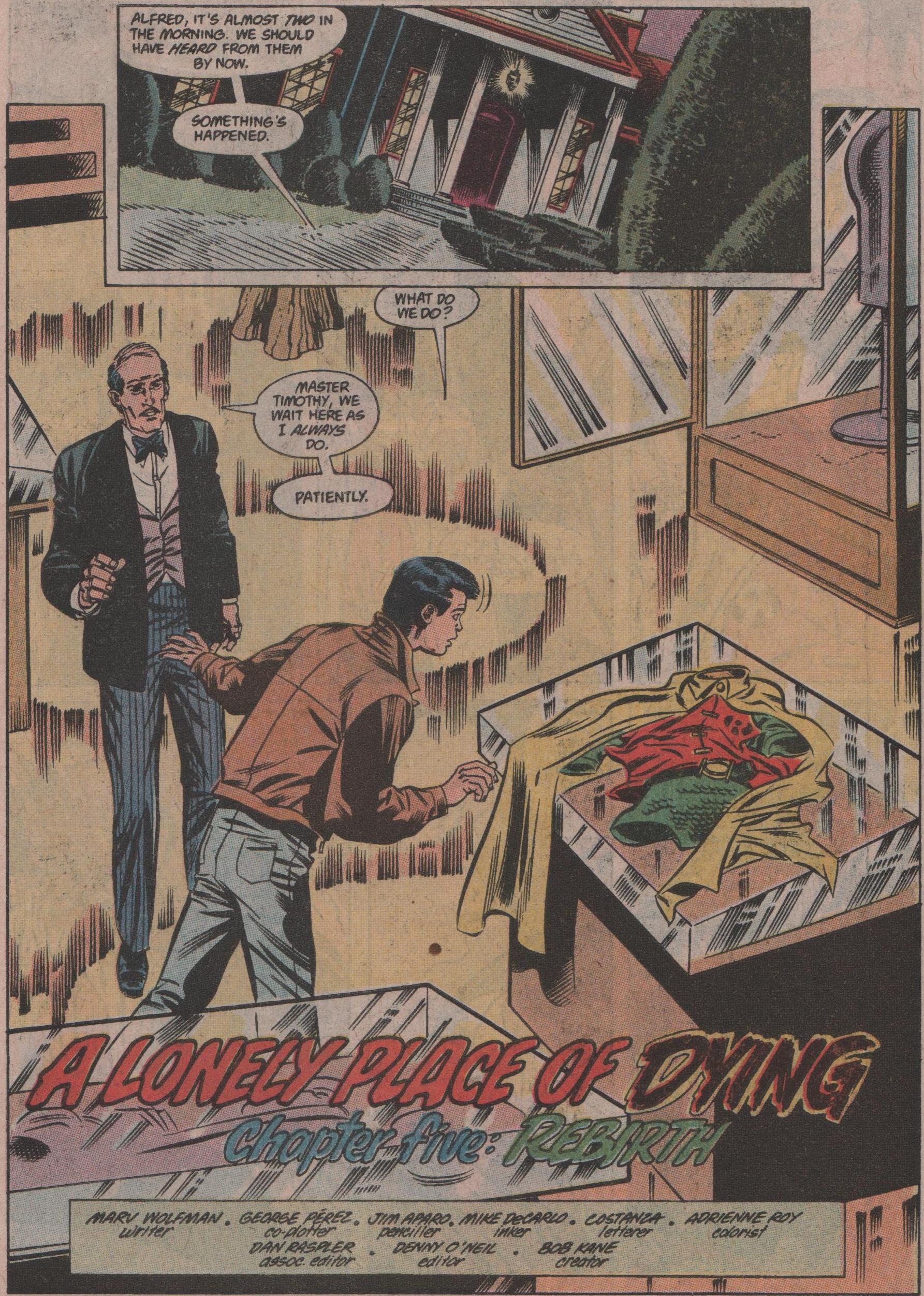
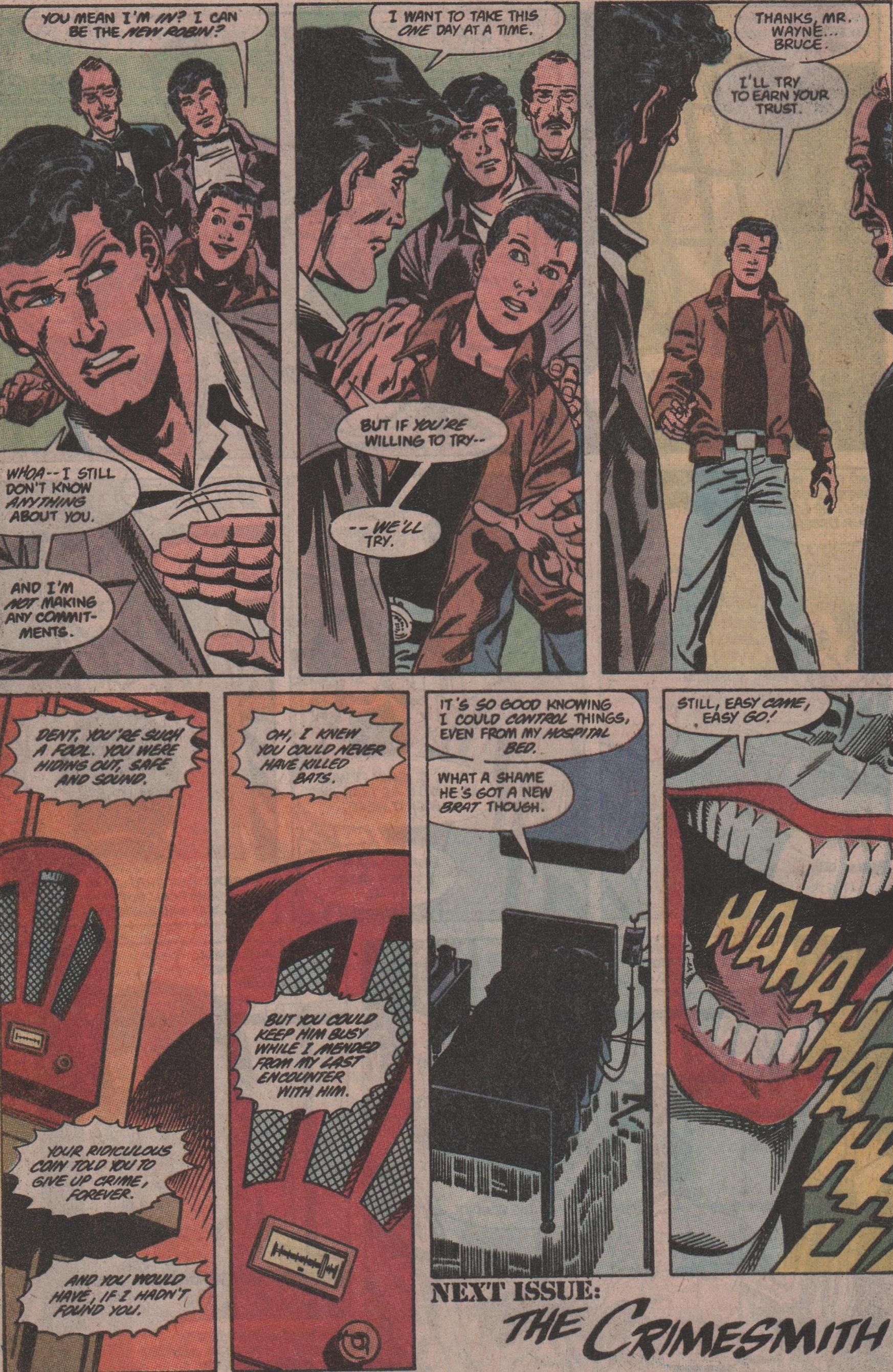
You know, I seldom buy a comic book that I don’t intend to eventually collect the entire series. First off, I’m a completest, and secondly, in the grand scheme of things, what’s the point if you don’t intend on reading the entire story? Well, recently I bought Batman #442, which falls into that category, and there were a couple of reasons, but mostly because of the George Perez cover. Yes, it’s the first appearance of Tim Drake as Robin, as well, and actually seems to be a good story too.

Plotters, Marv Wolfman and George Perez, pencils by Jim Aparo (one of the best Batman artists of all time in my humble opinion), inker, Mike DeCarlo, letter, John Costanza, and colorist Adrienne Roy (editor Denny O’Neil), bring this great story with the villain, Two-Face! Tim makes the decision to don the mantle of Robin, as he attempts to save Batman and Nightwing from certain death! Enjoy!


Image (24)

Image (25)

Image (26)

Image (27)

Image (28)

Image (29)