Supernatural Thrillers Featuring The Living Mummy!

As I sit here watching The Mummy’s Shroud (1967, Hammer Studios), The Living Mummy (N’Kantu) seemed like a good subject to present during my month-long look at horror comics. As the title Supernatural Thrillers switched from new characters every in issue to an ongoing monster of its own in the mummy.

In the first few issues, we see N’Kantu being disoriented, then fighting thieves and hoodlums. Later though, he would be pitted up against other supernatural beings, and that was a spectacle. It’s a natural progression of course, and sufficed to say it gave the readers some good entertainment. These “Elementals” (Hydron, Magnum, Hellfire) showed some real persistence and continually attacked N’Kantu and his friends (once the mummy became more lucid, he became a hero).

From a standpoint of creativity, these books had some of Marvel’s best talents during this era at the helm (and I’ll list them all below). You had some that had been around for a few years and some that were early in their careers (especially with Marvel). This mix led to so much excellent content not only in horror stories but every genre. It’s also worth to note that N’Kantu is the second supernatural character of color in Marvel (he predates Brother Voodoo by a month, but Blade was the month just before his first appearance). This was all part of a change in the business to include more characters and creators that were minorities.

Make no mistake, this title was Val Mayerik’s coming out party. Not only did he provide pencils (and inks for some issues), for most of these issues, but also plot assists for a few as well! He’ already had great success with Howard the Duck, and Man-Thing, but this really solidified him as an all around creator.


Issue 5 – cover by Rich Buckler and Frank Giacoia; written by Steve Gerber, art by Rich Buckler and Frank Chiaramonte, colors by Petra Goldberg, and letters by Jean Izzo.


Issue 7 – cover by Ron Wilson and John Romita; written by Steve Gerber, art by Val Mayerik, colors by Linda Lessman, letters by John Costanza.


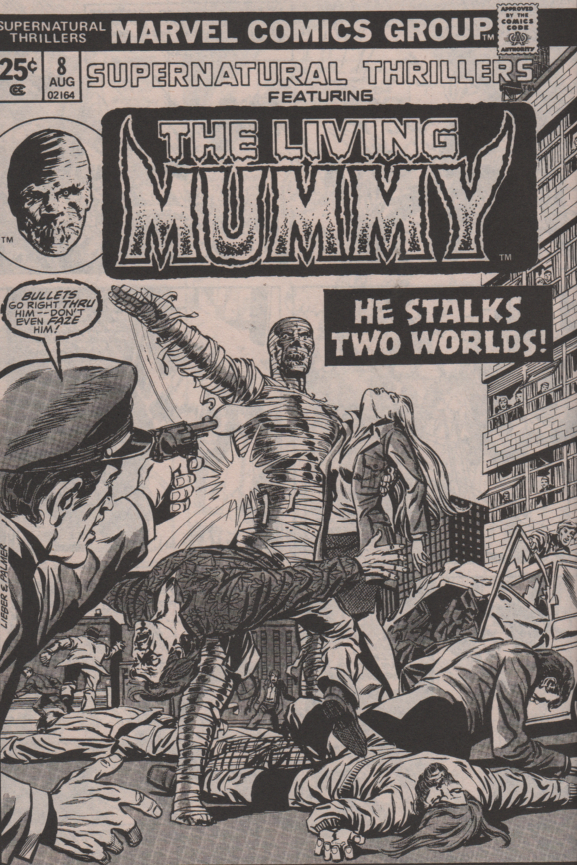
Issue 8 – cover by Larry Lieber and Tom Palmer; written by Tony Isabella, art by Val Mayerik, colors by Glynis Wein, letters by Tom Orzechowski.
 

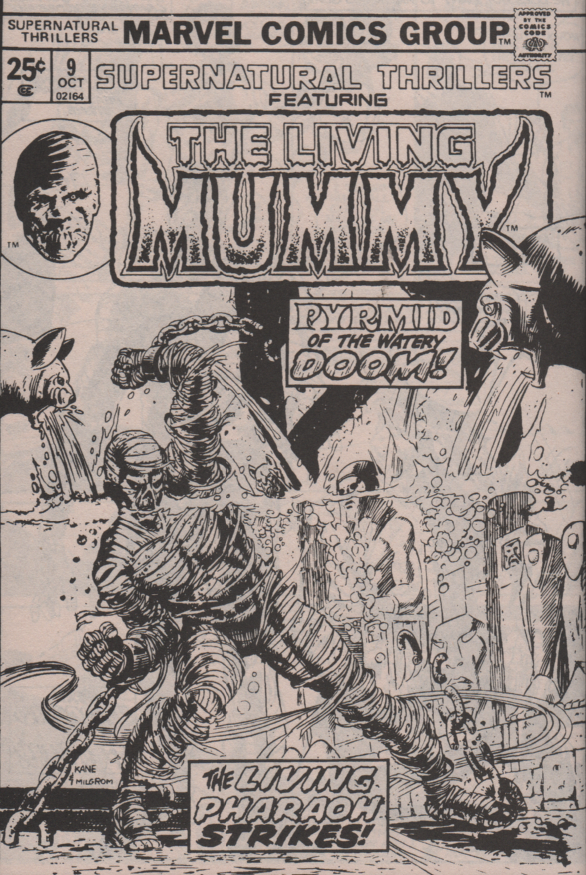
Issue 9 – cover by Gil Kane and Al Milgrom; written by Tony Isabella, art by Val Mayerik and Dan Adkins, colors by Linda Lessman, letters by Tom Orzechowski.
 

Issue 10 – cover by Gil Kane and Al Milgrom; scripted by Len Wein (plot by Isabella and Mayerik), art by Val Mayerik and Dan Adkins, colors by Glynis Wein, letters by Artie Simek.


Issue 11 – cover by Frank Brunner; written by Tony Isabella, art by Val Mayerik (plot assist as well), colors by Bill Mantlo, and letters by Alan Kupperberg.


Issue 12 – cover by Gil Kane and Klaus Janson; written by Tony Isabella, art by Val Mayerik (plot assist as well), and Klaus Janson, colors by Bill Mantlo, letters by Karen Mantlo.


Issue 13 – cover by Gil Kane and Mike Esposito; written by Tony Isabella, art by Val Mayerik (plot assist as well) and Dan Green, colors by Janice Cohen, letters by Karen Mantlo.


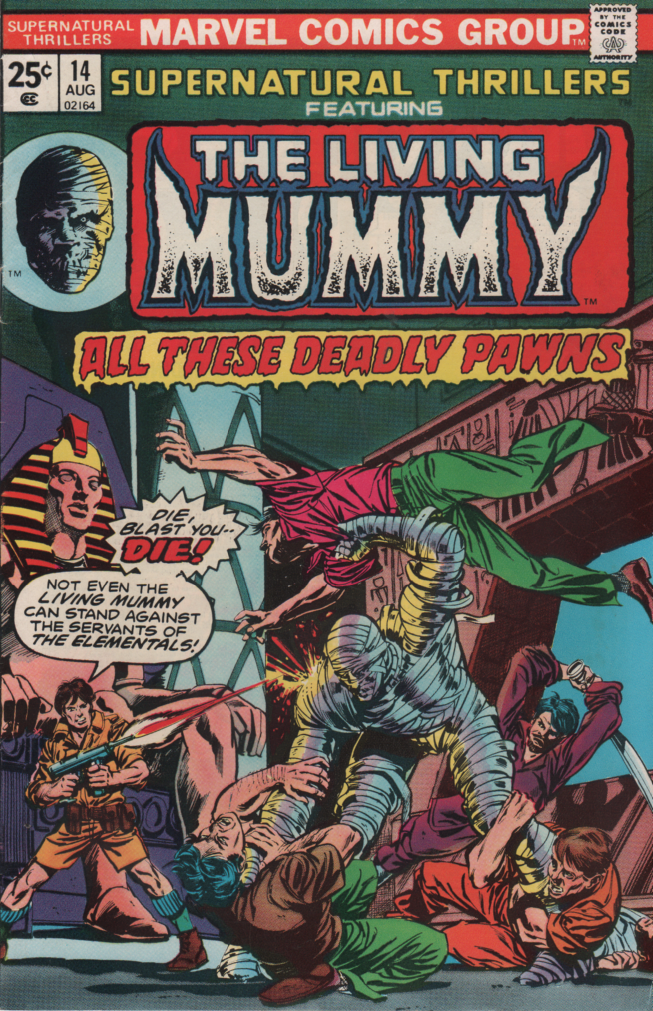
Issue 14 – cover by Gil Kane and Tom Palmer; written by John Warner, art by Val Mayerik (plot as well) and Al McWilliams, colors by Phil Rachelson, and letters by John Costanza.
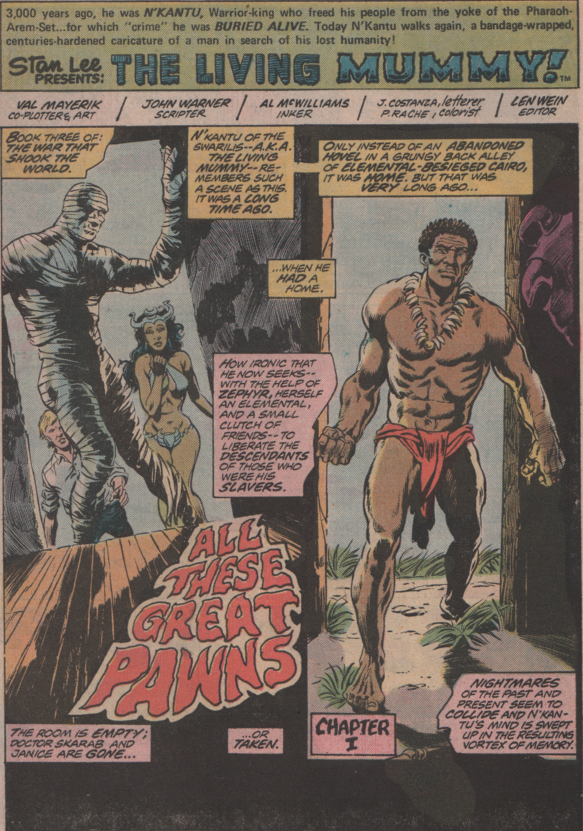
 

Issue 15 – cover by Gil Kane and Tom Palmer; written by John Warner, art by Tom Sutton, colors by Phil Rachelson, and letters by John Costanza.


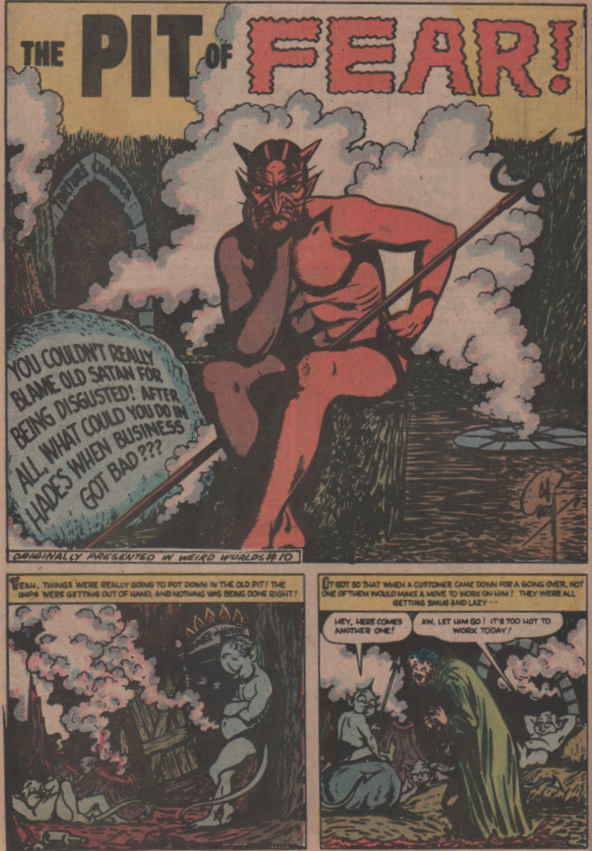
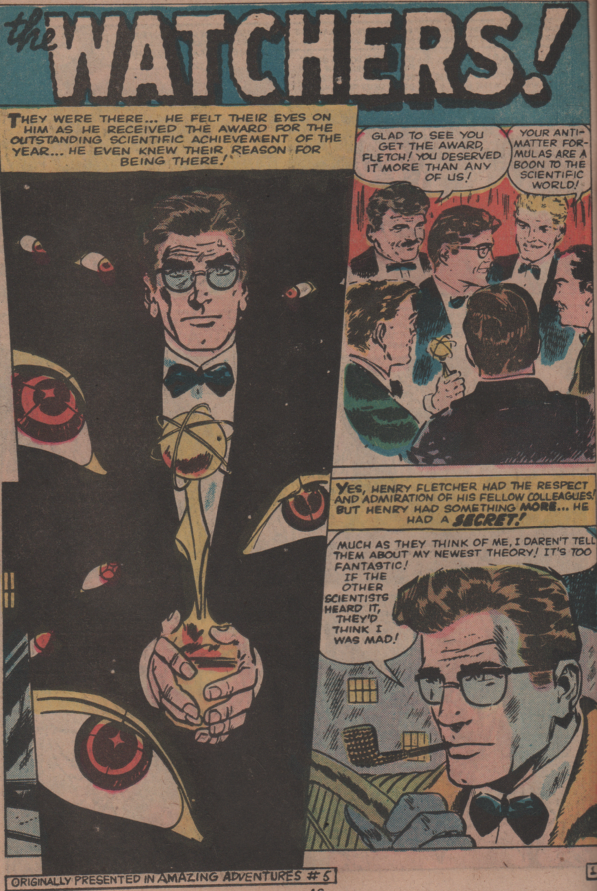
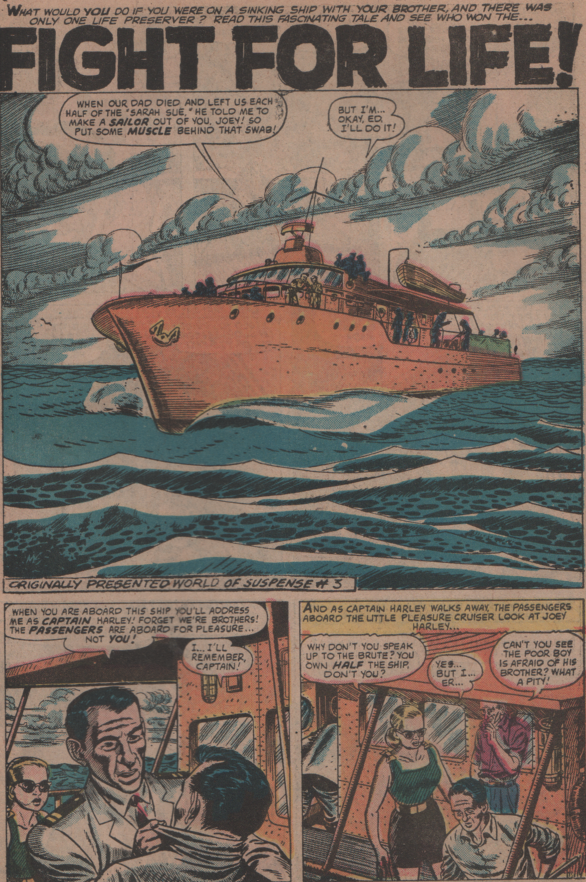
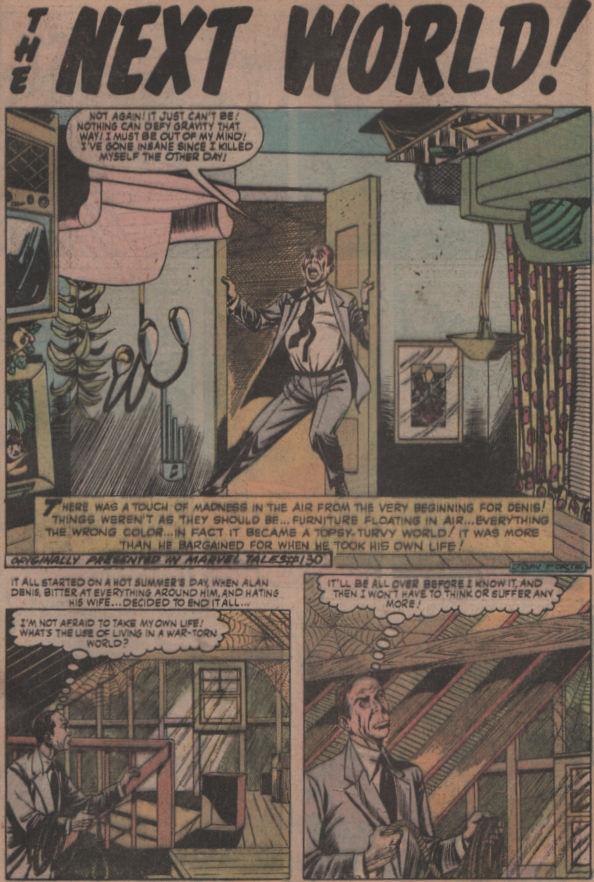
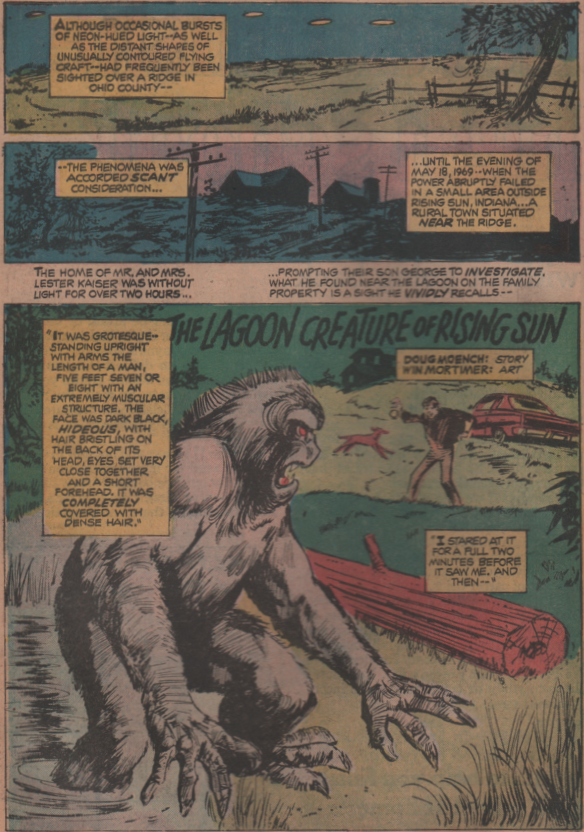
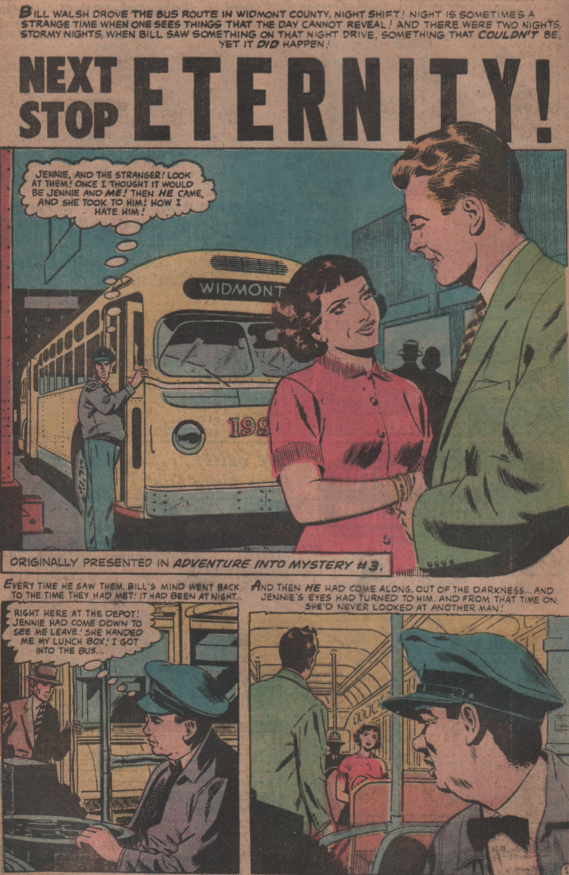
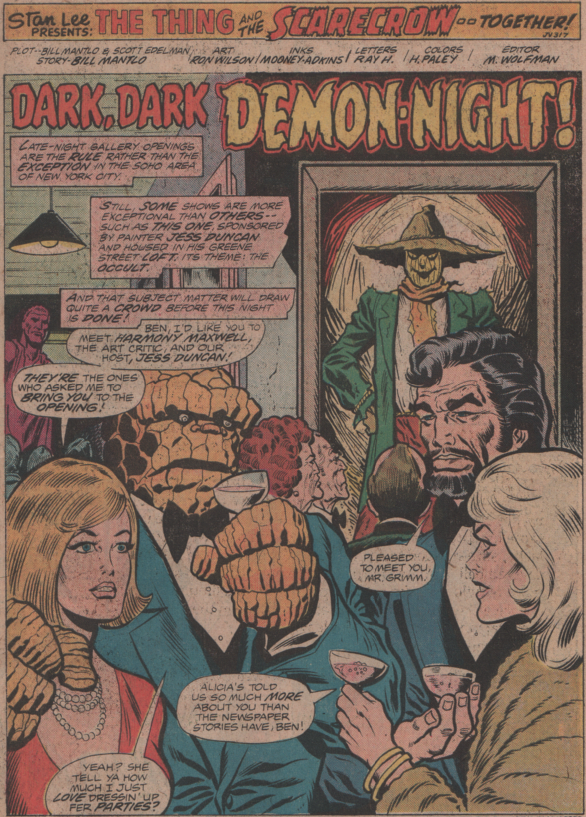
Marvel Comics Giant-Size Chillers!

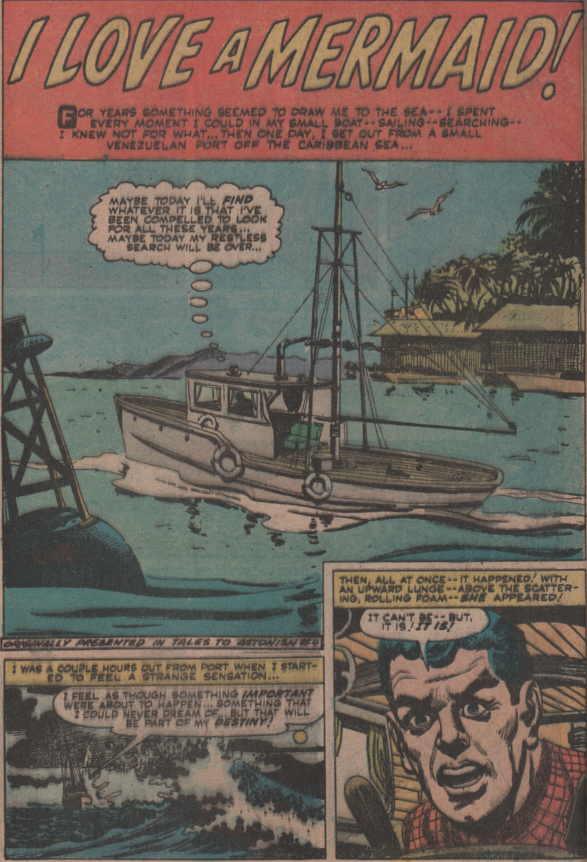
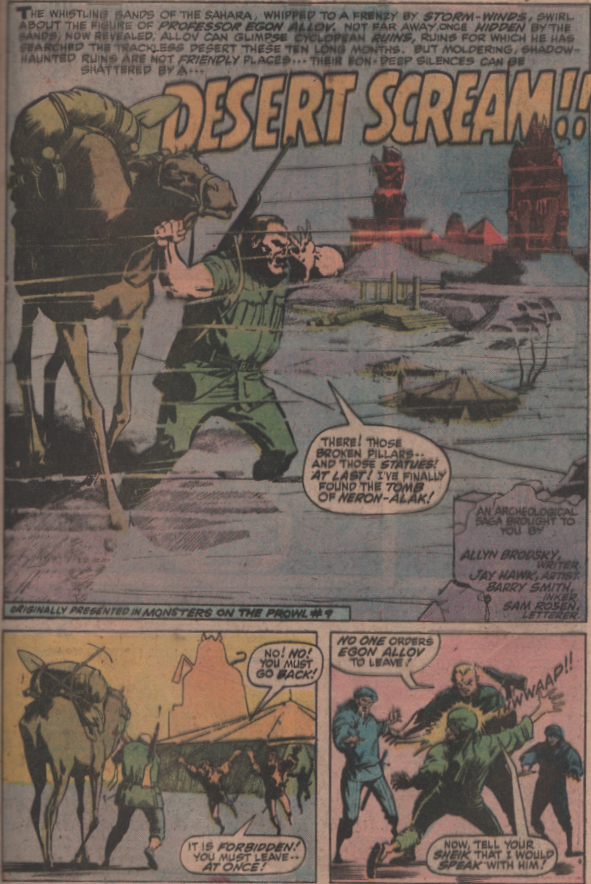
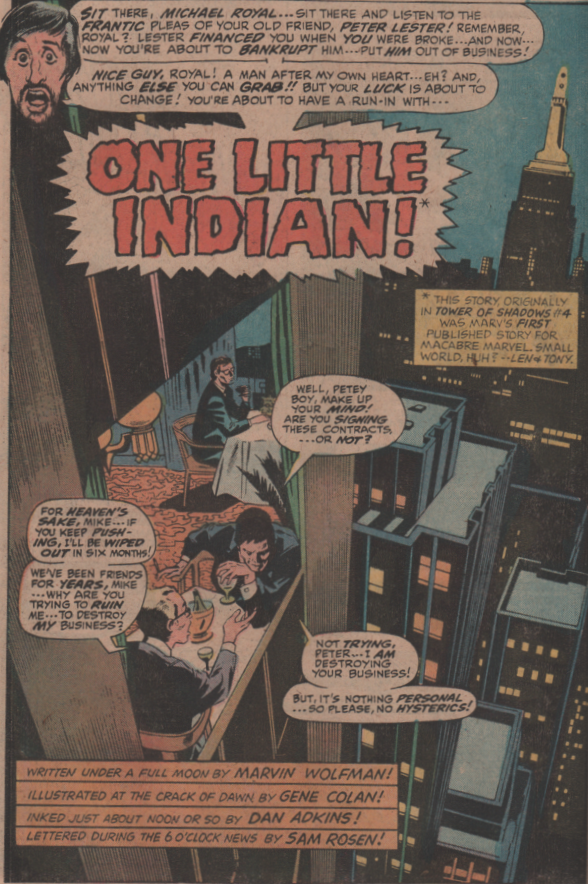
And now, with Halloween right around the corner, let the horror comics binge begin! A few months back, I spotlighted issue one of this series, and recently completed the (extremely short) series. These over-stuffed comics have so much to offer. You get new material plus reprints of Silver Age horror stories as well (in the first and second issues anyway, and the third having all reprints but from other Bronze Age books). The fantastic covers were also a treat, as they showcased some of the tremendous talent of the Bronze Age.

The new material is a bit more graphic than the reprints, due to the fact that the reprints are from the comics code era. But don’t fret, they are definitely worth reading, especially when coupled with the new material. The stories range from Lovecraftian beasts, cryptids, fortune tellers, gargoyles, etc.

The list of creators that had a hand in these three issues is astounding. A long list it may be, but each person is going to be listed starting with the first issue and ending with the third. Seek these issues out at the first opportunity, as they will certainly become more and more scarce!

Issue #1 – cover by Larry Lieber (Romita alterations) and Mike Esposito; interior work by Tony Isabella, Gene Colan, Tom Palmer, Jean Izzo, Carl Wessler, Alfredo Alcala, Larry Lieber, Miguel Ripoll Guadayol, Dave Hunt, Doug Moench, Win Mortimer, Charlotte Jetter, Ralph Alphonso, Adolfo Buylla, Paul Reinman, Dave Gibbons, Dick Ayers, Mike Lombo, Stan Lee, and George Roussos.

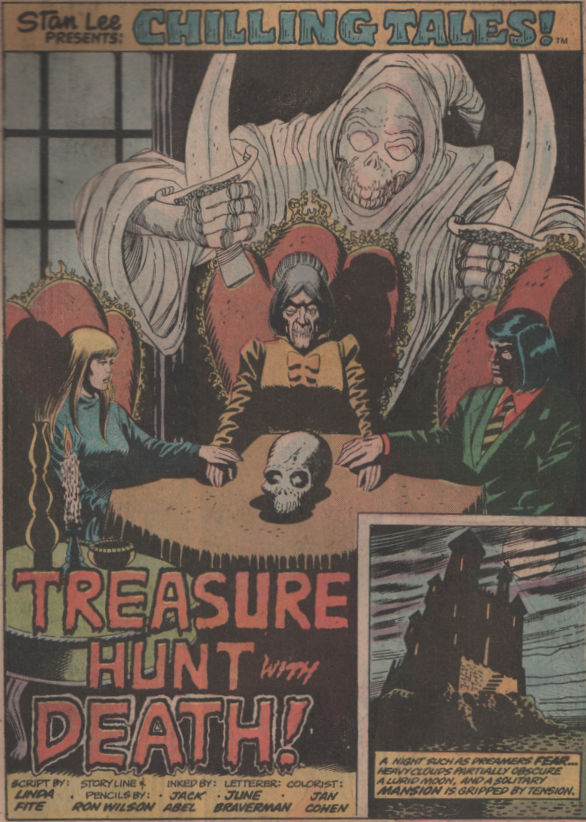
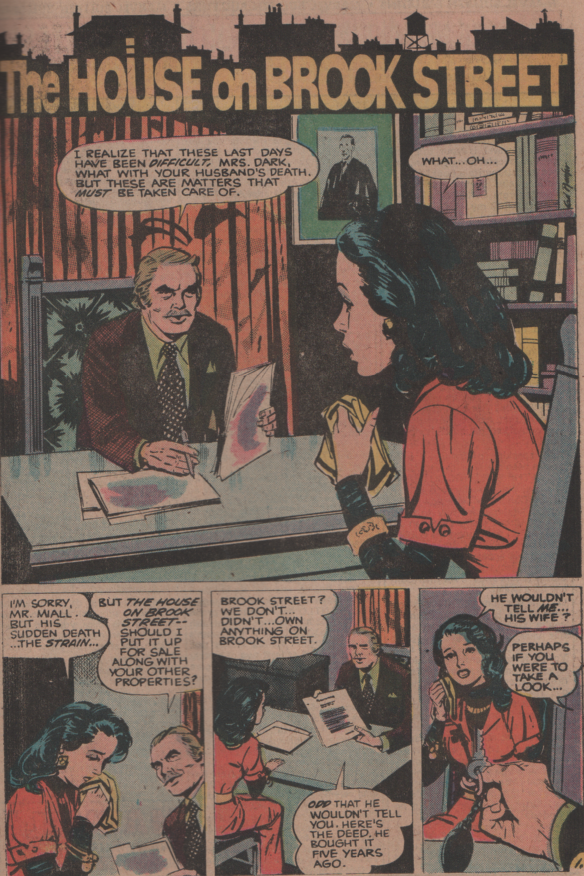
Issue #2 – cover by Gil Kane and John Romita; interior work by Linda Fite, Ron Wilson, Jack Abel, Janice Cohen, June Braverman, Carl Pfeufer, Tom Orzechowski, Don McGregor, Paul Reinman, Ed Winarski, Stan Lee, Al Eadeh, Bill Everett, Don Heck, Artie Simek, Manny Stallman, John Forte , and Carl Burgos.

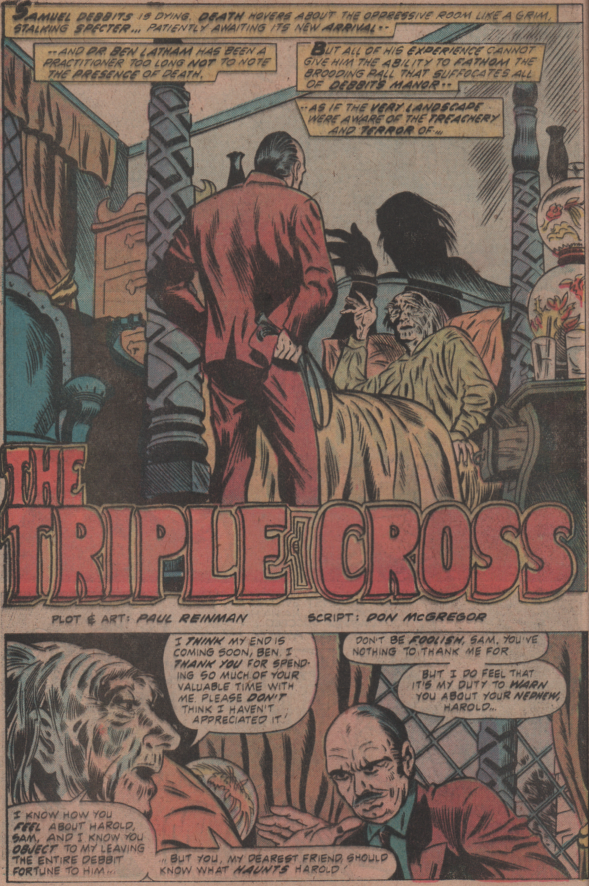
Issue #3 – cover by Ed Hannigan and Bernie Wrightson (letters by Danny Crespi) interior work by Alfredo Alcala, Len Wein, Marie Severin, Dan Adkins, Gaspar Saladino, Bernie Wrightson, Roy Thomas, Artie Simek, Stan Lee, Gerry Conway, Barry Windsor-Smith, Sam Rosen, Allyn Brodsky, Jack Katz, Gene Colan, Mike Esposito, Marie Severin, Jean Simek, Jack Kirby, John Verpoorten, Denny O’Neil, Tom Sutton, and Marv Wolfman.


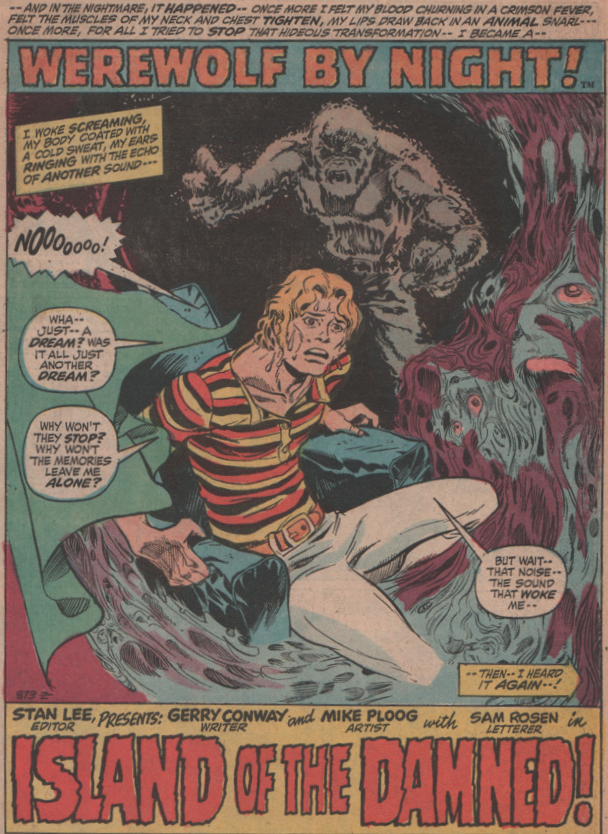
Marvel Spotlight 4, 1972 “Island of the Damned!”

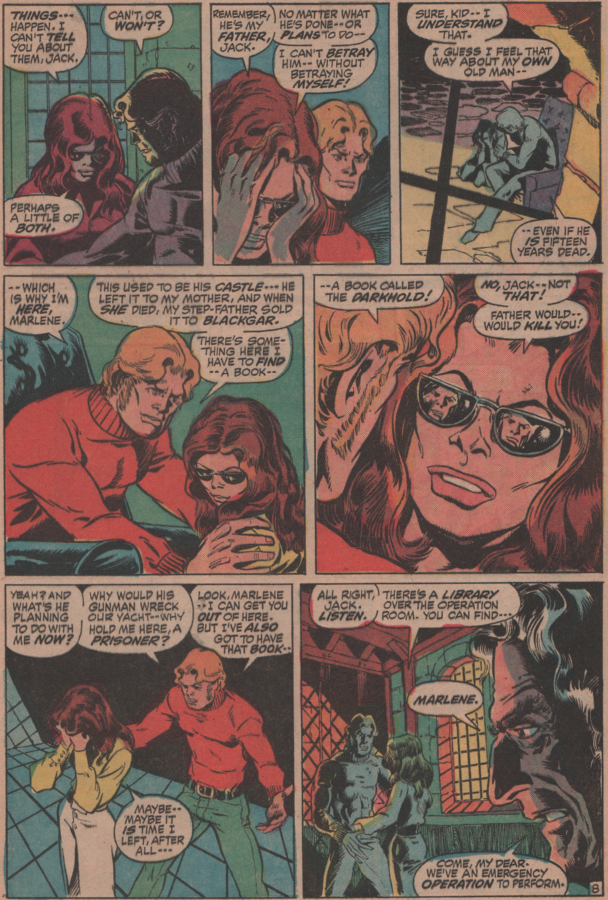
During the 1970s, there were a few different things that were hot commodities. In comics, one of them for sure was horror. Vampires, monsters, demons, mummies, witches, and of course, werewolves! In 1972, Marvel decided to create their own werewolf character that would be not only a creature of destruction, but one of tragedy as well. Jack Russell would turn twenty-one years old, and turn into a werewolf under a full moon from here on out.

Early on, the book centered around Jack trying to figure out why this happened to him. He very quickly realized that a certain book was involved, and that unless he finds The Darkhold, he may never get any answers. In what’s basically a werewolf dropped in the middle of the Island of Dr. Moreau, Jack is confronted by a strange island full of surprises, and by the end of the issue, he’ll be between a rock and a hard place.

In this early second age of horror for Marvel comics, Gerry Conway (writer) is one of the men that was tasked with writing these titles off and on (between his epic Spider-Man run and other superhero titles as well). Not to belittle Conway’s efforts, but Mike Ploog (cover and interior art) was outstanding during this period with his horror work. He had runs on this title/character, Monster of Frankenstein, Man-Thing, and Ghost Rider, and they were all exquisite. The creative team is rounded out by veteran Sam Rosen (letters).

*Note- there was also a lot of input on the early issues of the horror books by Writer/Editor Roy Thomas, and he definitely deserves credit as well.


The Phantom Stranger 30, 1974 “The Children’s Crusade!”

The magical and mystical is an area of comic books that should never get boring. With so many ways you can go with the story, characters, and settings, it’s a wealth of creativity. One of the grooviest characters under the DC comics banner is definitely the Phantom Stranger. His history is shrouded in mystery, but his prowess as a magical being is not. Immortality, teleportation (of the highest order), energy blasts, time travel, all sorts of magical spells and even omniscience!

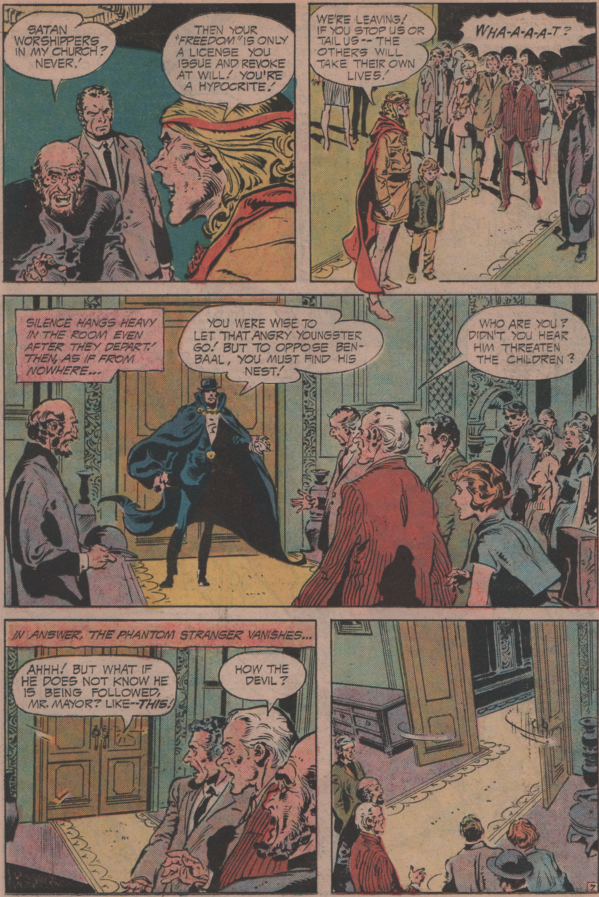
In this particular issue, we see the Phantom Stranger up against a Pied Piper type villain that has a group of youths mesmerized, and worshiping a demonic entity! The kids are completely in his sway and wish only to do his bidding. And although the Phantom Stranger is powerful, he underestimates the power of his enemy, and pays for it dearly. He’s captured and seemingly helpless against these forces of evil! Written by Arnold Drake, art by Gerry Talaoc, and edited by Joe Orlando!

There’s also a back up story featuring the “Spawn of Frankenstein.” This multi-part story ran in the back pages of Phantom Stranger for a few issues (this was the last chapter, it switched over to Black Orchid with the next issue). Honestly, to say it borders on the bizarre is a compliment. I’ve only read a couple of these so I’m not even 100% sure what the end game was for this story line. Writer, Steve Skeates, artist, Bernard Baily.


The Mystic Hands of Dr. Strange (2010)

I’m finding it more difficult these days to find good comic books, but every once in a while, something very good turns up. In 2009/10, Marvel released “Super Issues” with 48 pages of black and white content that was all new material. In this specific issue, we get four stories that are excellent! Only one of the stories features a regular Marvel villain, the rest are supernatural. All are very different in appearance but the same in the Master of the Mystic arts is in them!

The first tale “The Cure” is one that involves a “doktor” that promises help through a kind of group therapy. In the end though, the dark lord Mephisto has something more sinister in mind! Written by Kieron Gillen and art by Frazer Irving.

Next we see an abusive relationship gone awry. “Melancholia” shows us a woman possessed by a demon. This one also has a very interesting ending, one that I’m not sure has ever been revisited. Written by Peter Milligan, art by Frank Brunner!

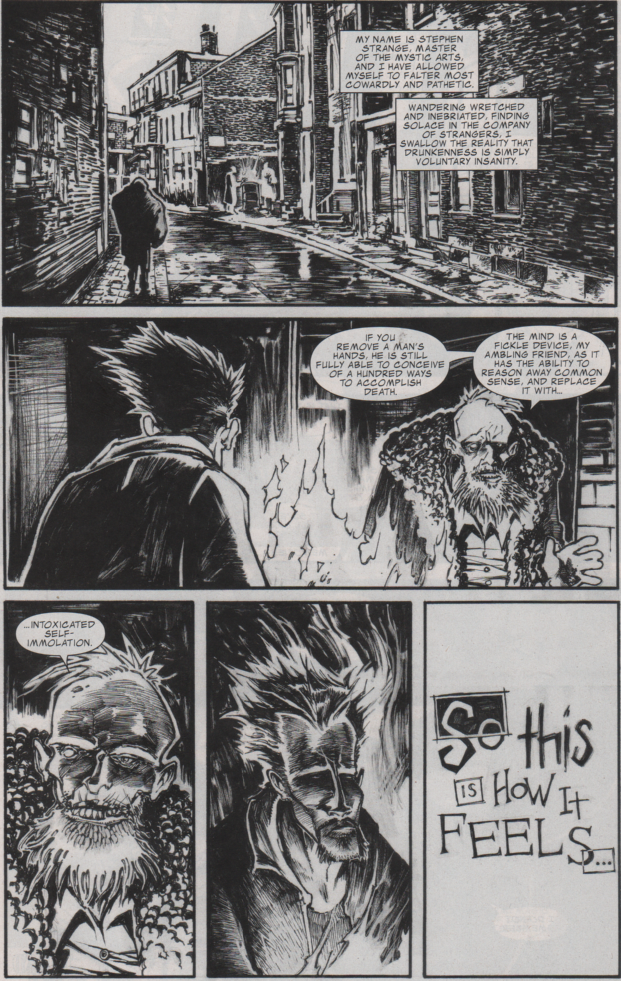
The third story (“So This is How it Feels”) is one of the most daring stories about the Doc. He’s become an alcoholic, and is wandering the city streets in search of his next bottle. He runs into one man who has a very special bottle, and it’s one that Stephen Strange will never forget! Written and dawn by Ted McKeever.

Last but certainly not least, Doctor Strange remembers a time when he was still under the tutelage of the Ancient One. Stephen ends up in the Dark Dimension and in battle with one of Dormammu’s minions. The story is mostly prose with one splash page and two small illustrations.  Written by Mike Carey with illustrations by Marcos Martin.


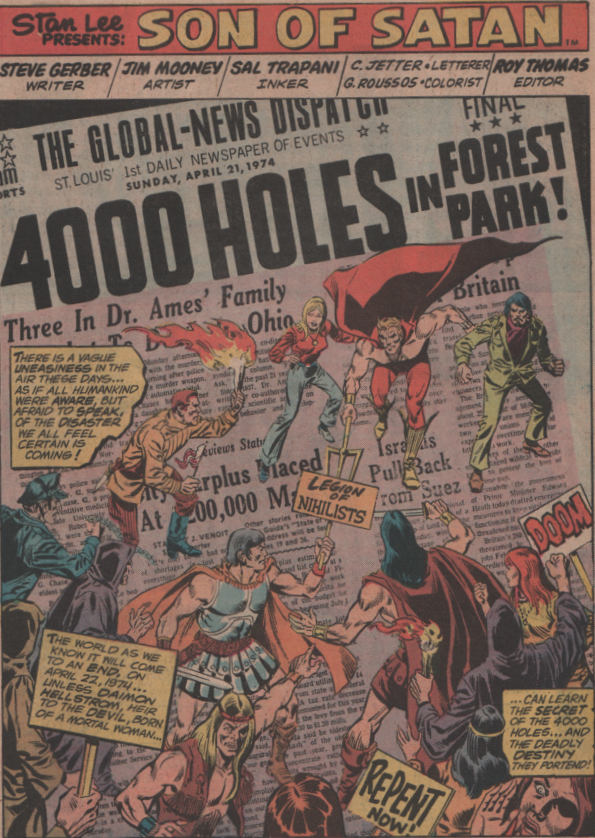
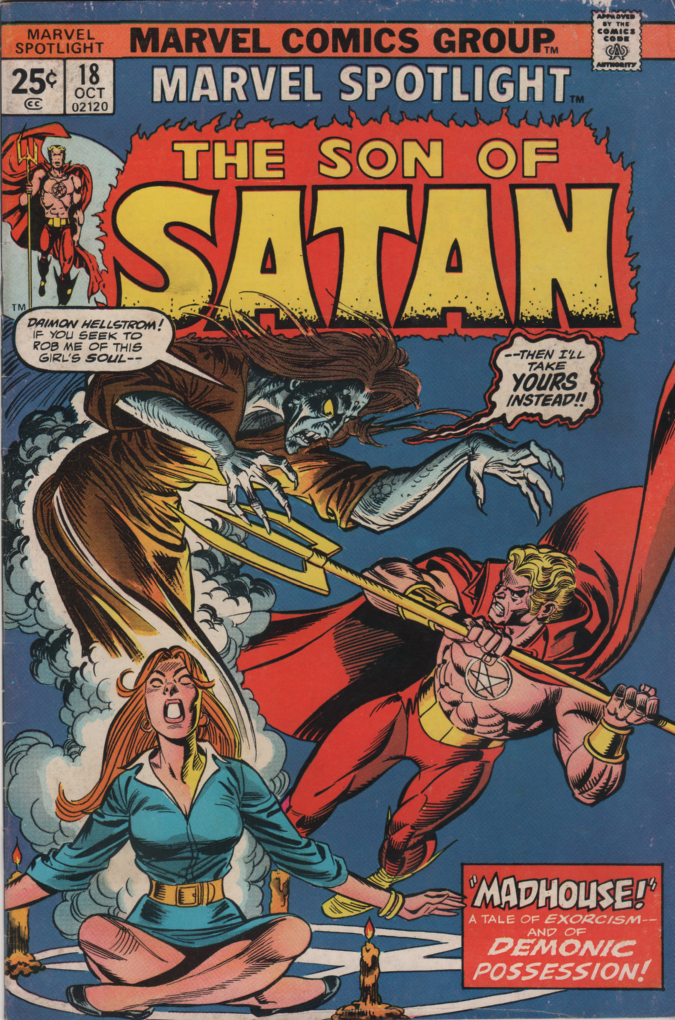
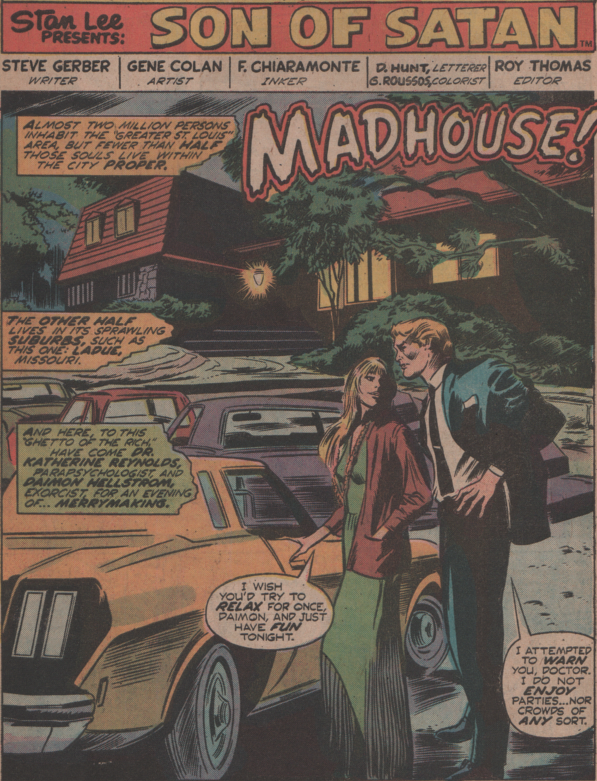
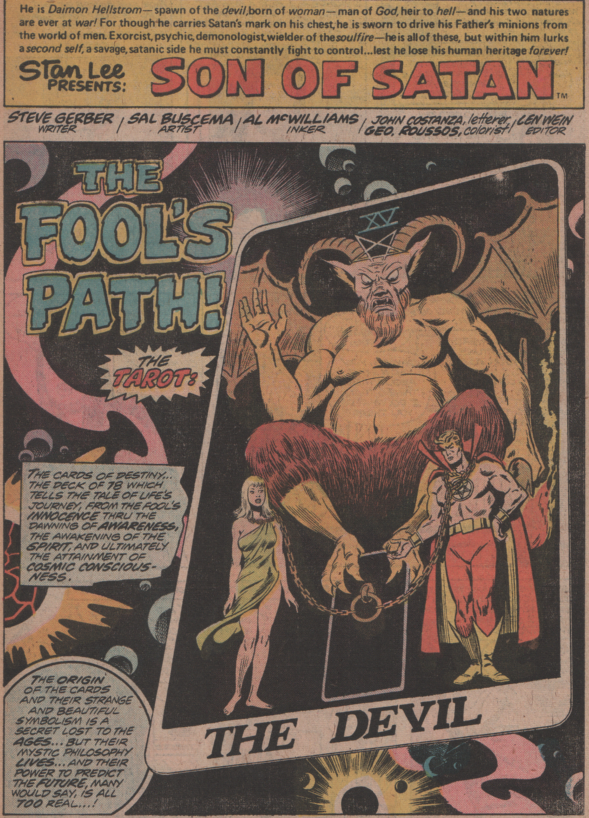
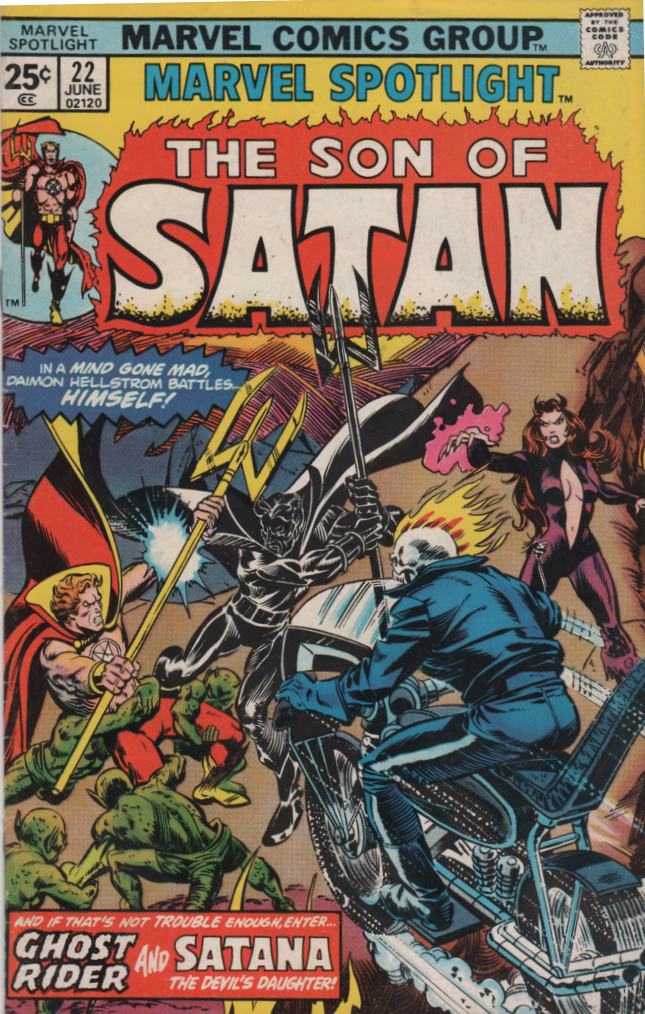
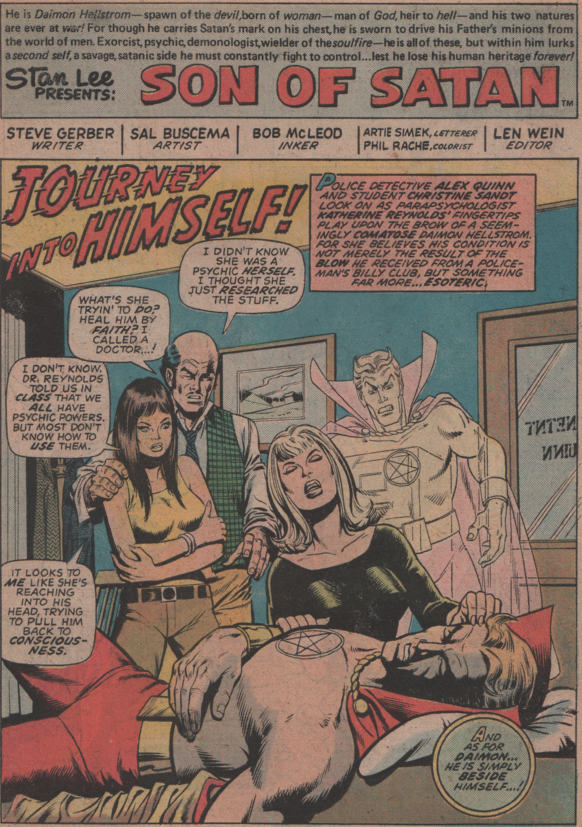
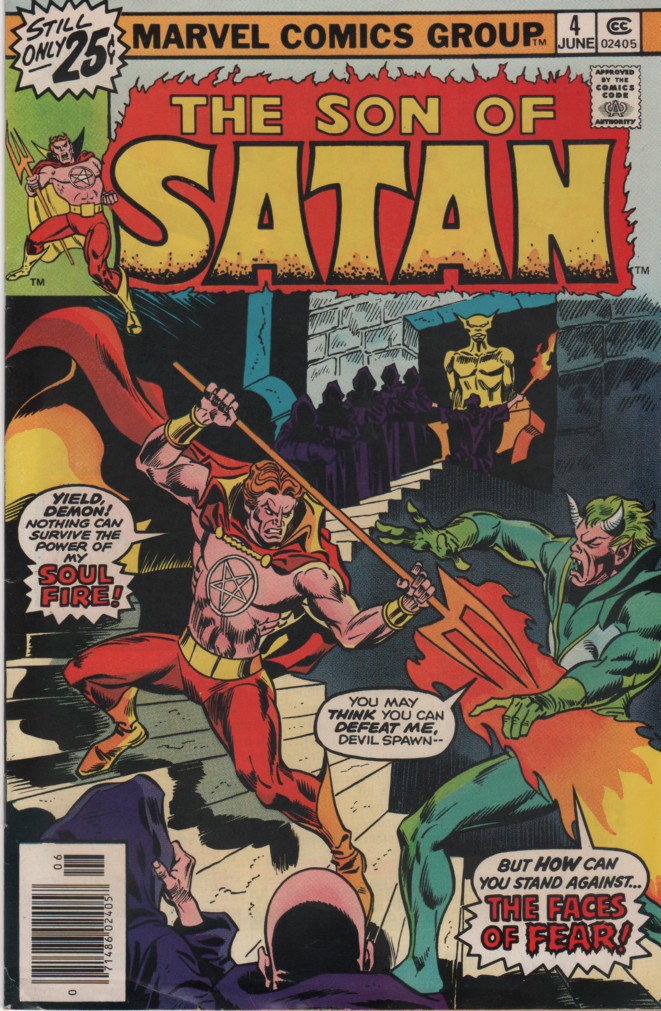
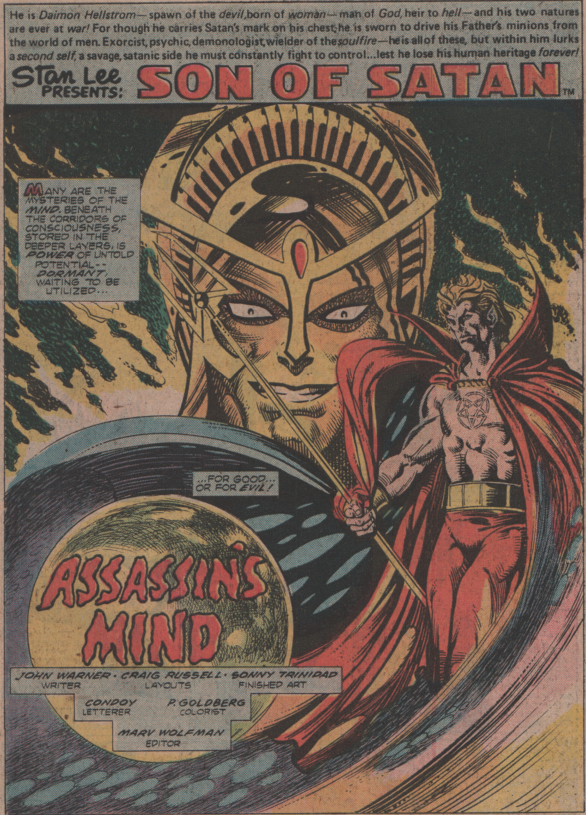
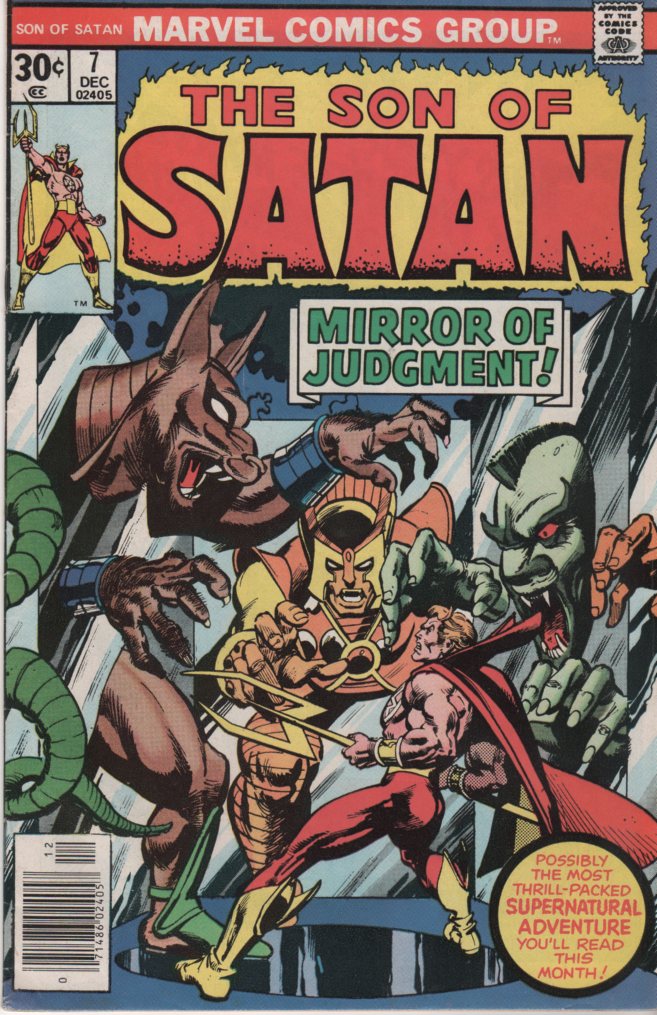
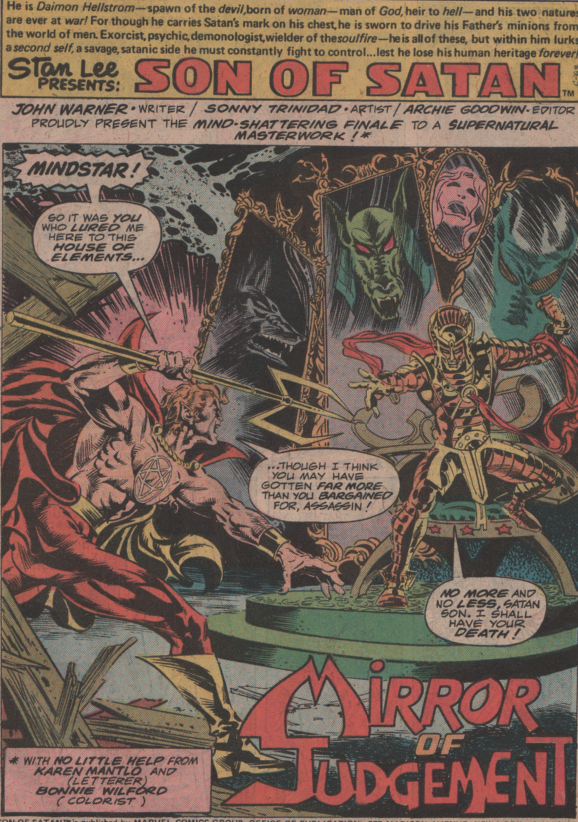
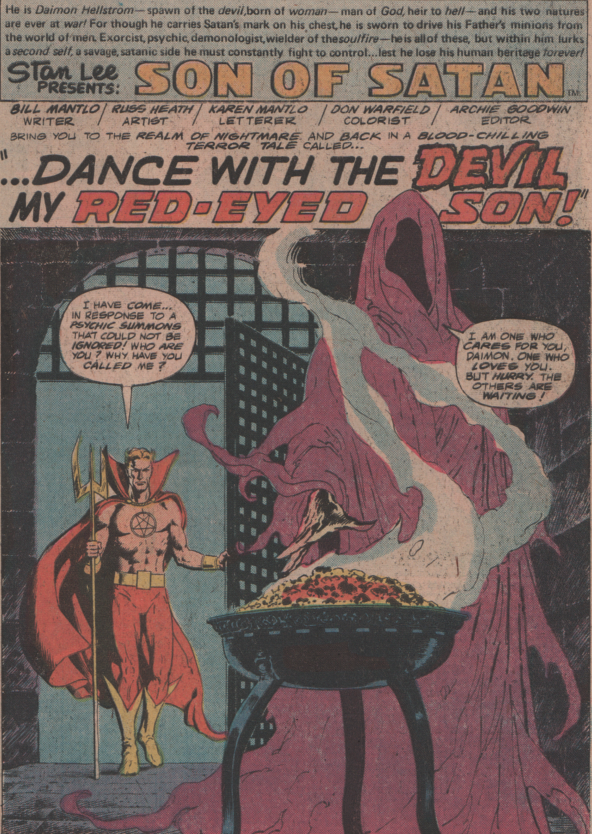
Marvel Comics – The Son of Satan!

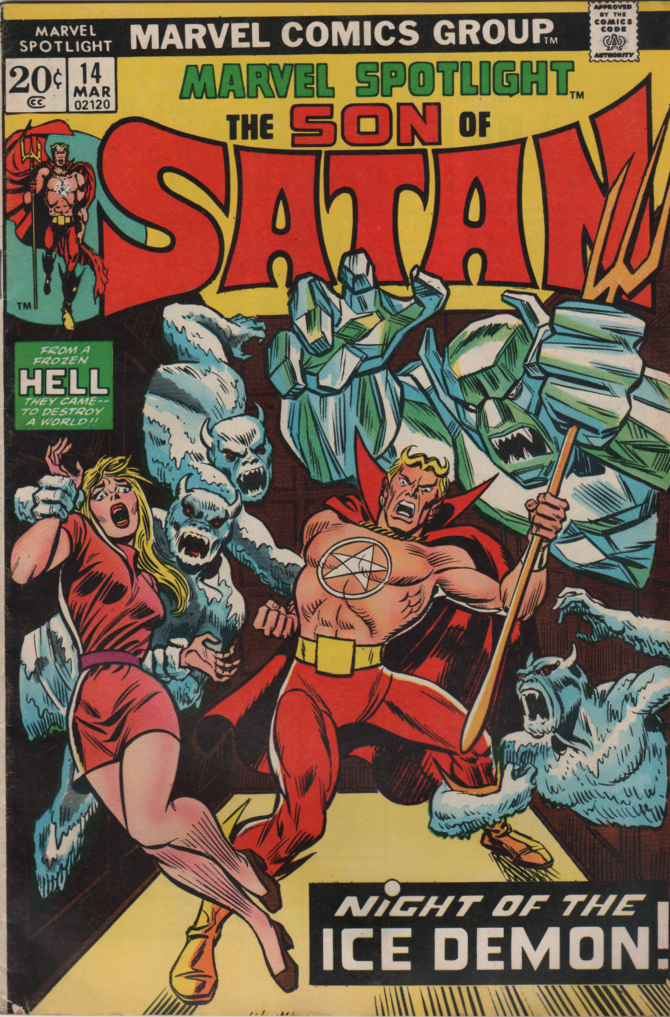
As I close in on finishing off a few different runs of comic book series, one in particular has me jazzed. Marvel’s attempt to popularize a character during the 1970s cult craze was successful as far as lasting power. Daimon Hellstrom has appeared as recently as 2016, and is still a name that carries weight. Definitely more of a fringe or “B” – lister, but he has been in solo books, team books, limited series, and so on. First appearing in the pages of Ghost Rider vol. 1, number one, he quickly transitioned to Marvel Spotlight, then his own solo title until its cancellation with issue number eight.

The fact that Marvel published a title/character with this name and origin back then is wild. Yeah, times they were a changing, as was the comic book code. Still, think about the 1970s and many groups (religious, political, etc.) would’ve been vehemently opposed to this material. Just on face value, it’s understandable, but when you actually read the material, you’ll find out that not only is the lead character a hero, but that good>evil every time. Yes, that can get a little one-note, but as the years go by, Daimon will make some decisions that are questionable, and feel the pain of loss as well. So you do get some variety for sure.

With creators such as Steve Gerber, Sal Buscema, Jim Mooney, Bill Mantlo, Sonny Trinidad, John Warner, Gil Kane, Russ Heath, Sal Trapani, Dave Hunt, Rich Buckler, P. Craig Russell, and so on, these books are nothing short of stellar! The stories varied from super-heroics, to battles with a myriad of demons and demi-gods, and even Satan himself! It is interesting to see how the different creative teams portrayed his demeanor, powers, and actions. Sometimes he was hot-headed, other times he would be cool, calm, and collected. Either way, he’s been a solid character throughout the years that has always been around and kicking up dust (definitely check out his run in The Defenders vol. 1 as well).


The House of Mystery 224, 1974 “Sheer Fear!” 100 page Spectacular!

Do You Dare Enter the House of Mystery? Yes, I do! Sounds like a marriage proposal. This issue was one of those finds that would make any reader/collector get ecstatic. A good comic isn’t that difficult to find, but a great one that you can find at a bargain is getting more and more difficult as the years pass by.

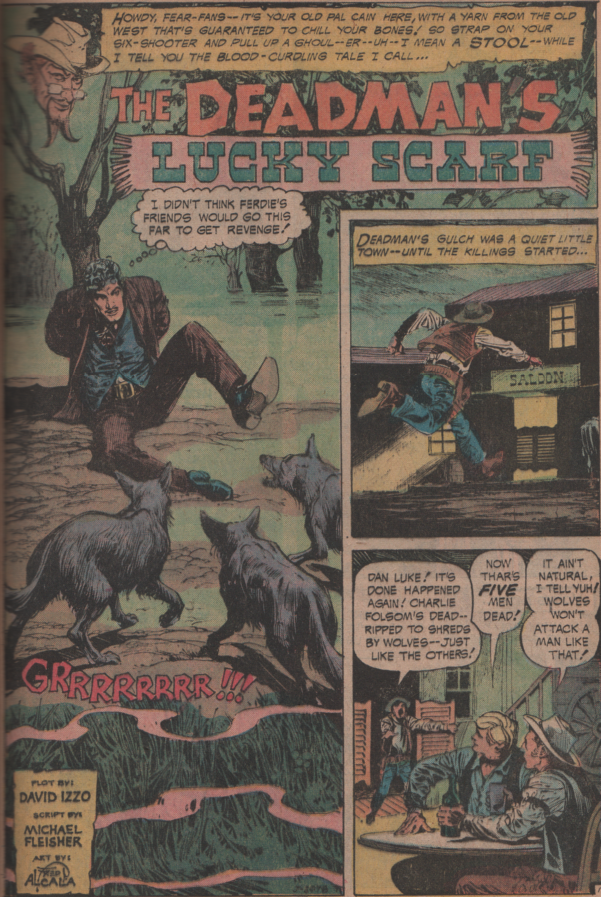
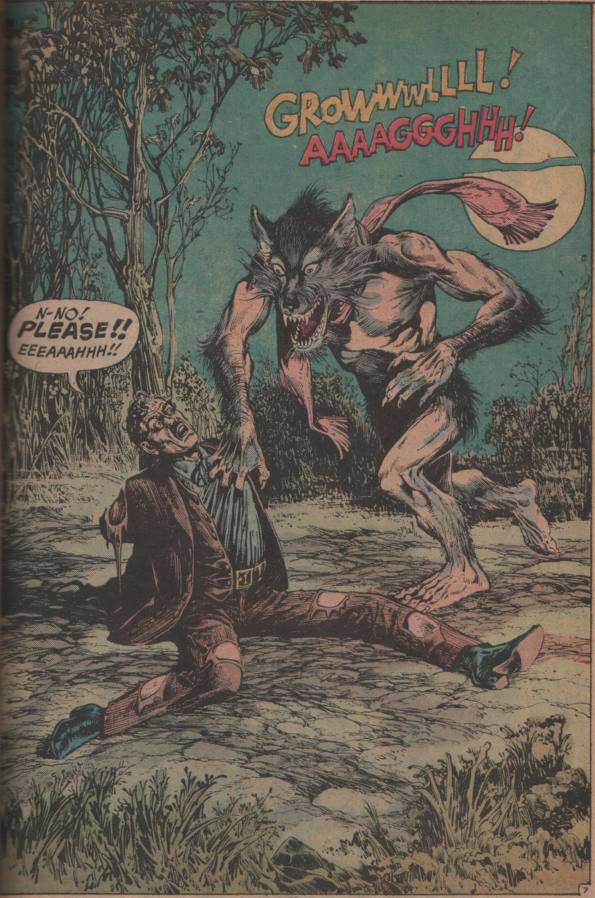
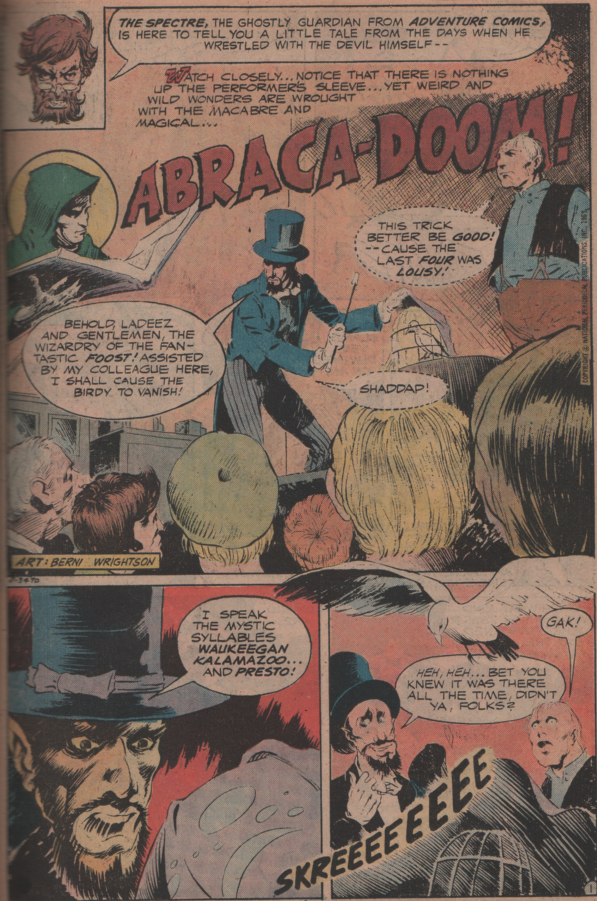
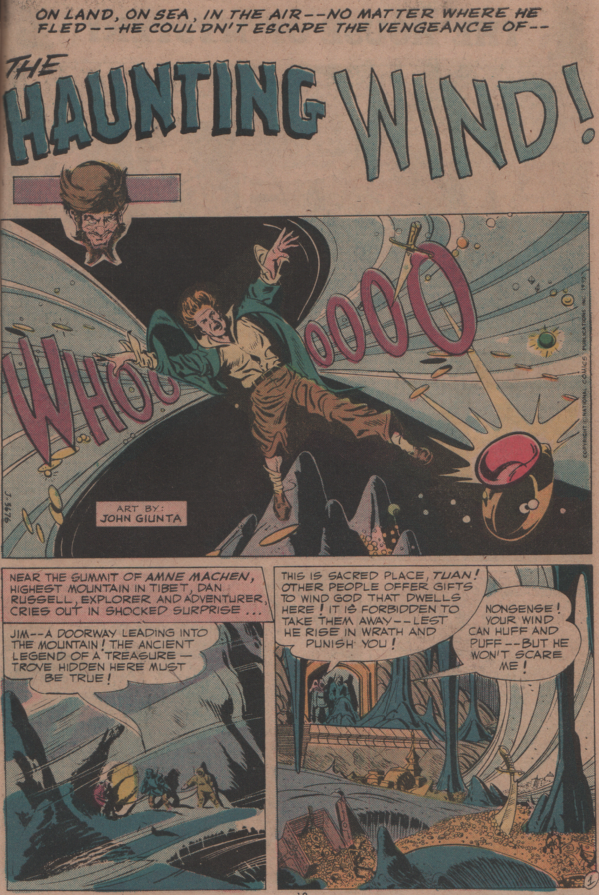
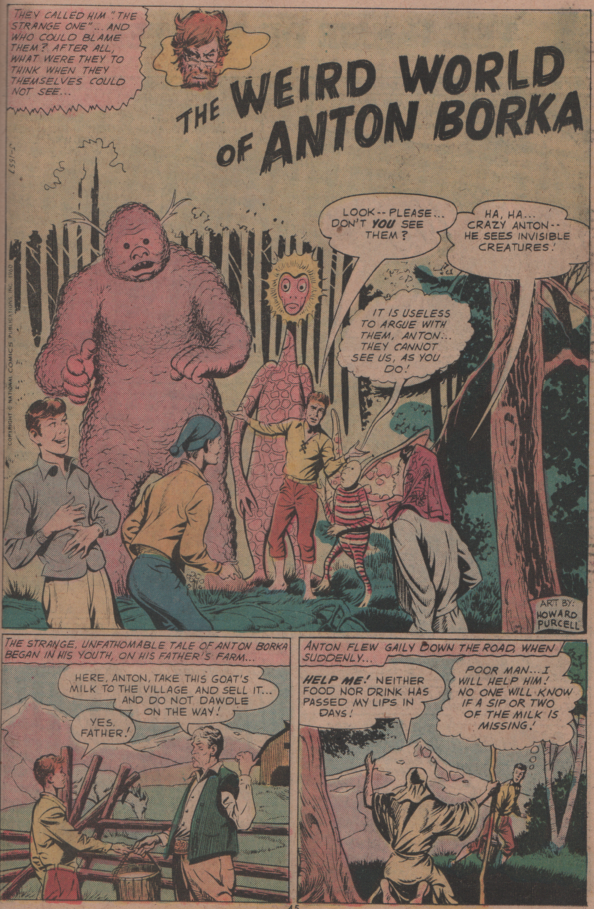
Continuing a look at one of Dc comics’ best horror titles, this one is probably packed with the most talent of any book from that era. This exquisite horror anthology tells tales of a gym rat (Night Stalker in Slim City), a haunted house with an old hag (The House of Endless Years), a western werewolf (The Deadman’s Lucky Scarf), a boy sorcerer (The Reluctant Sorcerer), a magician that meets the Specter and the devil (Abraca-Doom), a problem with the mail (The One and Only Fully Guaranteed Super-Permanent 100%), a time travel tale with unintended consequences (The Gift that Wiped Out Time), a woman who has nightmares (Sheer Fear), A werewolf in Uncle Sam’s army (The Claws of Death), The Phantom Stranger has trouble with some elves (Mystery in Miniature), and finally a story that is picture perfect (Photo Finish).

The credits in this book are a murderers row of creators that are top-notch! Writing credits include- Dave Michelinie, Gerry Conway, Michael Fleisher, Howard Purcell, Denny O’Neil, Marv Wolfman, Sheldon Mayer, George Kashdan, John Broome, and Steve Skeates.

Artists include- Joe Orlando, Frank Robbins, Bill Draut, Alfredo Alcala, Howard Purcell, Berni Wrightson, Dick Dillin (w/Neal Adams inks), Mort Meskin (w/ George Roussos inks), Gerry Talaoc, Alex Niño, Frank Giacoia, and Mike Sekowsky.


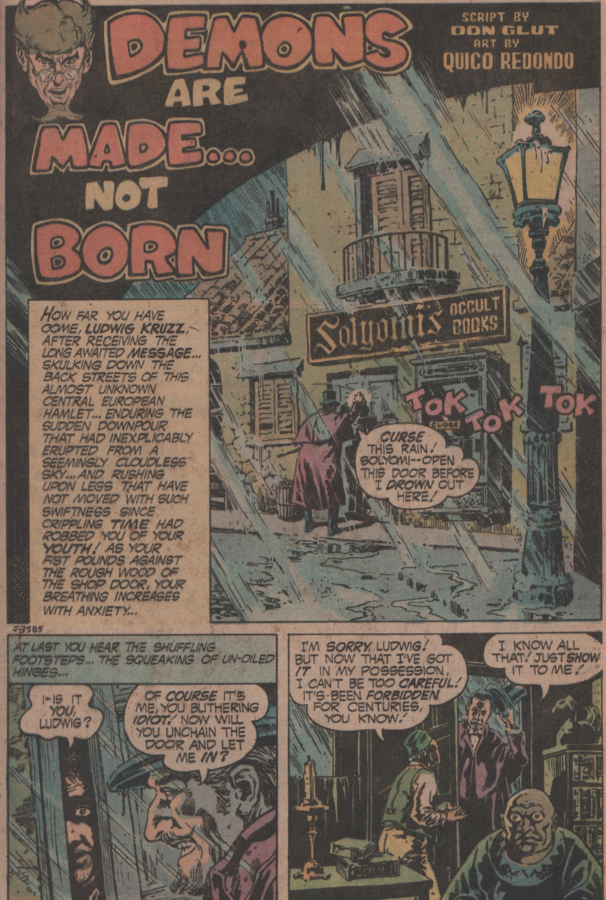
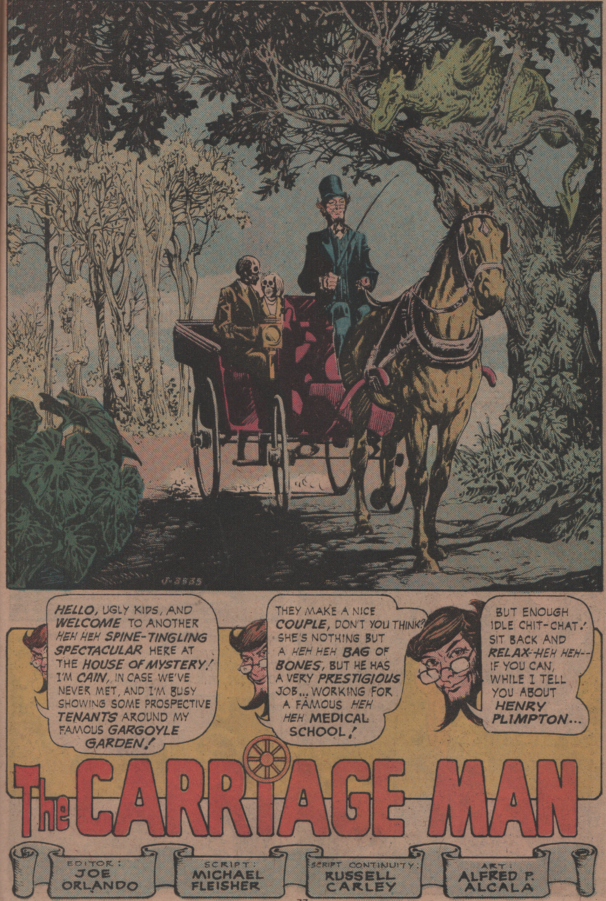
The House of Mystery 227, 1974 “The Carriage Man!”

After being a Marvel Zombie for many moons, I really cranked up buying DC comics over the last few years. Focusing mostly on horror (and the absurd), the 100page issues are where the bargains live! These books are fantastic and are packed full of comic book goodness. With eight stories, this 100 page book brings it with the heat of a demon, or maybe the hair of the werewolf, or…well, you get it.

This issue has a great list of creators that includes- Michael Fleisher, Nestor Redondo, Joe Orlando, Sergio Aragonés, Don Glut, Joe Maneely, Paul Levitz, Alfredo Alcala, and more! Each story has it’s own unique flavor because of the myriad of creators in this one. It also contains one of the best clown stories ever (definitely not as good as “Night of the Laughing Clown” by Steve Gerber though)! Definitely seek out these 100page books, especially the horror titles!


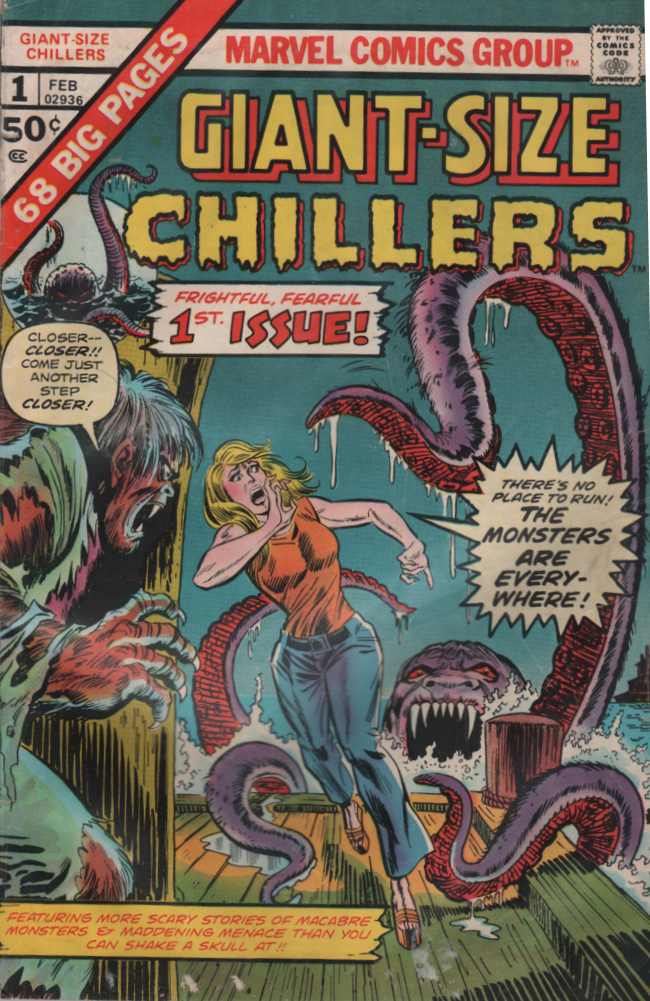
Giant-Size Chillers 1, 1975

You know, Treasury Editions aside, there’s no better format than the Giant Size comic books of the 1970s. From Superheroes to horror, they were great, and really packed a wallop as far as content. Yeah a good portion of the time they were reprints, but in this day and age the original material  they show is extremely pricey and every-day Joes just can’t afford them. Probably the most important editions of this title were in The Avengers, where it was new material and tied into a huge arc (The Celestial Madonna).

Instead of making a joke about a character that was also given the Giant Size treatment, let us journey into this book, Giant-Size Chillers 1, from 1975. With only two reprinted stories it showcases some oddities, traditional stories, and some definite re-hashed work as well. With work from Tony Isabella, Gene Colan, Tom Palmer, Carl Wessler, Alfredo Alcala, Larry Lieber, Miguel Ripoll Guadayol, Doug Moench, Win Mortimer, Ralph AlphonsoAdolfo Buylla, Paul Reinman, Dave Gibbons, Dick Ayers, Mike Lombo, George Roussos, Mike Esposito, and John Romita.


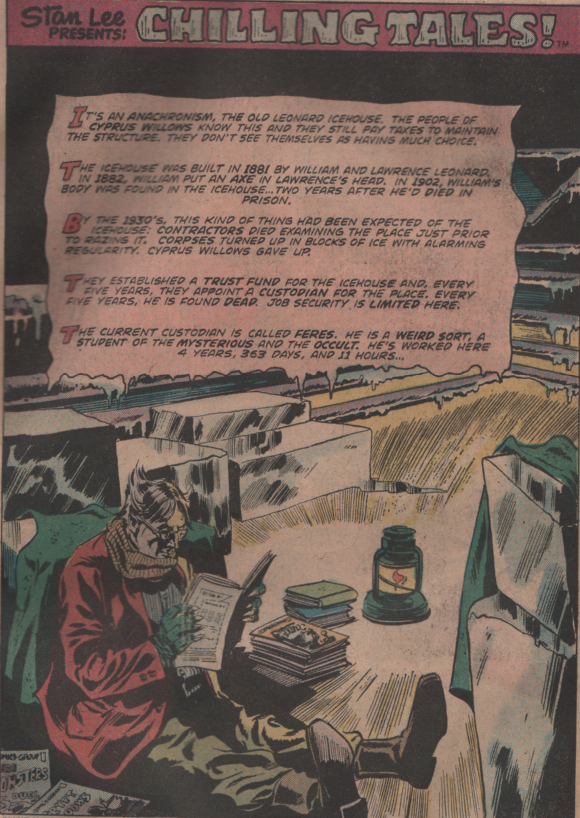
Marvel Spotlight – The Scarecrow (A.K.A. the Straw Man)!

After recently obtaining the last appearance that I needed of this character from the Bronze Age, I felt compelled to spotlight this crazy character. He’s definitely right up there with my other oddball favorites (The Tatterdemalion, The Orb, etc.). After a few years in dormancy, the character’s name was changed to avoid confusion with another Scarecrow, so he was then called The Straw Man in the late 1980s. No matter what you call him, he’s a ridiculous character that makes absolutely no sense, and that’s probably why I love him so much.

His first in a comic was in Dead of Night 11, 1975. A year later, he was in two more, but then took some time off for a while. He reappeared in Doctor Strange Sorcerer Supreme where he was relabeled. He wasn’t given much panel time in that series but by then the other Scarecrow was in full swing in the Marvel Universe. It seems there was only room for one. Ah well, we still have the few Bronze Age books to look back on with nostalgia.