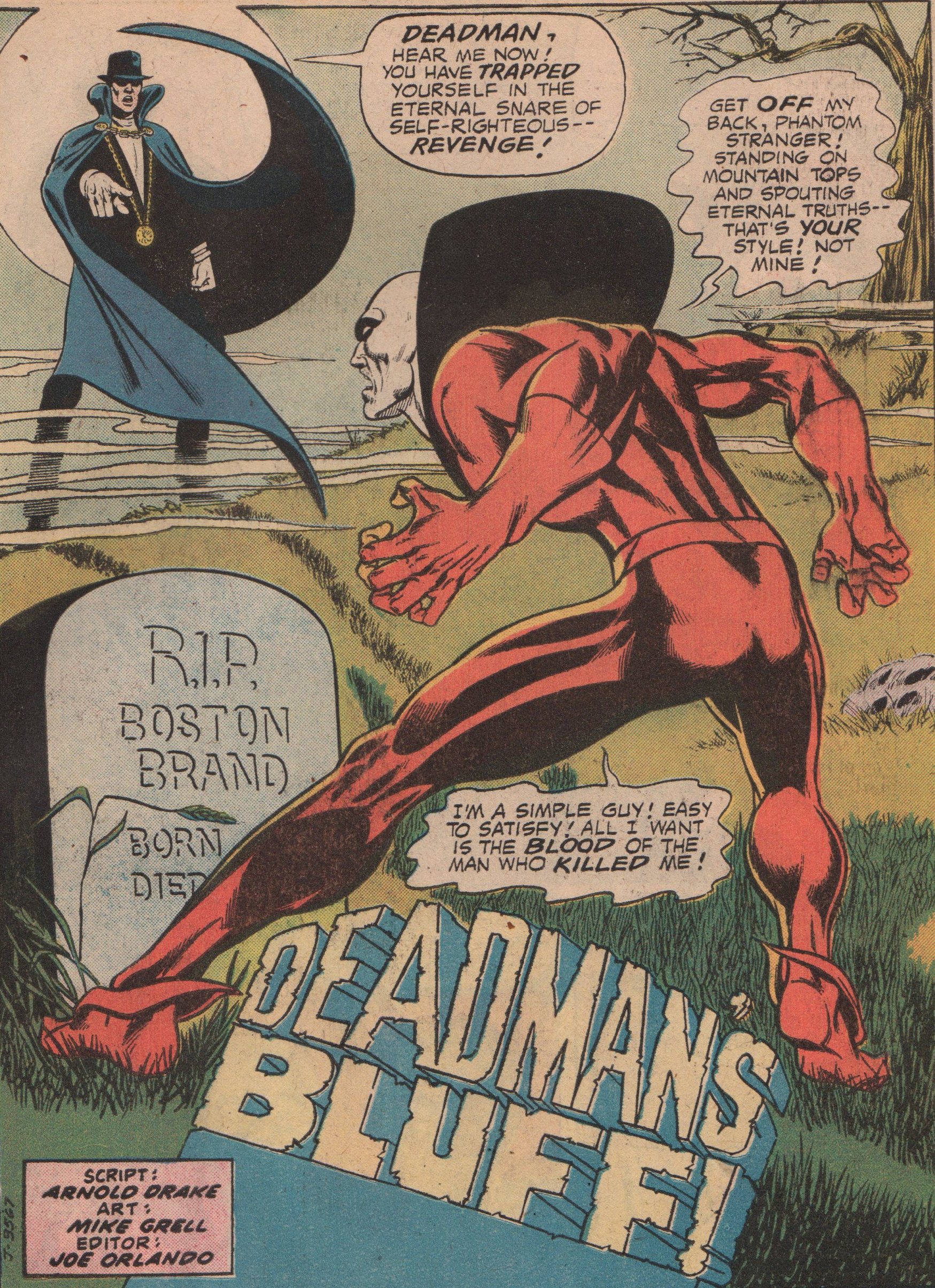
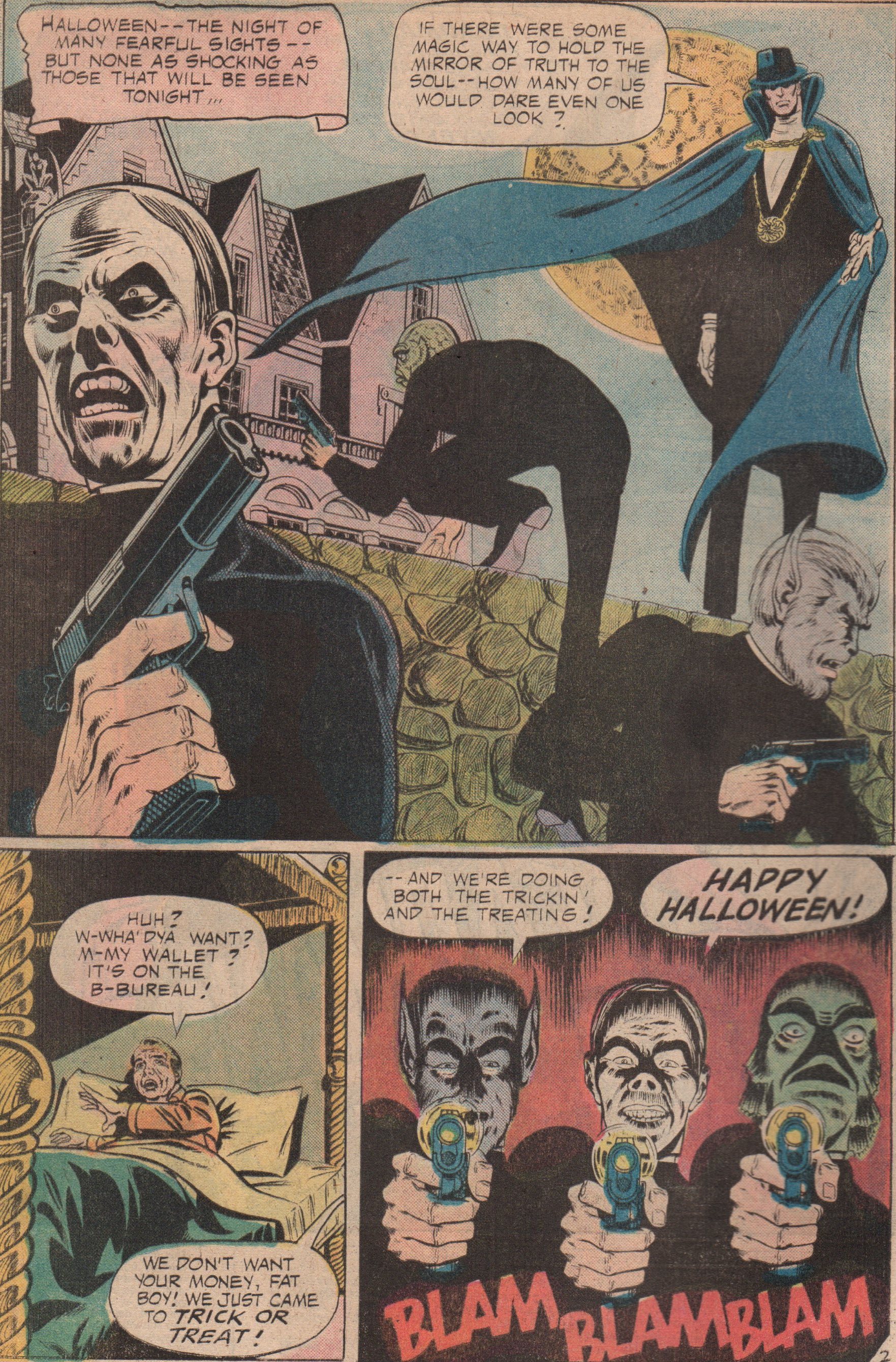
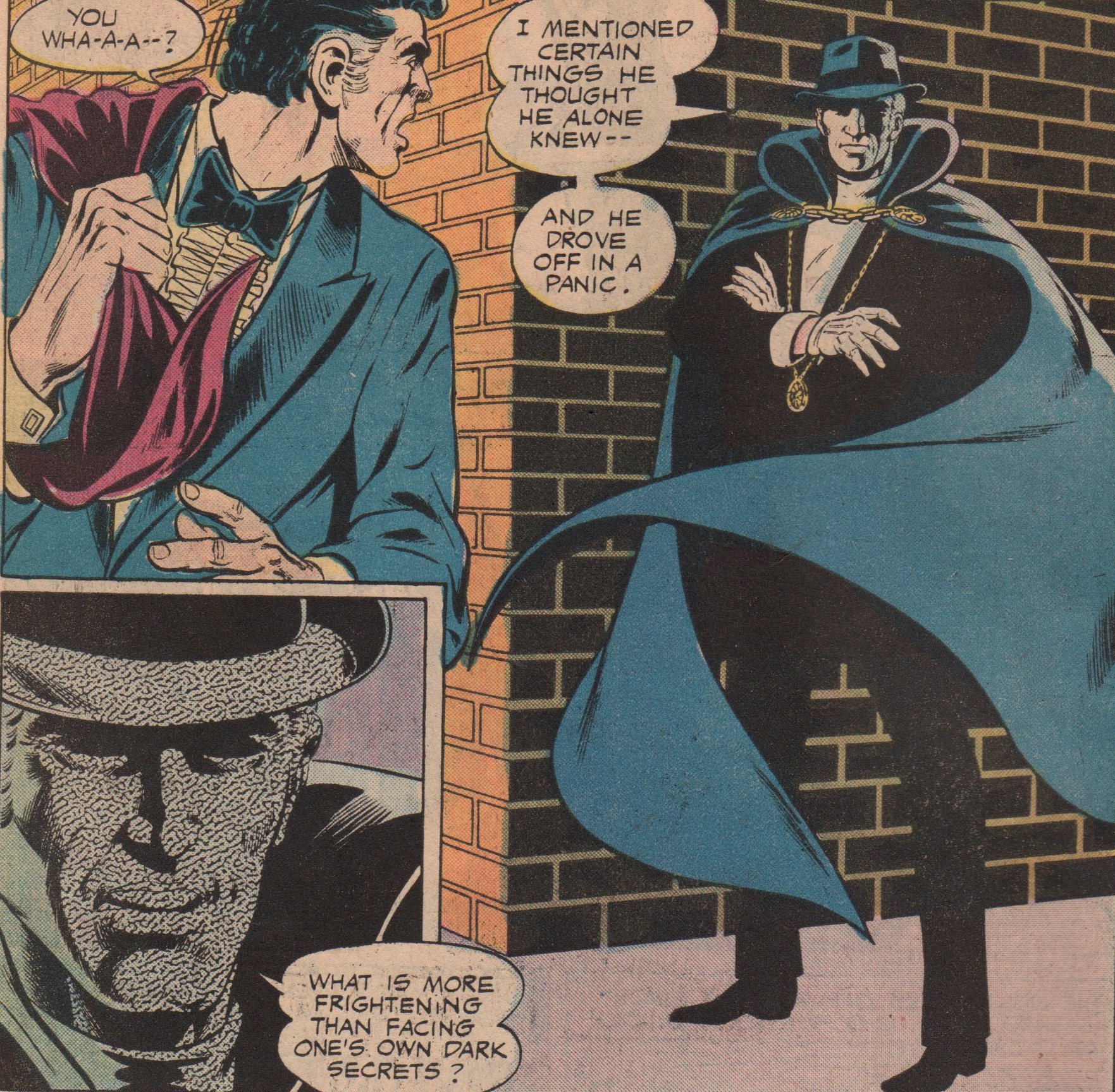
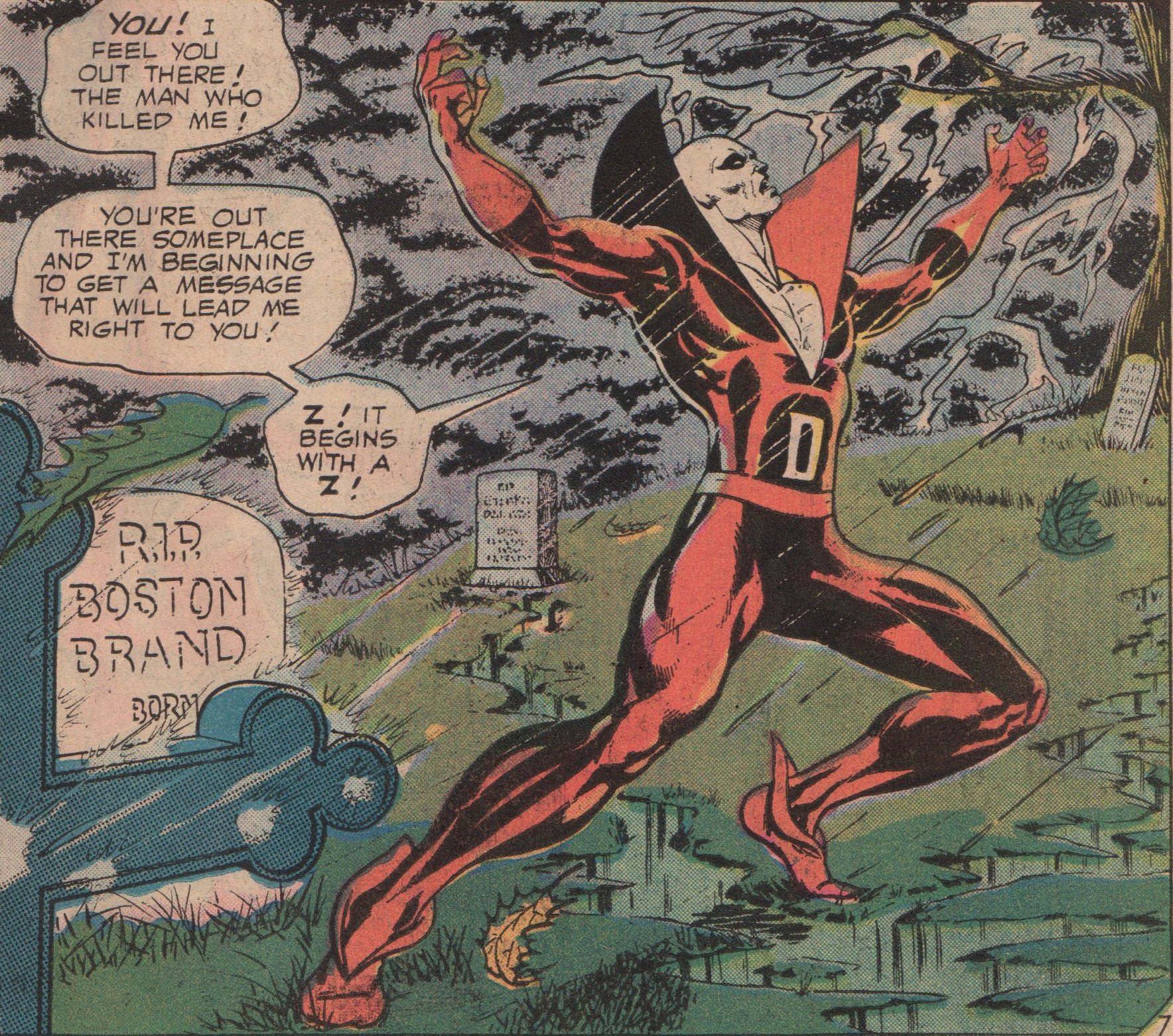
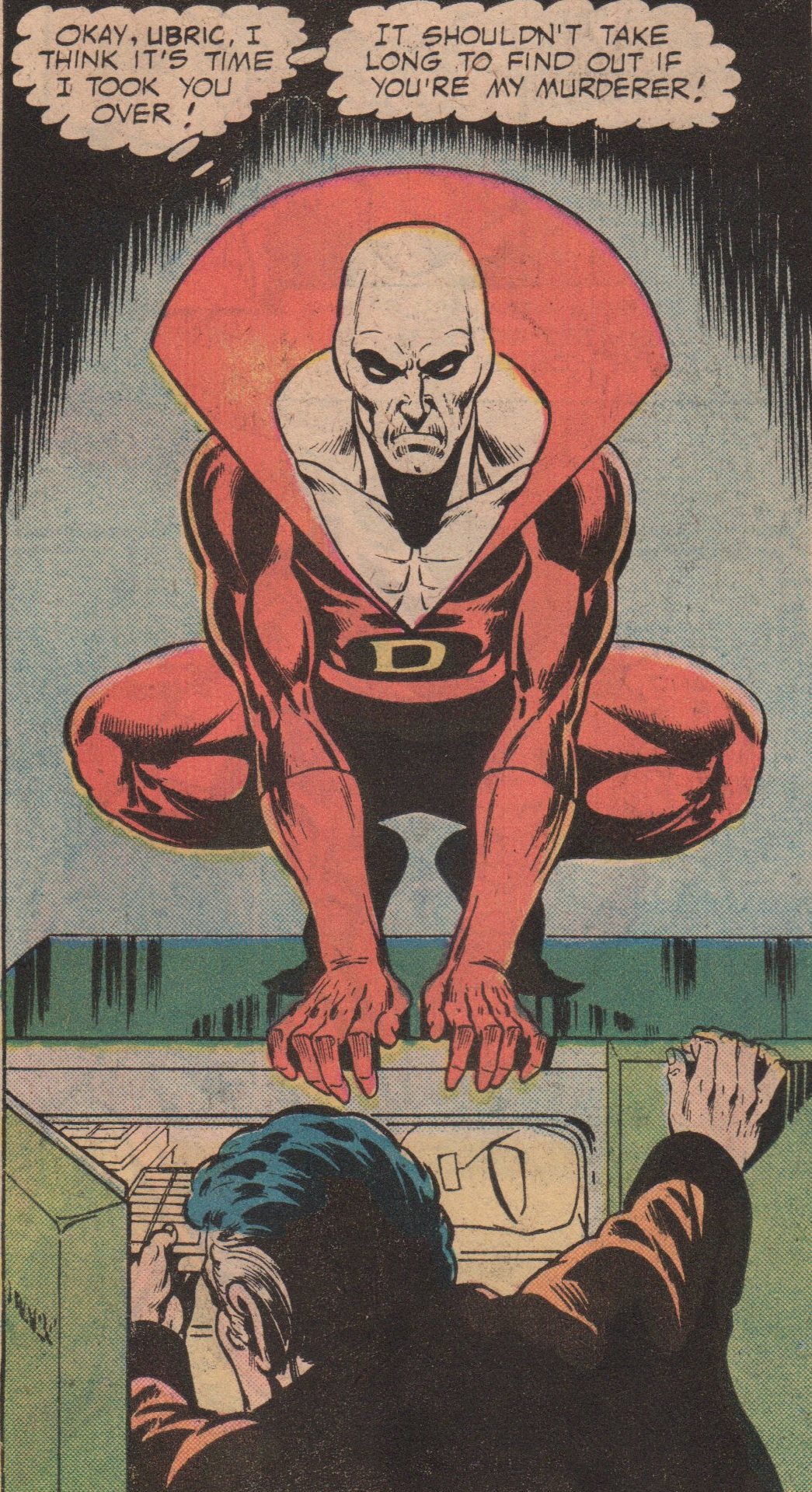
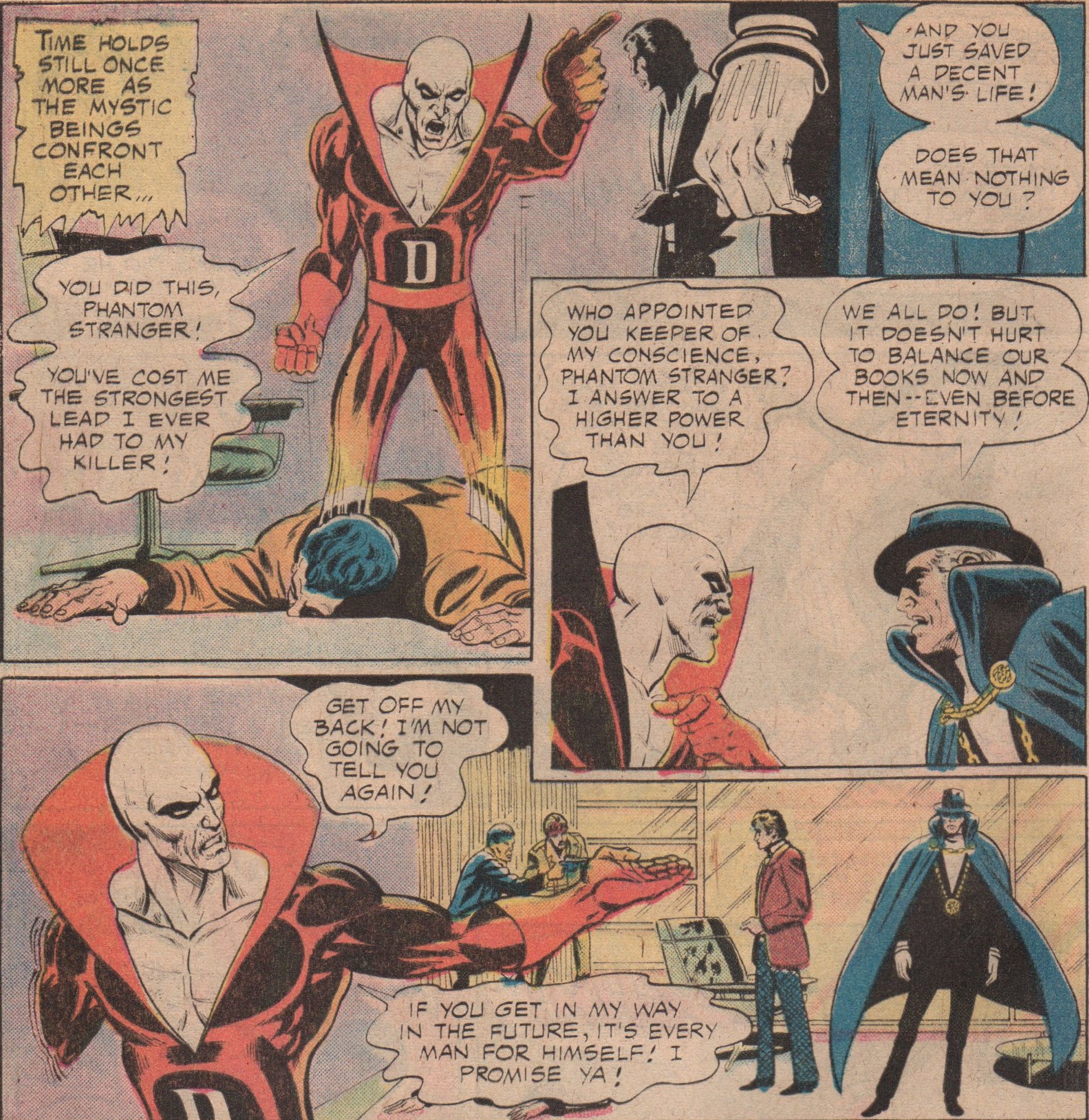
The Phantom Stranger 33, 1974 “Deadman’s Bluff!”

Supernatural characters are a huge draw for me. Whether it’s movies, television, comics, etc., they always seem to deliver a little something extra you don’t always get from superheroes. Now, take two of these characters, put them in the same book, and you’ve got something special! On one side, you have Deadman- a temperamental ghost that inhabits the bodies of the living to get things done.  On the other end of the spectrum, you have The Phantom Stranger. A guy who has been portrayed in a few different ways over the years with a couple of back stories. Both are intriguing, engaging, and unpredictable.

I’m starting to believe there might not be a better way to start off a comic from this genre than with a cover from Jim Aparo. To say that they’re eye-catching isn’t giving them their due justice, especially when dealing with the supernatural. The story is by Arnold Drake (RIP), a man who began his career in the 1950s, and worked on everything from The X-Men to Batman. Mike Grell (art) is a name most will know from his work on titles like Green Arrow, and a host of others. He’s one of those guys that don’t get mentioned very much but made some fantastic contributions to the industry and should get more credit. The legendary Joe Orlando was the editor of this great issue and rounds out the creative team.


img977

img978

img987

img988

img989

img990

img991


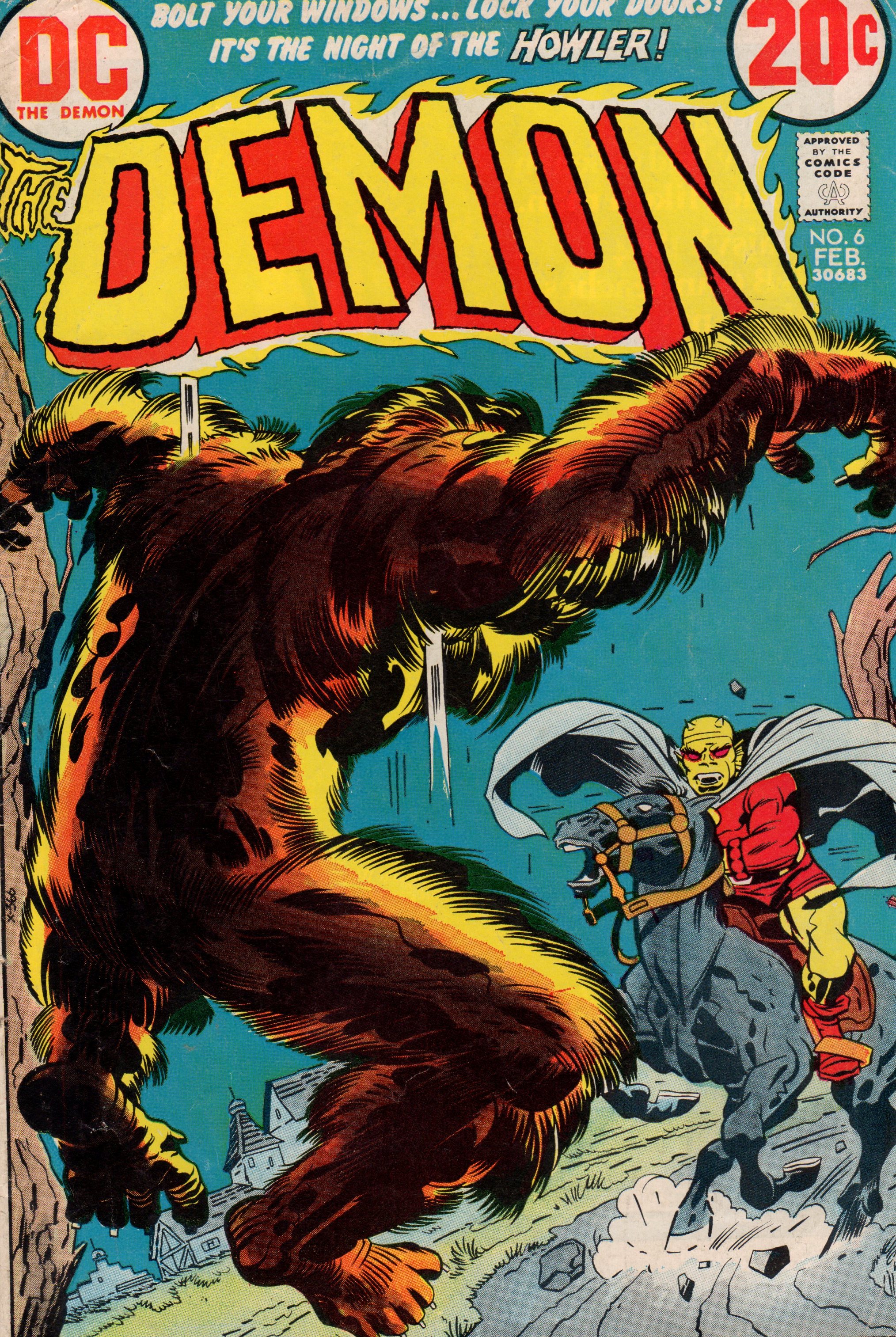
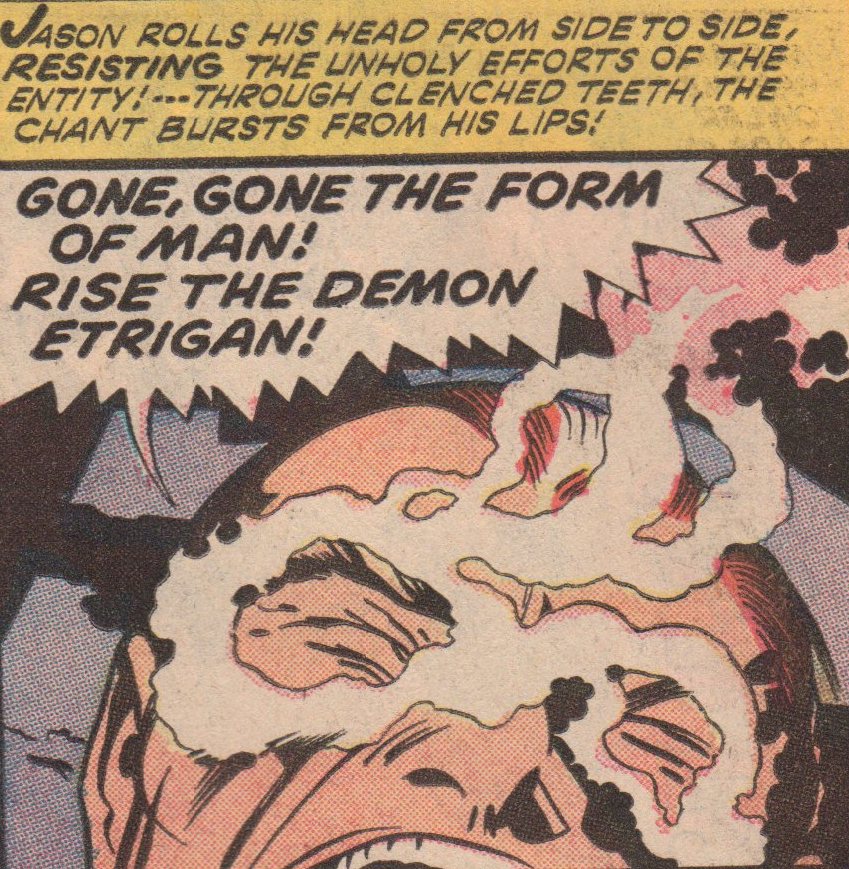
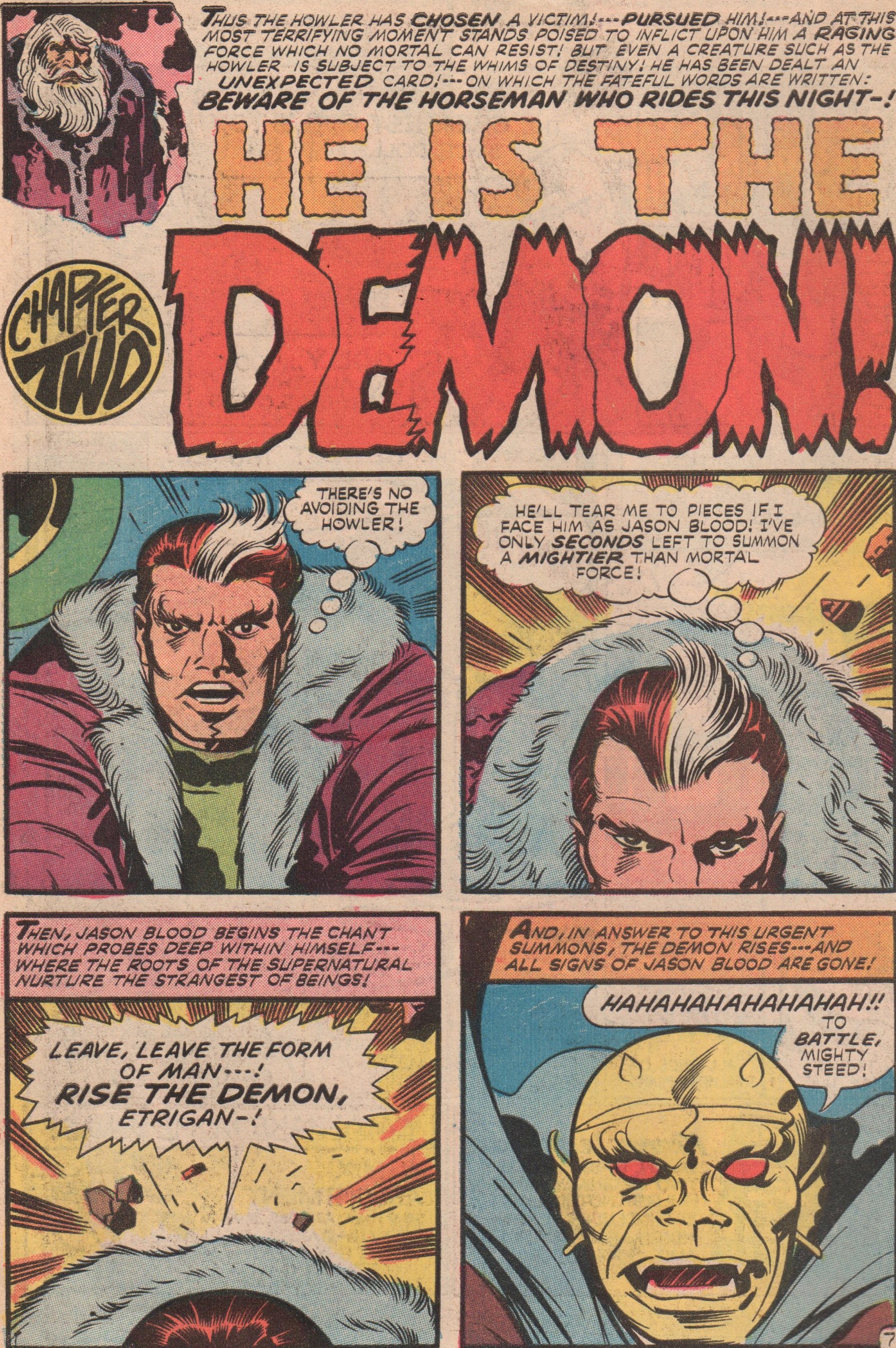
The Demon 6, 1973 “The Howler!”

The Bronze Age was a great time in comic books. After a long stint with Marvel Comics, Jack Kirby decided to take his talents to South Beach…oh, sorry wrong guy. He decided to take his enormous talents (back) to DC Comics, where he could have free reign over the books he was going to create. This allowed the king to really go wild and let his imagination run free. One of the best things he created was the character called, Etrigan the Demon! Many have probably heard of this character, but might not have read any of the short-lived series. It’s definitely worth a look, especially when you see quirky issue like this one, where Etrigan battles a werewolf!

The exploits of Jack “King” Kirby (writer, penciler, editor), are well documented. That doesn’t mean myself and tons of others are ever going to stop slobbering over his greatness though. His imagination unbridled is simply astounding. After decades of creating, the 1970’s brought no slow down for him, and just solidified him even more as one of the true greats (if not the greatest) in the medium of all time. The man who shared some of the spotlight during this era, was Mike Royer (inks). His inks on this book, Kamandi, and others, gave Kirby’s pencils a uniformity and that’s definitely a compliment to his work.


img969

img970

img971

img972

img974

Giant-Size Werewolf 5, 1975 “The Plunder of Paingloss”

In my time-honored tradition of spotlighting goofball villains, this one is a doosie! When the front cover of a comic book exclaims…”The Peril of Paingloss,” it’s a pretty safe bet that you’re in for something wacky. That said, Werewolf by Night could fight a troupe of clowns and I’d buy it, so maybe I’m not the best measuring stick for this one. Moving on, Jack Russell and his confidant, Buck Cowan, end up embroiled in some mystical mayhem that almost kills the two of them! Yes, by the mighty Paingloss (try to hold back your laughter)!

I didn’t know who the creative team was on this one until I got it home and checked it out. I wasn’t shocked to see the name Doug Moench (writer) in the credits. He did plenty of work on this title and during this period for Marvel. You could always count on a solid script/story with him at the helm. The artist is one that I’ve seen before, maybe once or twice, and Yong Montano (pencils/inks) definitely delivered in this issue. The letterer is another name that doesn’t evoke the Bronze Age feel, but Marcos Pelayo does a fine job. The rest of the cast is the usual bunch of stalwarts in Len Wein (editor), George Roussos (colors), and a wonderful cover by Gil Kane (pencils) and Tom Palmer (inks)! There are a couple of back-ups as well, and one features art by the legendary, Joe Orlando!


img955

img956

img957

img958

img959

img960

img961


The Incredible Hulk 228, 1978 “BAD MOON ON THE RISE!”

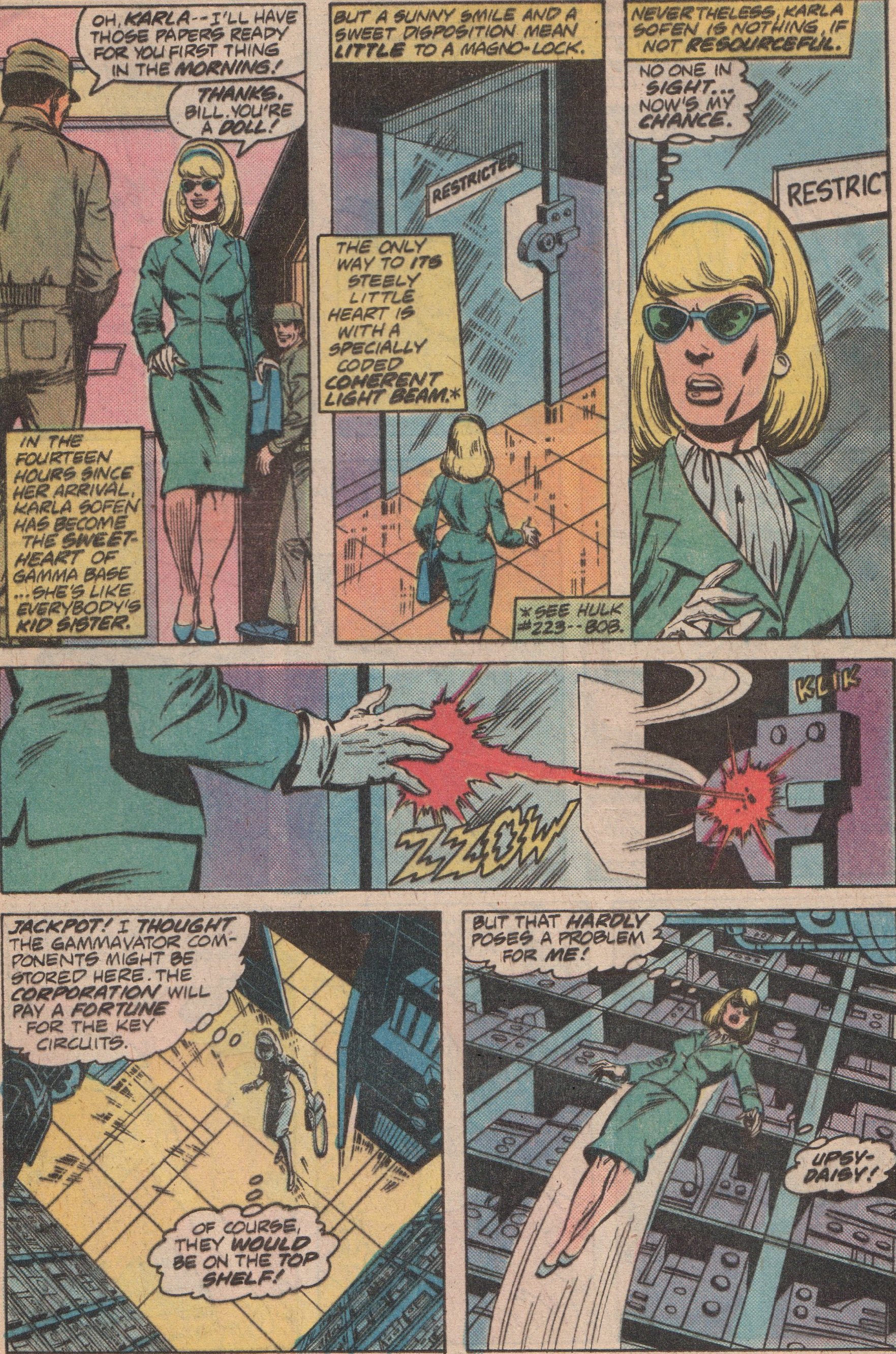
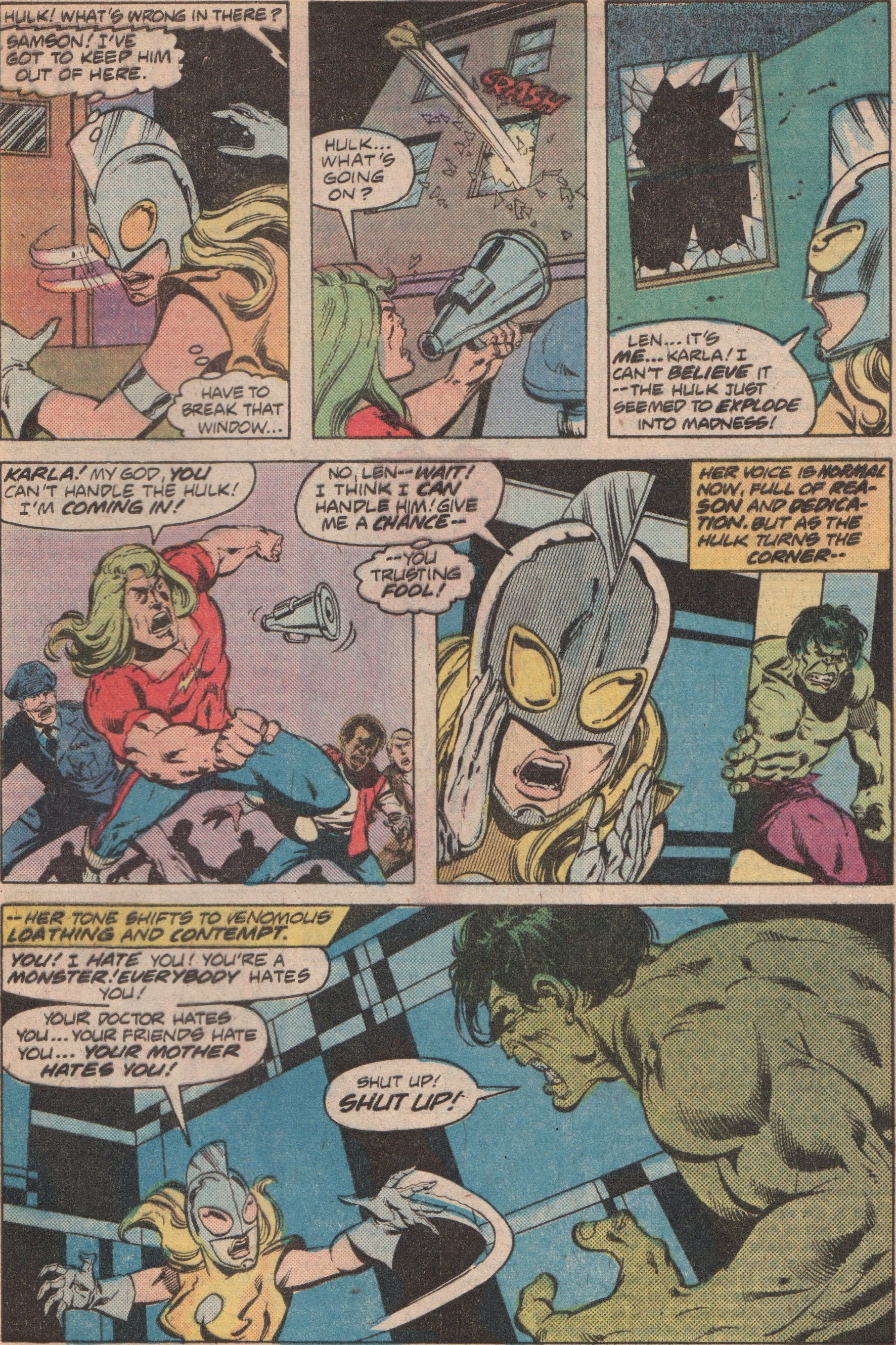
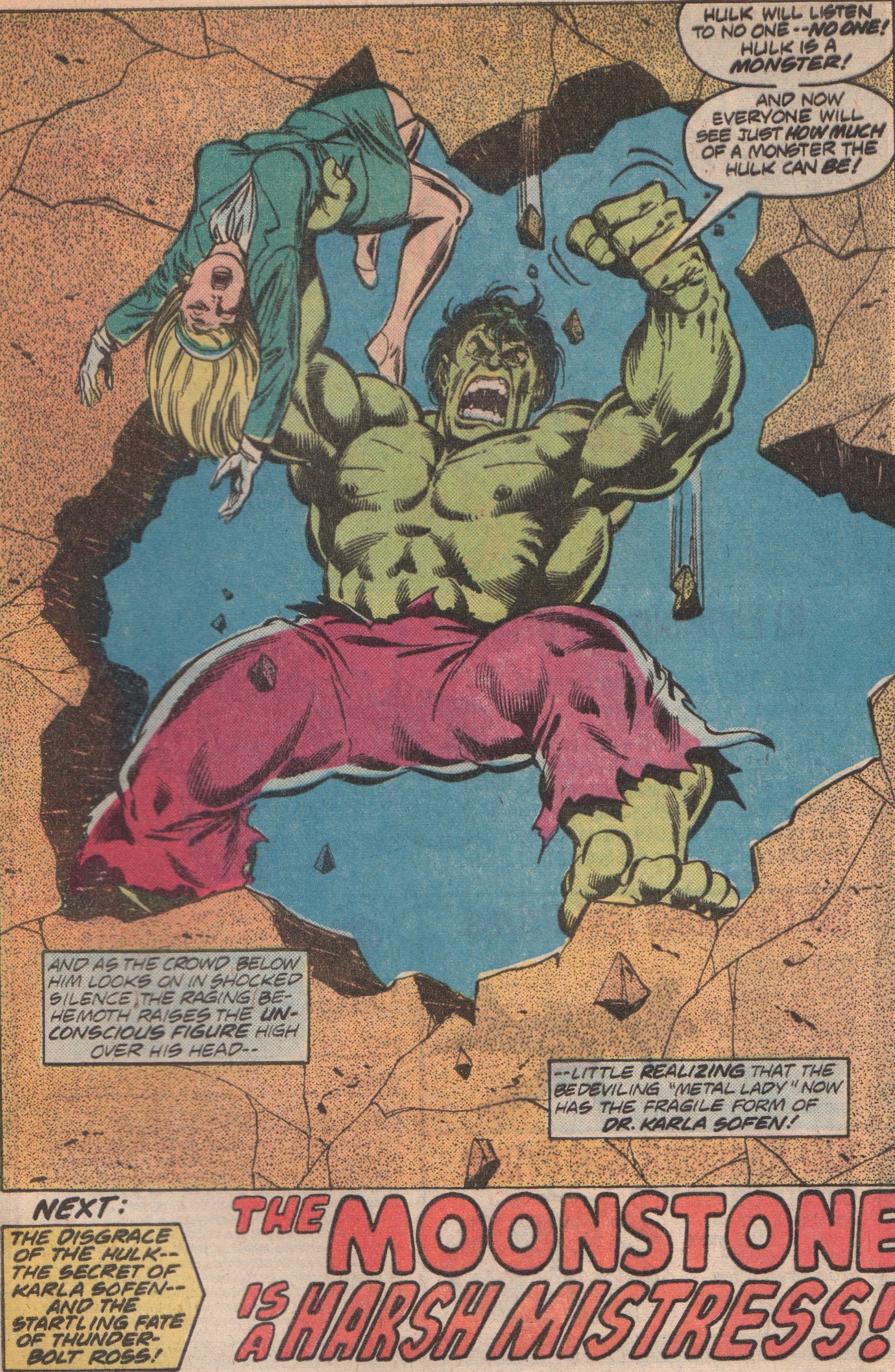
Ever feel alone? Like no one else even cares? The Hulk knows about these things, and a lot more! Bruce Banner/The Hulk is one of the most interesting characters Marvel (Kirby and Lee) ever created. The scientific aspects, the pain Banner feels when he realizes what the Hulk does when he’s out of control, his love for Betty but not being able to be with her, her father wanting him dead, etc. This issue focuses on a character called Moonstone (the first appearance of this villain), and her shady beginnings. Also some Doc Samson for fans of that character.

The cover to this book is one of my all time favorite for this character, and exactly why Herb Trimpe (R.I.P.) is such an under-appreciated artist (inks by Bob McLeod). His work spanned several decades and I think we should all give him more love, yes even if it is posthumous. The story is written by two gentlemen, and both are names that you will easily recognize. Roger Stern and Peter Gillis did a fine job on this one, and showed all the classic tropes that made the Hulk such a wonderful, and sympathetic character. The interior artwork is a great team, and anytime you get Sal Buscema (pencils) and Bob McLeod (inks) together, it’s a good time. The colors are by Phil Rachelson, the letters by Bruce Patterson (Bob Hall, editor).


img948

img951

img952

img953

img954

img950

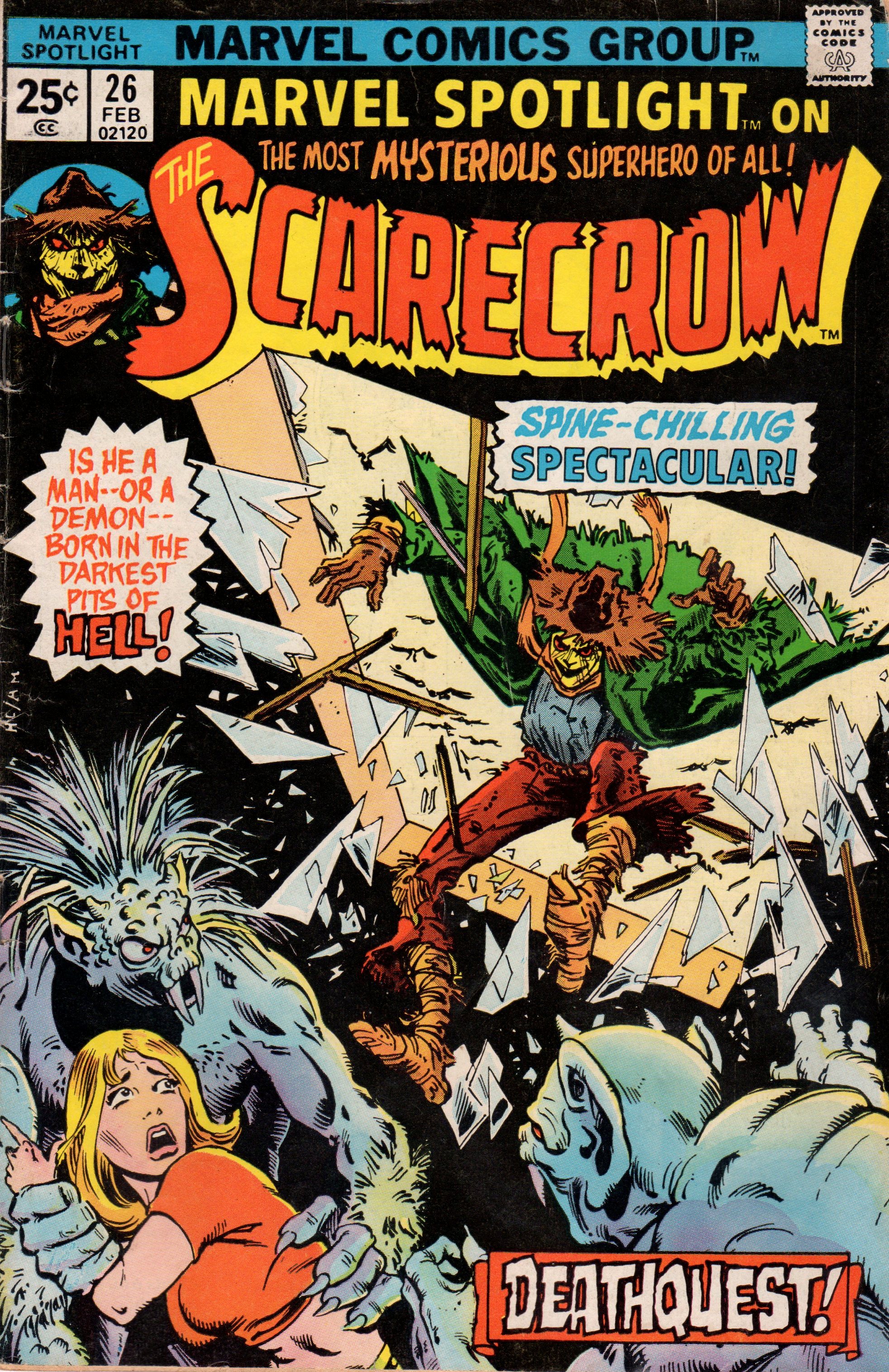
Marvel Spotlight 26, 1975 “Death Waters of the River Styx”

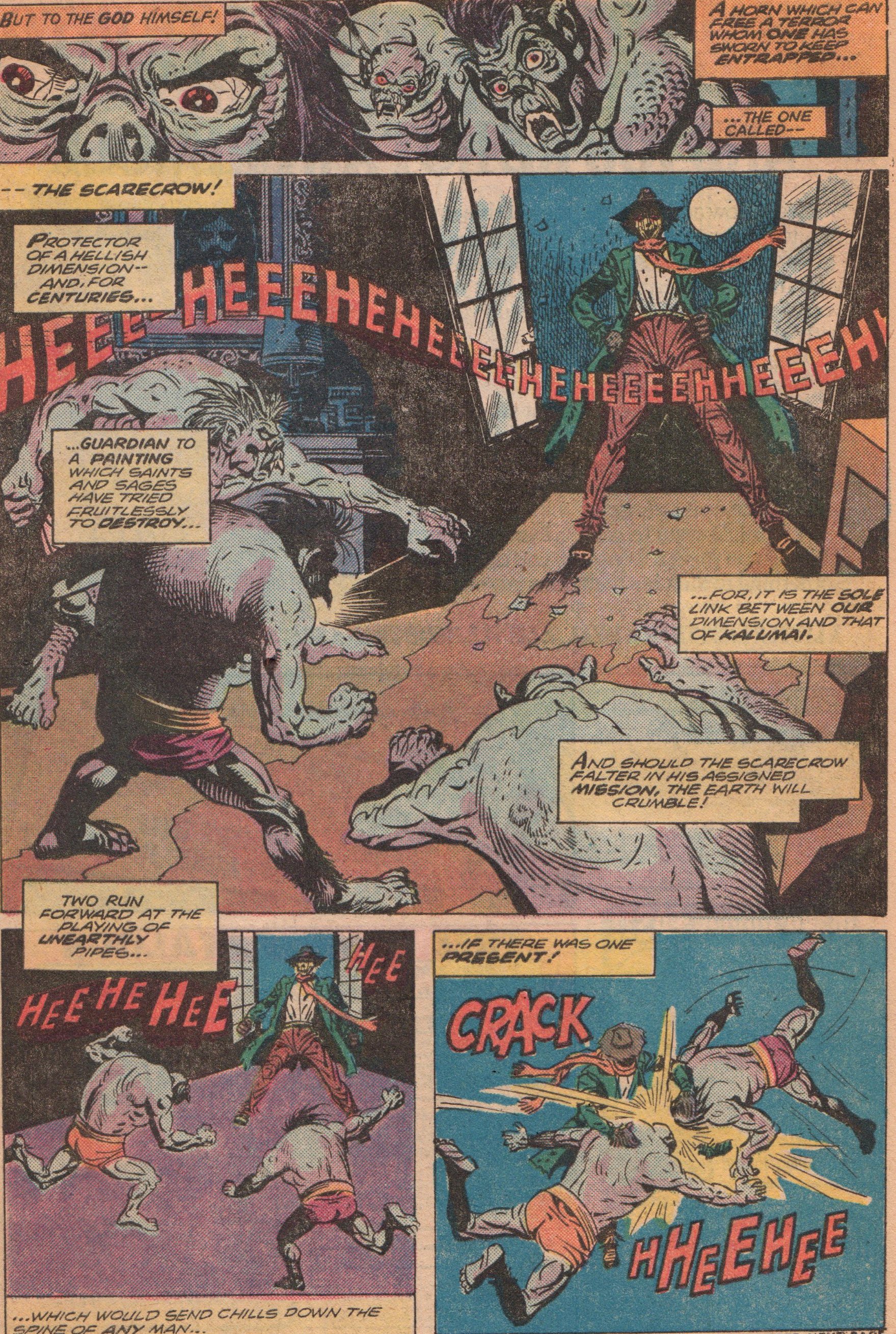
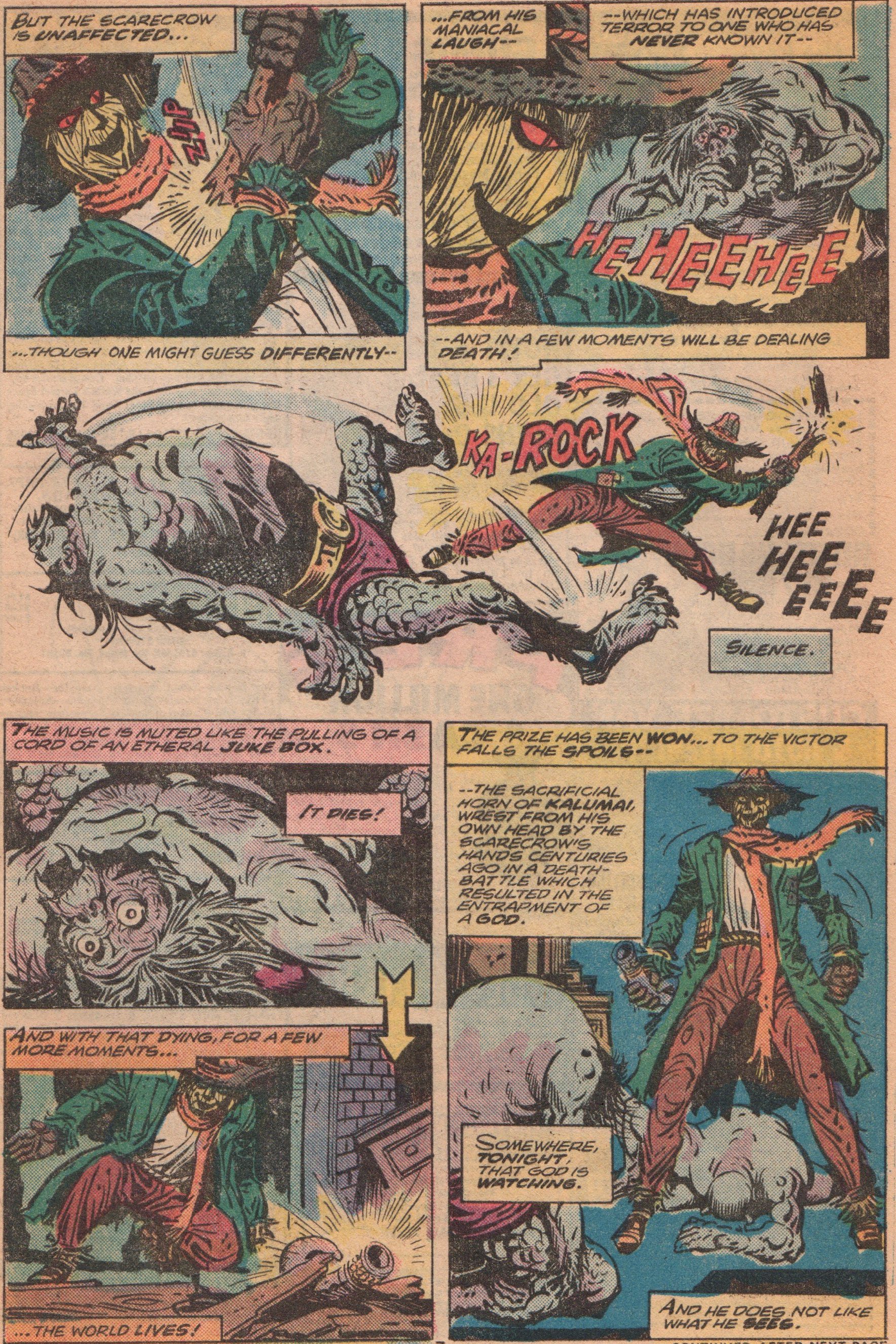
Goofball villains are a thing of beauty. Any writer/artist that can make them interesting enough to buy a comic that has them in it, is a genius. Throw in some extra-dimensional demons, a chick that knows martial arts from her “street fighting” days, and some slap-stick comedy, and you’ve got a winner. Even though the Scarecrow only made a few sparse appearances, he’s definitely one of my all time favorites!

Scott Edelman (writer), a bit of a journeyman writer that really didn’t have any long runs on one title. He’s one of those guys that wrote for many titles in his career (mostly Bronze Age), filling in and doing one-shots. Artist Ruben Yandoc (pencils and inks), didn’t have a very long career, but did do most of his work for DC comics (after a career in the Philippines, apparently). Colorist, Petra Goldberg, letter, San Jose, and editor Marv Wolfman, round out the interior team! Although I don’t care for his later work, Howard Chaykin (pencils) has done some outstanding work from the Bronze Age, and along with Al Milgrom (inker), they provide a solid cover, showing just how crazy this character can be!


img930

img931

img932

img933

img935

img937

Cinema Sunday: Frankenstein Must Be Destroyed (1969)

frankie1

Title: Frankenstein Must Be Destroyed

Distributor: Hammer Films/Warner Bros.

Writer: Bert Batt

Director: Terence Fisher

Producer: Anthony Nelson Keys

Starring: Peter Cushing, Veronica Carlson, Freddie Jones, Simon Ward

Released: May 1969 (U.K.)

MPAA: PG-13


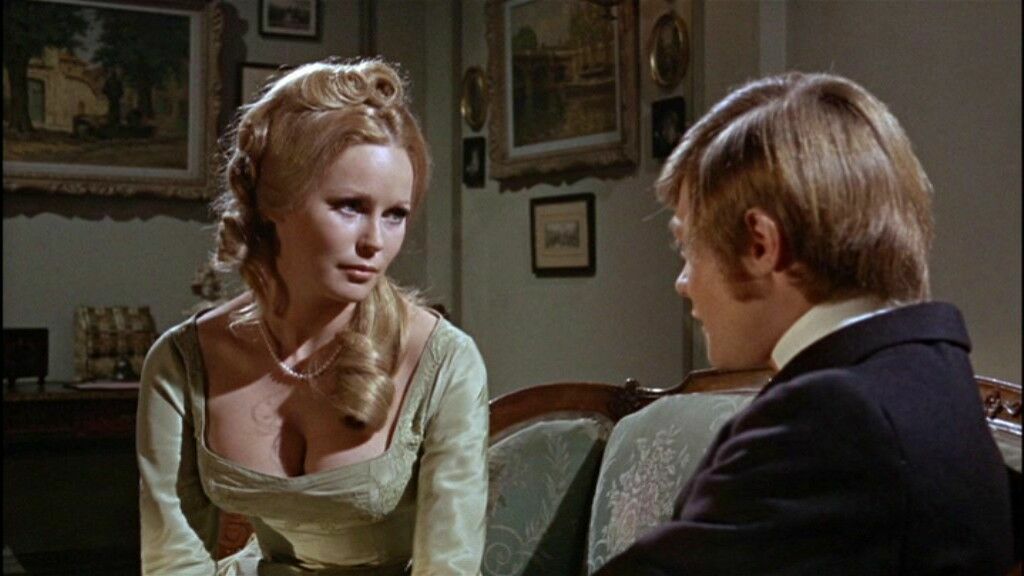
After focusing on a film starring Christopher Lee last week, I couldn’t help but gravitate towards a film starring his Hammer Films counterpart, Peter Cushing! I’ve just about exhausted all Hammer’s Vampire/Frankenstein’s Monster films, but this little gem remains! A controversial film to say the least, this is one that features not only Cushing, but also the gorgeous Veronica Carlson! She’s one of those few starlets that lights up the screen when she appears, and plays a great counterpart to evil Doctor Frankenstein!

Cushing only did one more Frankenstein film after this one (Frankenstein and the Monster from Hell), and I’ll eventually get to it down the road, but for now, let us traverse back in time, to the turn of the century. To a time when a villain like Dr. Frankenstein could get away with his ghastly experiments!


FrankensteinDestroyed1

The film begins with a doctor walking down a foggy street, heading for his office. He’s suddenly accosted by a man who’s carrying a basket and some bladed weapon. The man (not seen clearly) slices the doctor’s head clean off! Just then, we see a burglar (Harold Goodwin) trying to break into a home. He hears footsteps, and cannot complete his mission, so he tries the nearest doorknob, and successfully gains access to another house. He wanders around for a few seconds, and then sees a laboratory filled with unusual devices and even a frozen corpse! He gets startled, and crashes into a table. The noise alerts the man whose home he’s broken into (the same man that frightened him into the home in the first place). As the burglar waits, he hears footsteps drawing nearer. He’s then confronted by a horrifically scarred man, and the two then fight. As the two brawl, a basket gets kicked over that the scarred man was carrying. A head comes rolling out, and we now know that it was the head of the doctor who was murdered just minutes before. The burglar eventually gets away, and the other man removes a mask, and it’s revealed that it is Dr. Frankenstein (Peter Cushing) himself!


FrankensteinDestroyed2

The doctor realizes that the man will go to the police in all likelihood, so he opens a hatch in the floor, and dumps the body (and kicks the head down like a soccer ball), into a stream below. The burglar runs into a policeman, and then is taken to the station. After confessing, the police arrive and surmise that the man who beheaded the doctor earlier is probably the same man who had this secret laboratory. They then begin their investigation, and it’s headed up by Inspector Frisch (Thorley Walters), who’s an odd fellow to say the least. He doesn’t seem to have any ideas as far as who the killer may be, nor does he take advice from his fellow investigators.


FrankensteinDestroyed3

As Dr. Frankenstein leaves the house he was occupying, he then finds a room for rent on the other side of London. He knocks on the door and is greeted by Anna (Veronica Carlson), and with her mother currently elderly and ill, she is running the boarding house. We then switch to a local asylum, where a woman is screaming like a banshee. We are introduced to Dr. Karl Holst (Simon Ward), who is a very prominent young doctor employed there. He looks in on another patient, Dr. Frederick Brandt (George Pravda), who has had a traumatic brain injury, and cannot even speak. The other doctors at the asylum believe he cannot be cured. Back at the boarding house, the other four tenants are discussing Dr. Brandt, and then after Dr. Frankenstein enters the room (under an assumed name), and they involve his name in the conversation. He tells them it’s fools like them that have blocked progress for centuries. They get furious with him, but he leaves (like a boss).
 

frankensteinmustbedestroyed1

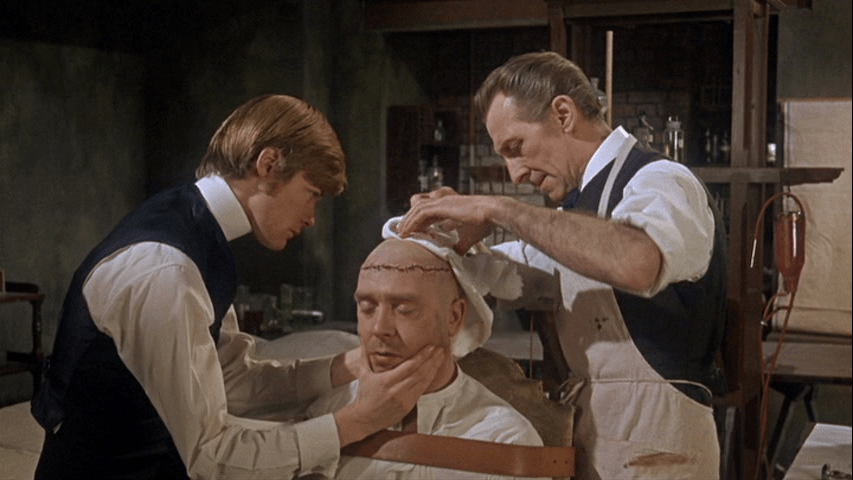
Later, Karl comes to take out his bride-to-be, Anna. He drops a box (of medicinal cocaine) on the doorstep, and then heads inside to see Anna. Dr. Frankenstein finds the box, and uses this leverage to blackmail them into service of his dastardly deeds. They’ve been using the stolen drugs to sell them to support Anna’s elderly mother. The next day, Anna tosses the other four tenants out on the street to make room for Dr. Frankenstein’s experiments. He then tells Karl that he means to repair the damaged brain of Dr. Brandt, a man whom he’d been corresponding with about brain surgery. Frankenstein and Holst rob a medical supply store, and Holst murders the night watchman in fear of being caught. Frankenstein then uses Karl’s place at the asylum to kidnap Dr. Brandt from the asylum, so he can remove his brain and put it in another body, and repair it during the process.


FrankensteinDestroyed5

Will Dr. Frankenstein succeed in his devilish plot or will Karl and Anna find a way to not only clear their names but also put an end to the devious deeds of Dr. Frankenstein?!?!


OK, here are my thoughts:

One scene aside, this is one of Hammer’s best films in the “Frankenstein’s Monster” franchise. It’s not the typical monster as was the first couple of films (and the Universal Studios film), in that the story revolves more around the doctor himself, and his machinations. Of course, when you have a lead like Peter Cushing this is possible. The supporting cast is great as well, and you get a wild actor like Thorley Walters, a solid job by a young Simon Ward, and the utter beauty and grace of Veronica Carlson (image below) to cap it all off.

At this point, Hammer was relying on film distribution companies in the U.S. to partially back their films, and of course, distribute them in America. So, in a roundabout way, they had some say in the content of the film itself. Hammer executive, James Carreras, demanded that director Terence Fisher (his first film back at Hammer after a few years break) add a rape scene to the film. This did not settle well with Cushing and Carlson (the two involved in the scene), but the did it, albeit begrudgingly. Quite honestly, the scene does seem a bit out-of-place, and for anyone that’s a Hammer aficionado, you’ll know that this isn’t something Dr. Frankenstein would’ve been interested in.

Definitely set aside some time to watch this one. It’s part of a great four film set by TCM Classics, and is one of my treasured compilations of Hammer Studios material!


frankensteindestroyed6


Click here for the trailer!
 

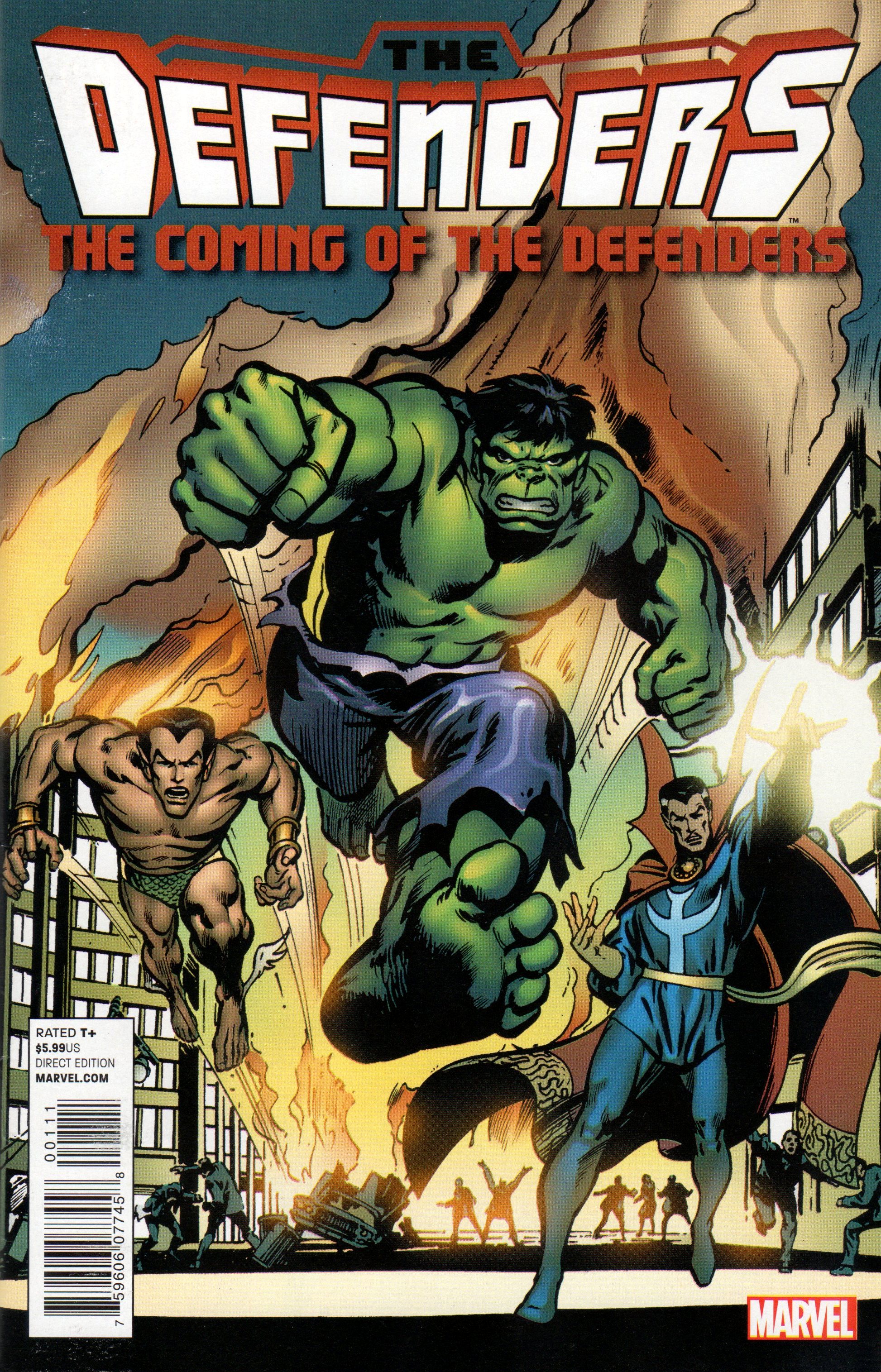
Defenders: The Coming of The Defenders 1, 2011 “The Return”

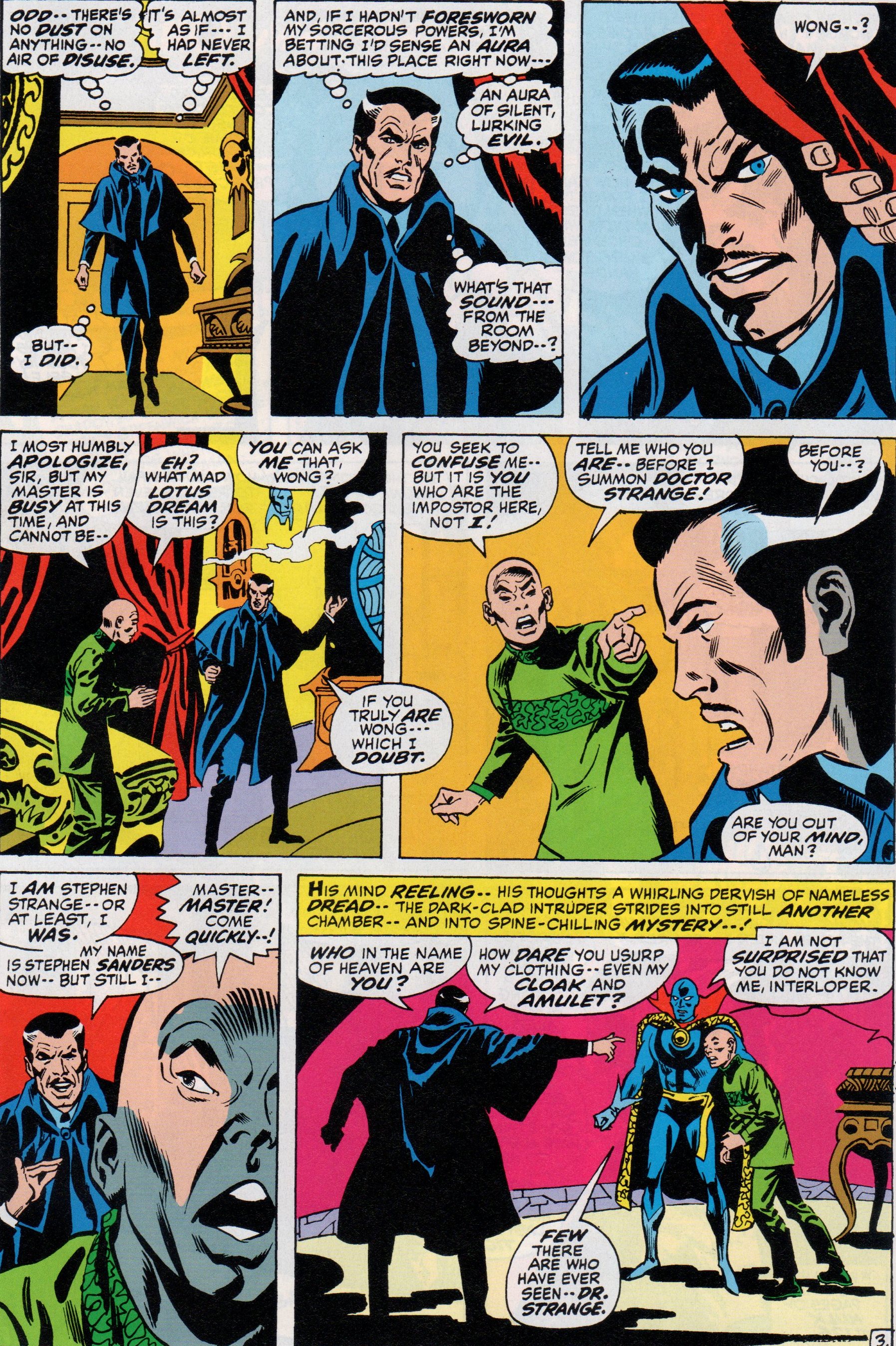
After a short break from posting (due to that absurdity called “work”), I’m back with a look at one of my favorite books of all time! Yes, and even though it’s a reprint, it still holds a huge place in my reading trophy case because it shows the formation of my second favorite team, The Defenders! To help pump up readers for the new series that came out that year (2012), Marvel reissued some of the classics that showed what an awesome team The Defenders were! The story shows how Dr. Strange faced an almost impossible situation, and called upon Namor and The Hulk to help him combat it (he actually peered in on the Silver Surfer, but he was knocked unconscious).

From the mind of Roy Thomas (writer), we get the beginnings of a most unusual, but also incredible teams in Marvel comics. Once the tam got their own title, and Steve Gerber began writing, it really went to another level. For now though, Thomas delivered the goods, as he just about always did in his career. The penciling chores were handled by two masters, in Ross Andru and Don Heck (Heck did the backup story in issue 1 of Marvel Feature, showing us the return of Dr. Strange, Andru penciled the rest). As if those two giants weren’t enough, you get inks by Bill Everett, Frank Giacoia, and Sal Buscema! Letters by Sam Rosen and Artie Simek, and edited of course, by Stan Lee (cover by Neal Adams).


img913

img914

img907

img908

img909

img910

img915

img916

img917

img918

Marvel Two-in-One 51, 1979 “Full House–Dragons High!”

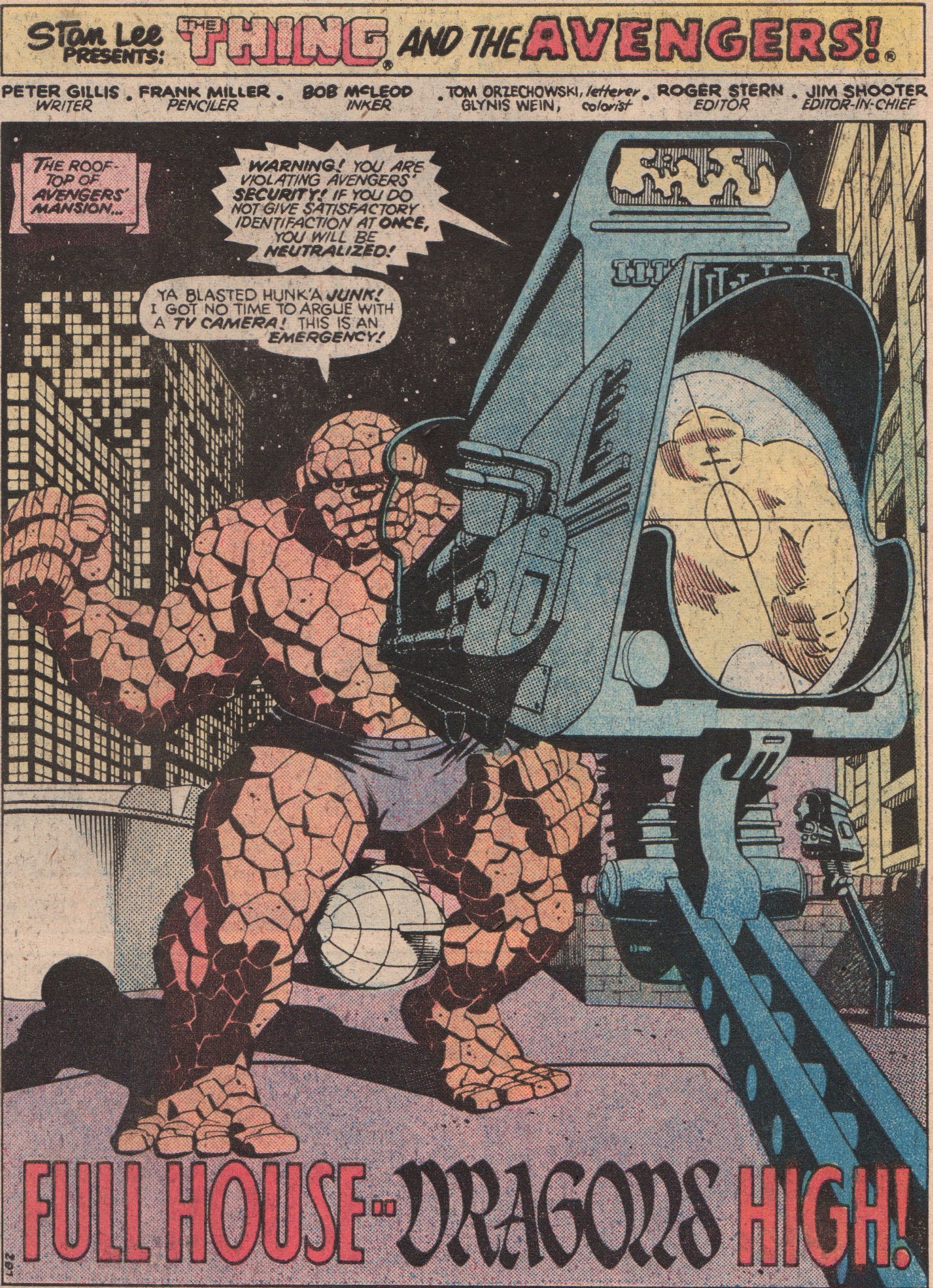
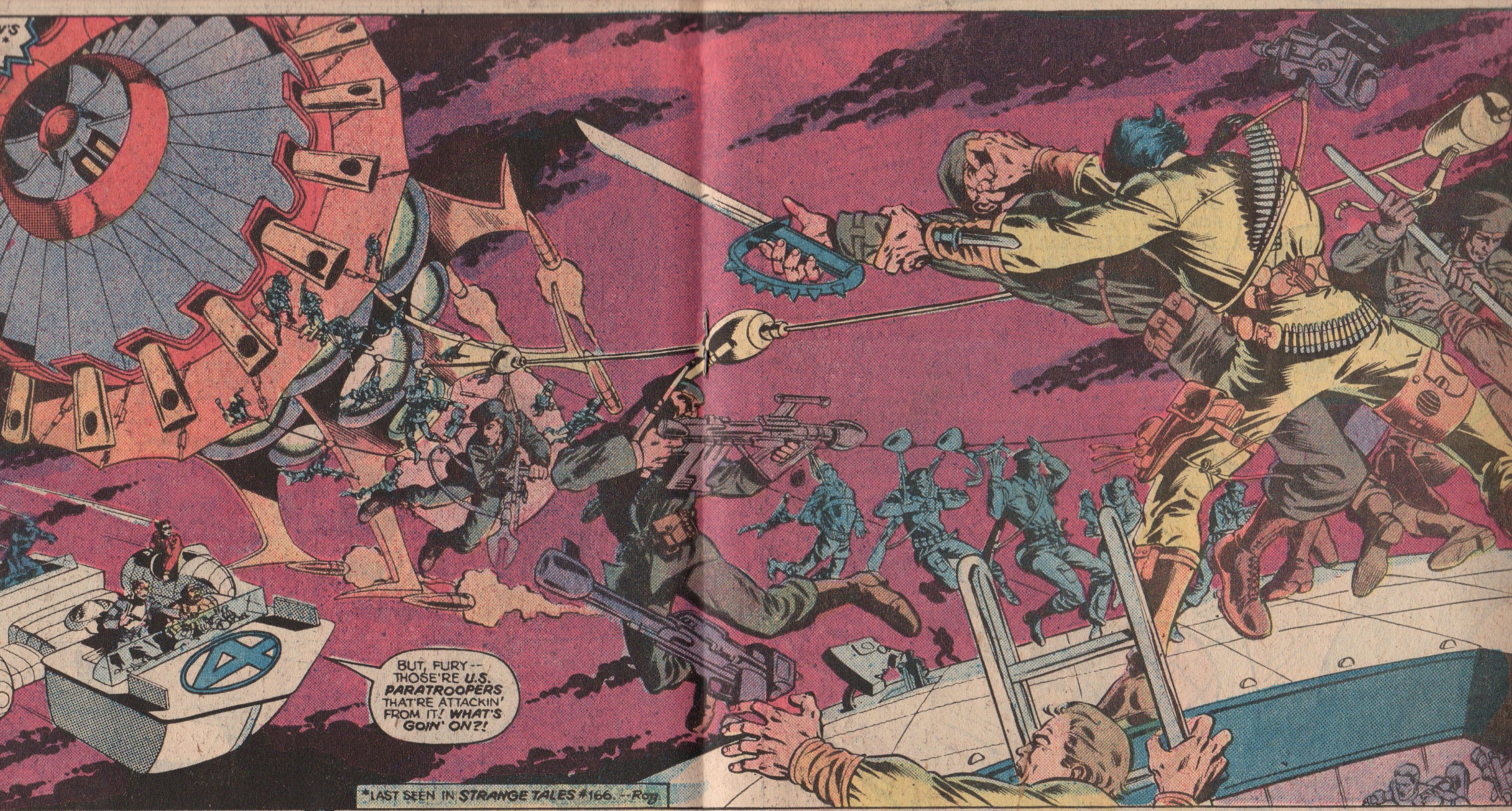
As the train rolls on, and Marvel Two-in-One is still at the forefront of my coconut, this issue that was a recent purchase is ready for the spotlight! Anytime you pair two superheros together, it’s a plus, but when you add several, then the odds have just increased substantially of the book catching the eye of a potential reader. Team books offer so much with all the varying personalities, potential strife, and vast array of powers, that you can’t get out of a solo book (although Doctor Strange is the best character and his ’74 series is the best of all time). In this marvelous tale, we see a few heroes gather for a night of poker, and companionship. We see Ms. Marvel, Wonder Man, The Beast, Nick Fury, Jarvis, and of course, The Thing (also a minor character named Blake Tower, a District Attorney from the pages of Daredevil). Good action issue, but honestly, it’s all about the personal interactions between the heroes during some “down time.”

Peter Gillis is a name I know from the pages of Doctor Strange. He wrote a few stories in that mag, and did a fine job. In this book, he does an excellent job of weaving the action in with the quiet moments of the book. Also adding some great banter between the heroes as they spring into action! The art team of Frank Miller (pencils) and Bob McLeod (inks), really bring their “A” game on this book! One page in particular shows the heroes in shadow, in a smoke-filled room playing cards that is outstanding. No Bronze Age book would be complete without the letters of Tom Orzechowski and colors of Glynis Wein! And if that wasn’t enough, you get the legendary Roger Stern (another great name who has also written some very good Doc Strange stories!) as editor! And, last  but not least, you get a bonus as George Pérez and Joe Sinnott give us this fabulous cover!


img870

img871

img872

img873

img874

img875

img876


Marvel Two-in-One 24, 1977 “Does Anyone Remember…The Hijacker!?”

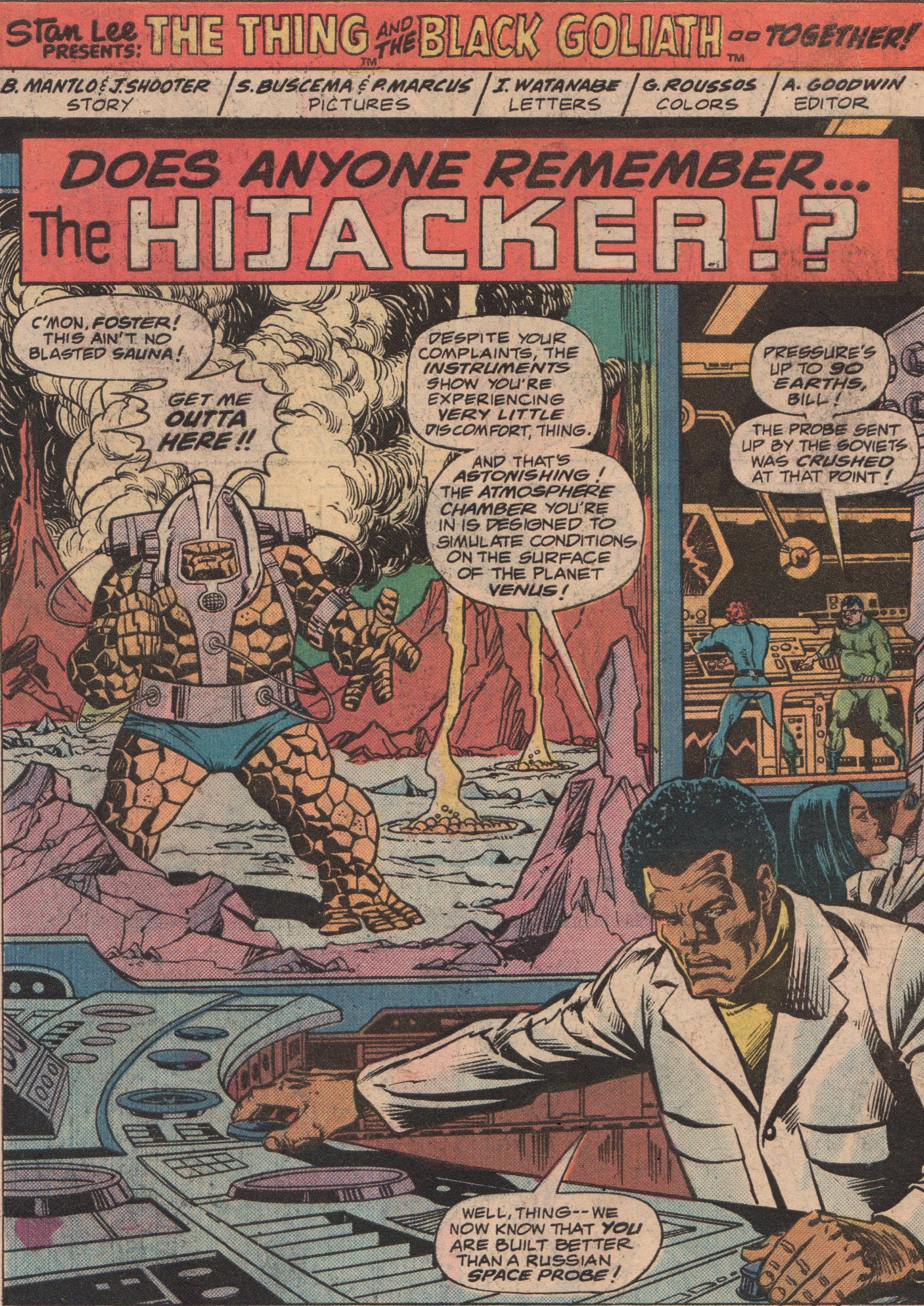
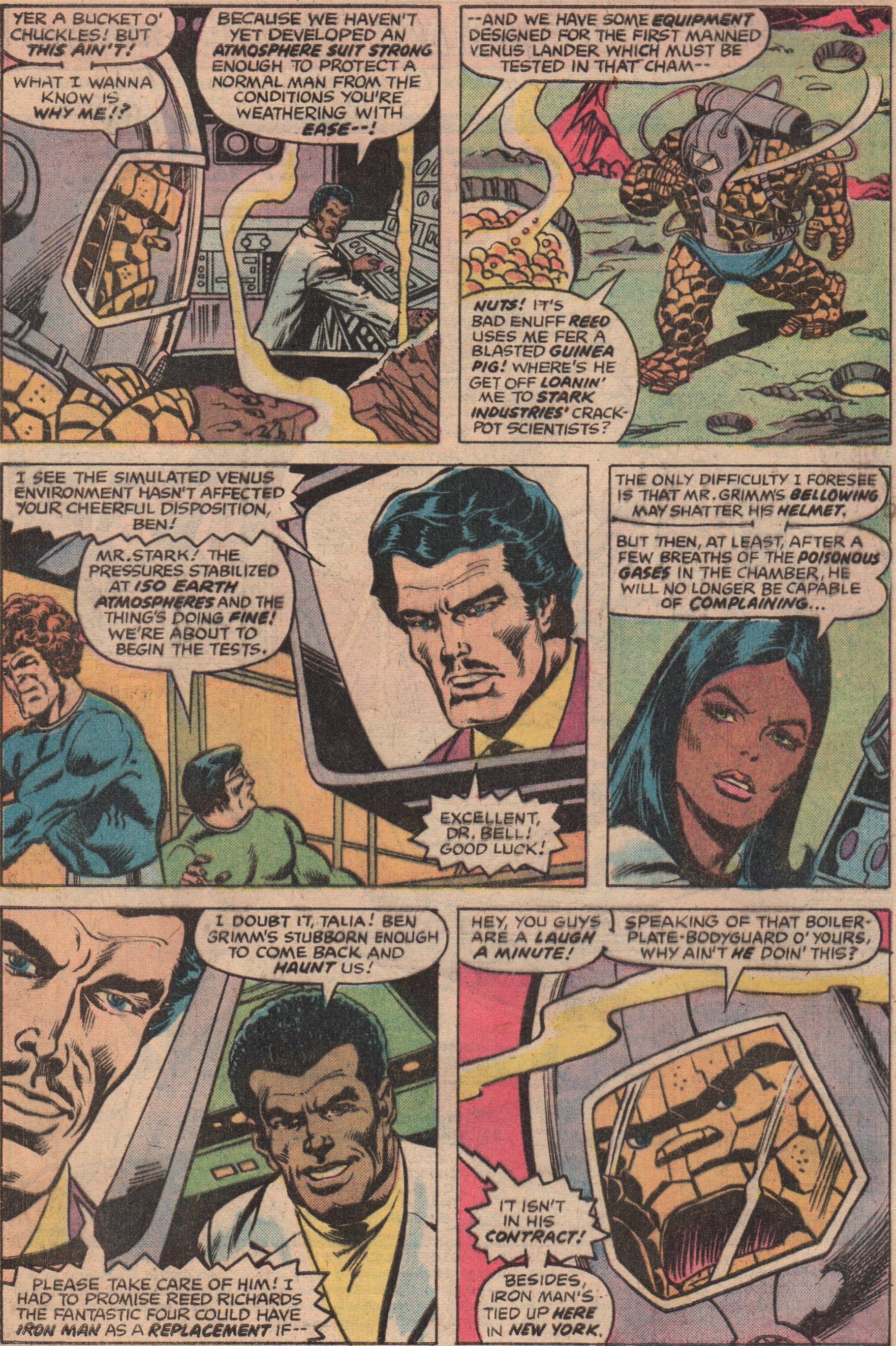
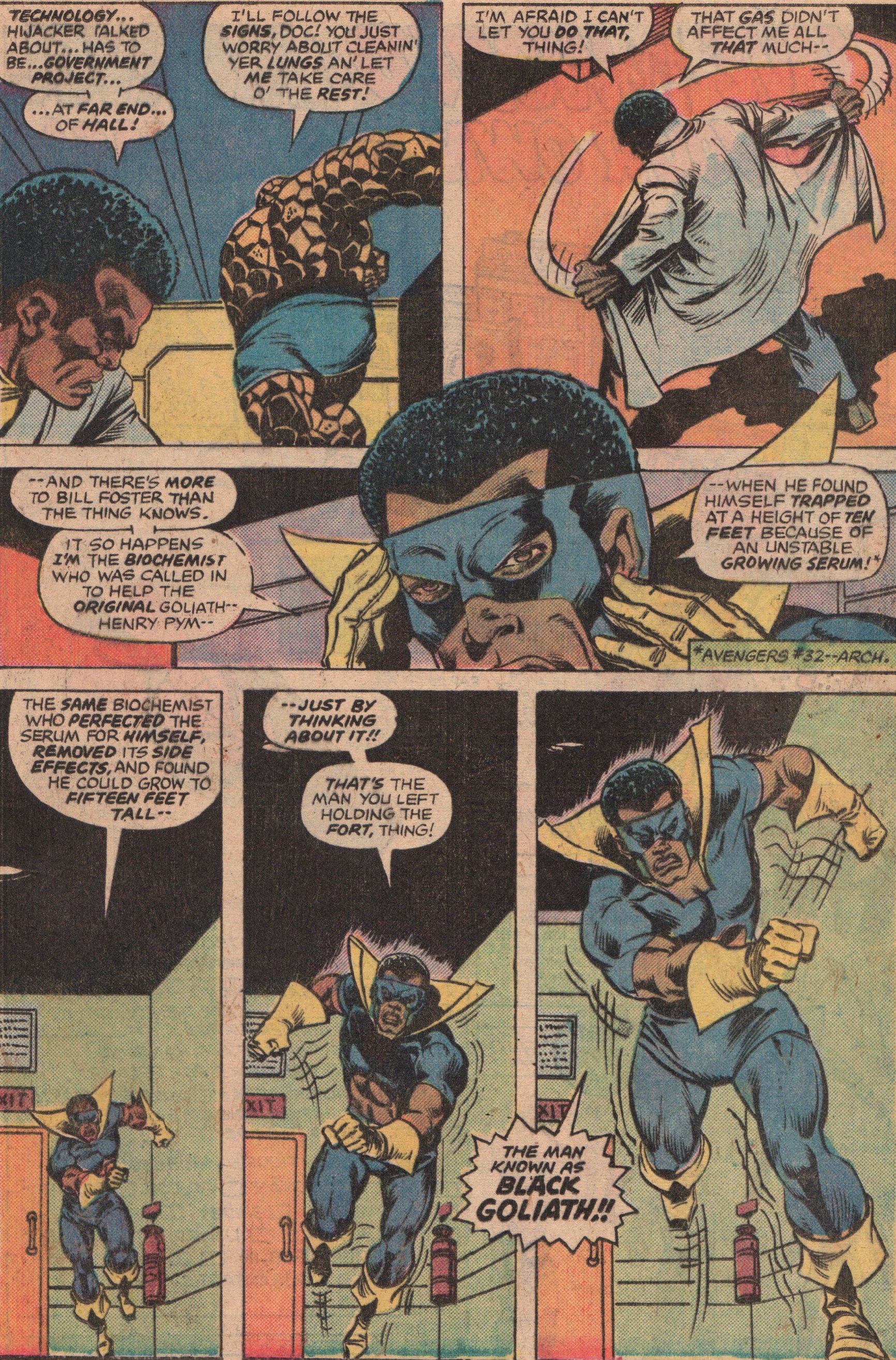
While I don’t “remember the Hijacker,” I do know an awesome villain when I see one! Brought to life during the great, but short-lived series “Black Goliath,” This little known villain is so generic he’s awesome! Marvel’s sister titles, Marvel Team-Up and Marvel Two-in-One, were both exquisite in their own strange way. Both offered characters that even casual fans would recognize, but once in a while, they’d throw a curveball at you, and have a villain (or even sometimes someone/thing from pop culture) that was completely off the wall. This is one of those times of awesomeness.
The name Bill Mantlo (writer, with an assist from Jim Shooter), is one that I hold is high esteem. Many times I’ve picked up a comic book and after reading it, was not shocked to find out it was from the mind of this gentleman. The art team is composed of two masters. Sal Buscema (pencils) and Pablo Marcos (inks), are two staples from the Bronze Age that really resonate with fans of that era and beyond. Irv Watanabe (letters) and George Roussos (colors), are also a couple of names synonymous with that period, as is editor, Archie Goodwin!


img861

img862

img863

img864

img865

img866


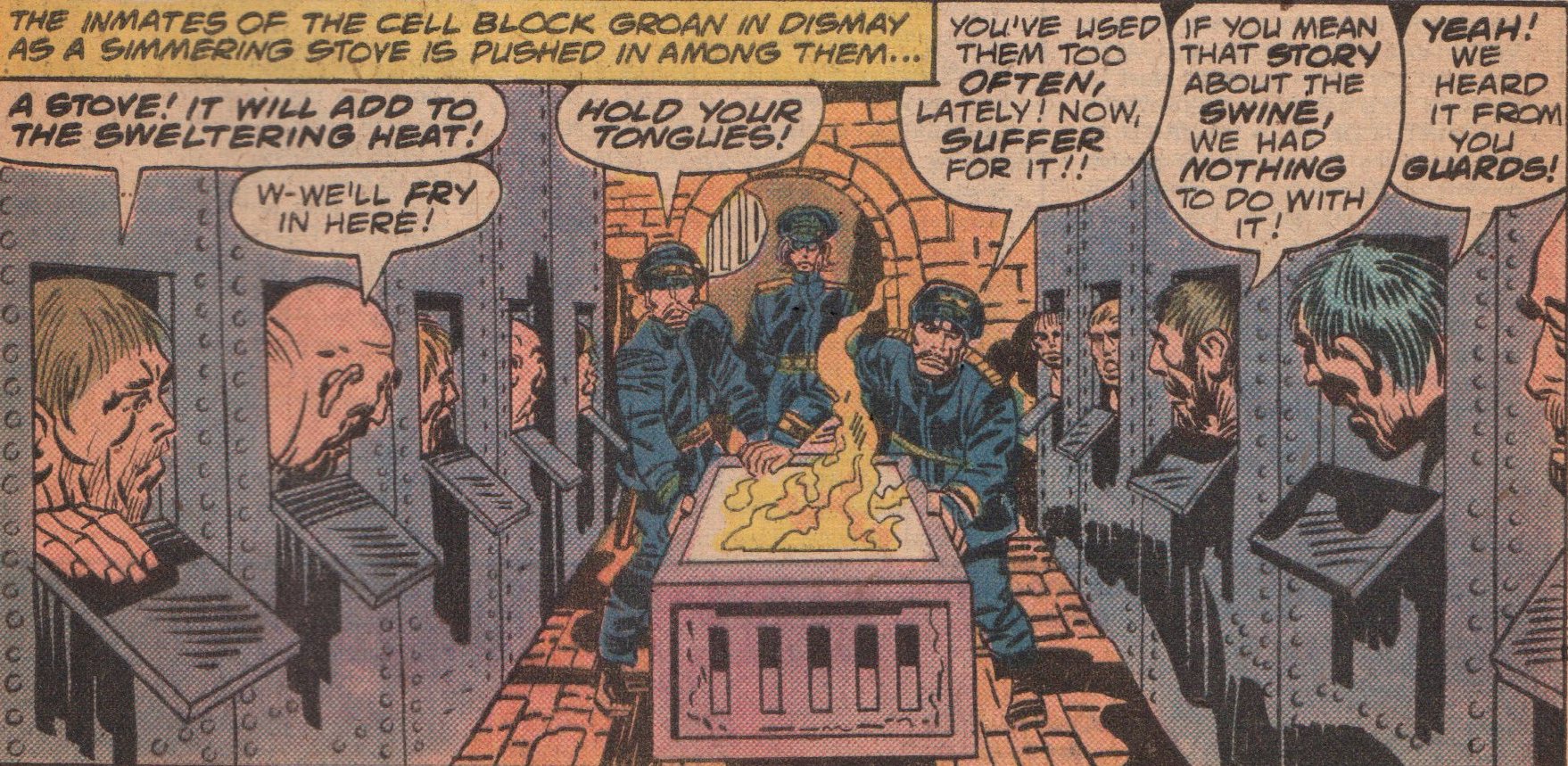
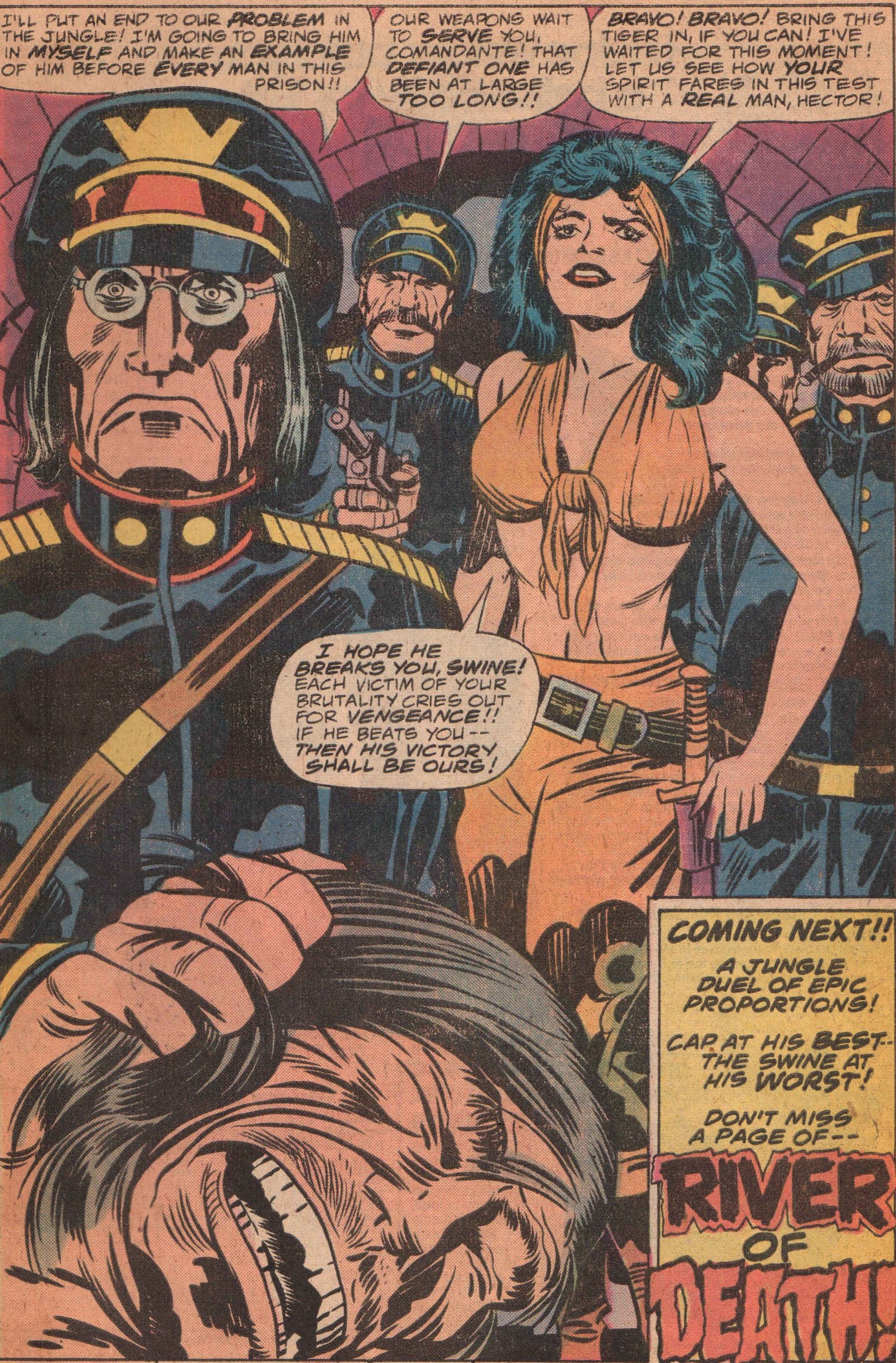
Captain America 207, 1976 “The Tiger and the Swine!”

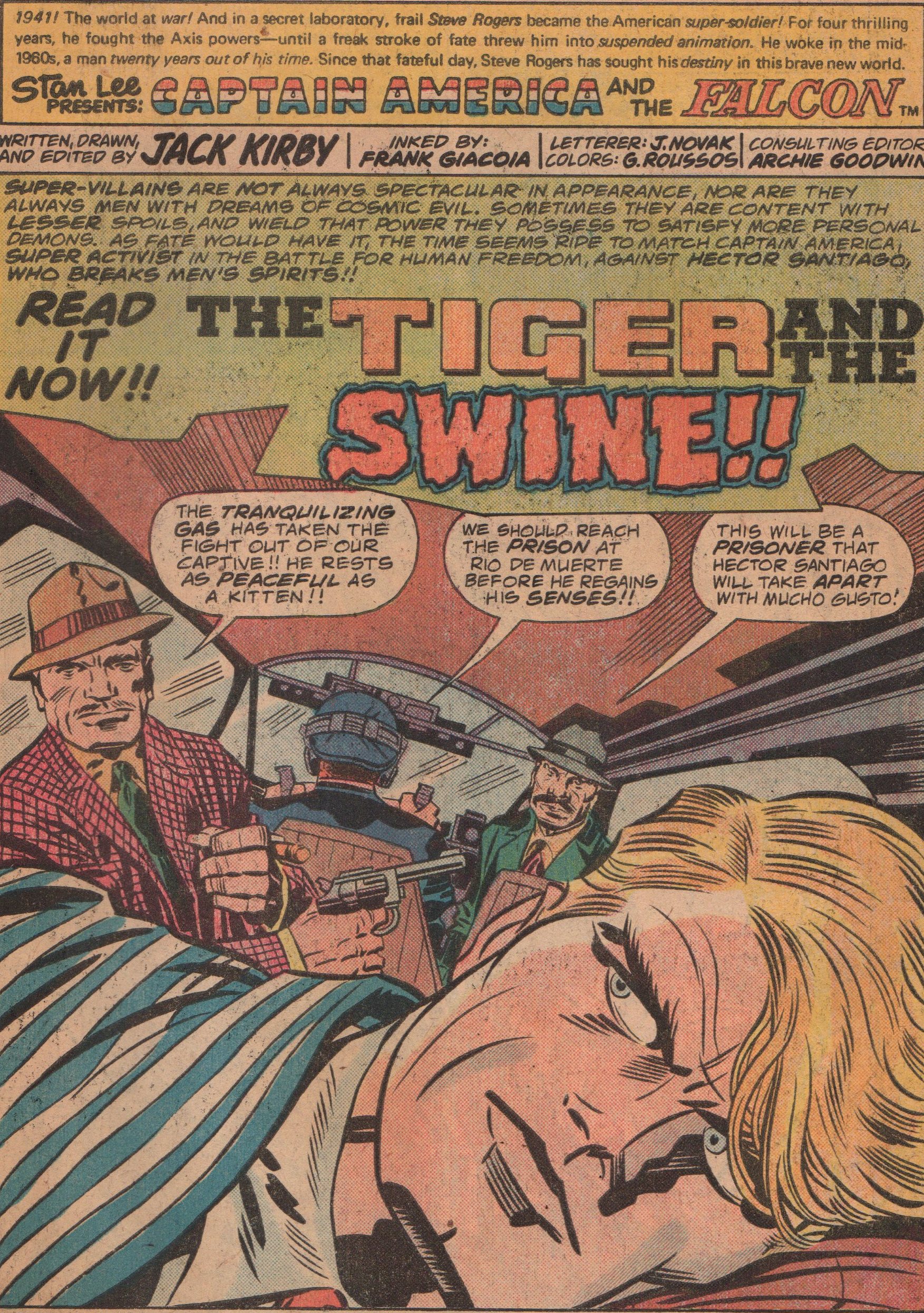
Now that Halloween is over, Lets get back to some superhero comics! And why not start off with something from the King?!! When people talk about the return of the king, I don’t think of a Hobbit, I think of Jack “King” Kirby returning to Marvel in the mid-1970s. The man was a legend before he left Marvel for DC in 1970, so some may have written off his last works for Marvel Comics, thinking they’d be inferior to his previous works. Honestly, his Fantastic Four run is the stuff of legend, and co-creating the Avengers, X-Men, and many other characters/groups is obviously extremely important. In his return to marvel though, he was able to be in complete control of his work (writing, editing, penciling). This gave the world some iconic and trippy books that are also the stuff of legend!

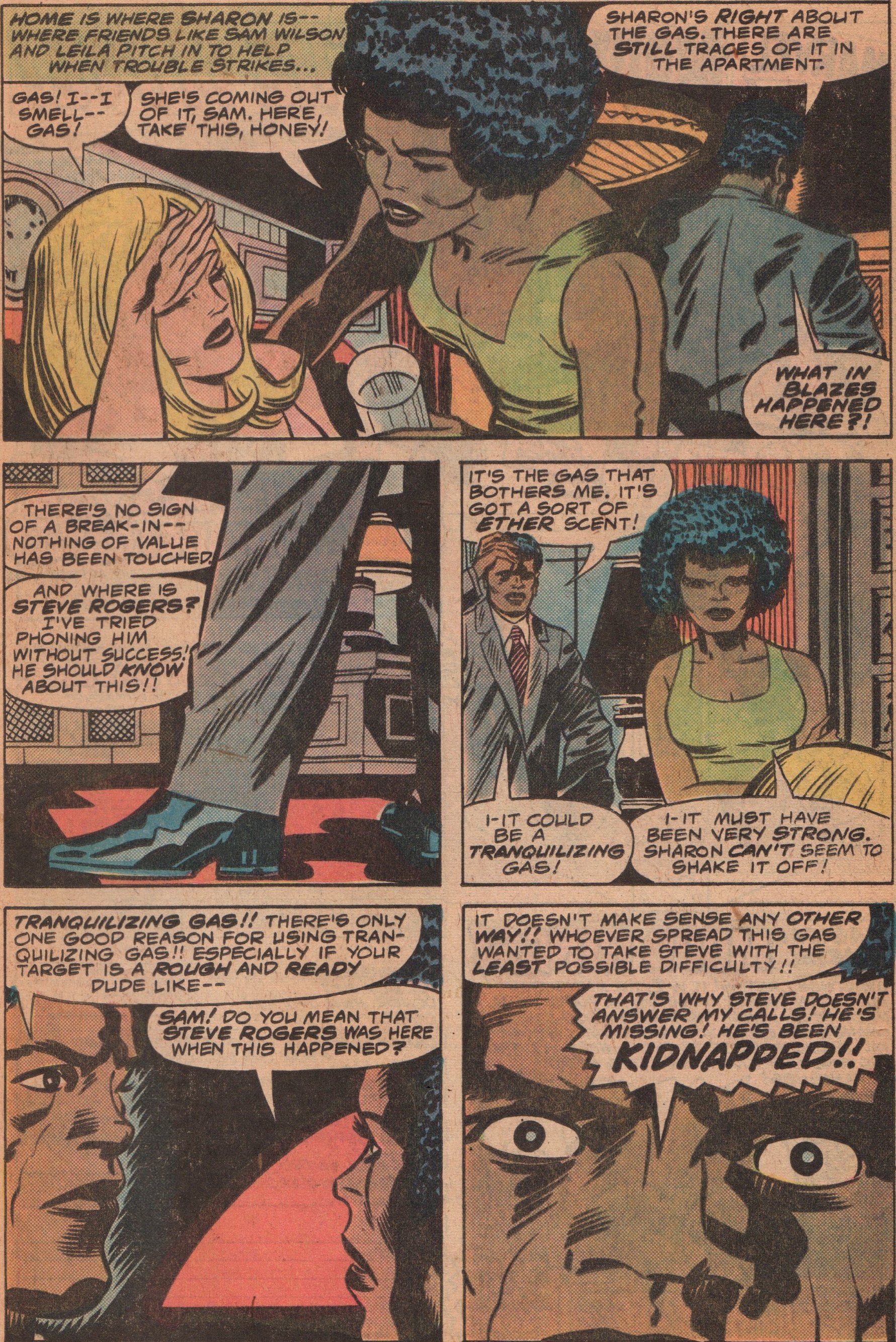
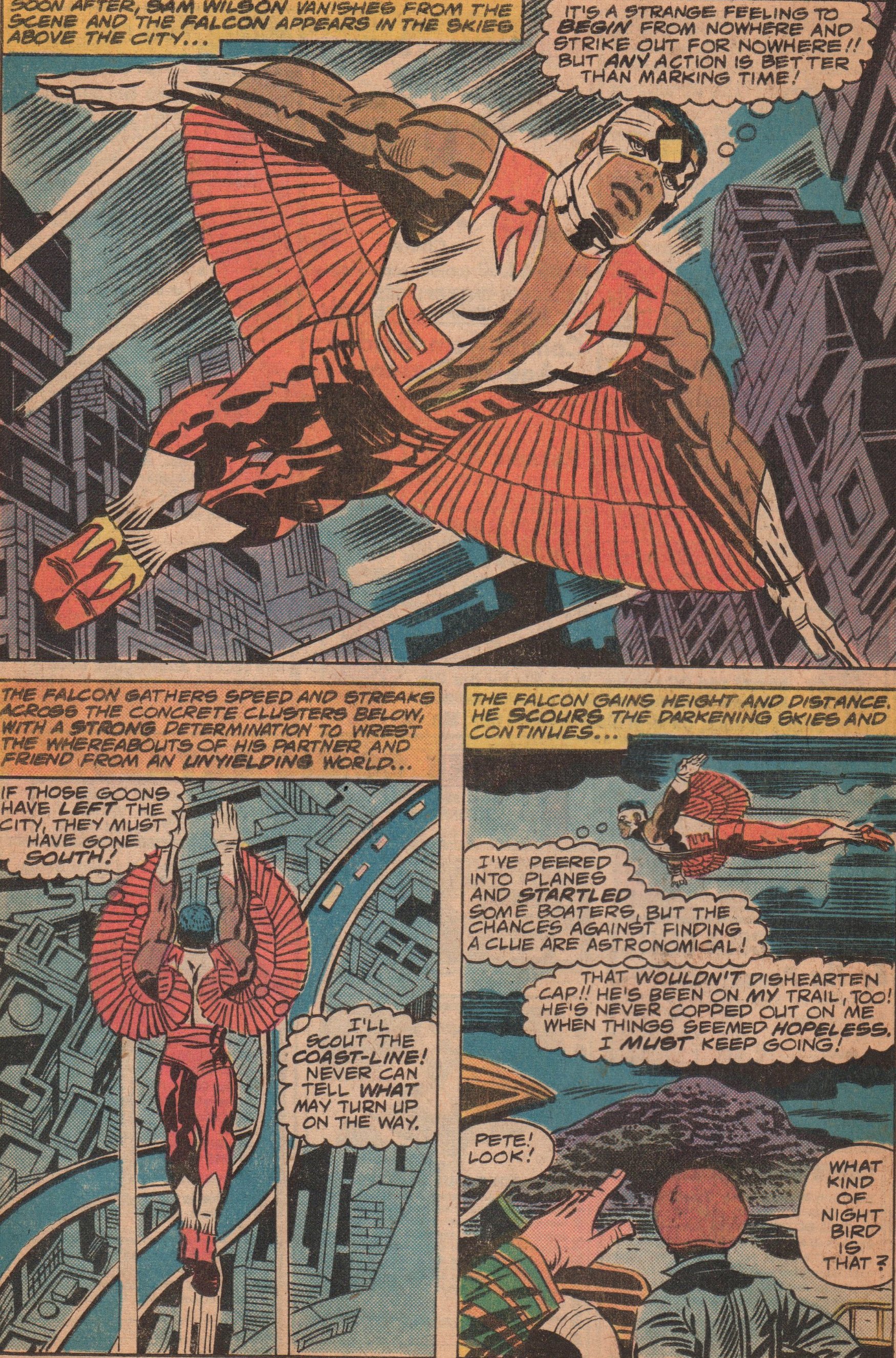
In this issue, we see Steve Rogers get kidnapped by a terrorist group in Central America. The story is one that has a slight humanitarian angle to it (explained by Jack Kirby in the intro), but it’s basically a Cap issue where he shows good versus evil. Nothing to heady but definitely a good read that keeps your eyes on the paper, especially from his marvelous visuals. The inks are by “Fearless” Frank Giacoia, letters by Jim Novak, and colors by George Roussos.


img836

img837

img838

img839

img840

img841

img842