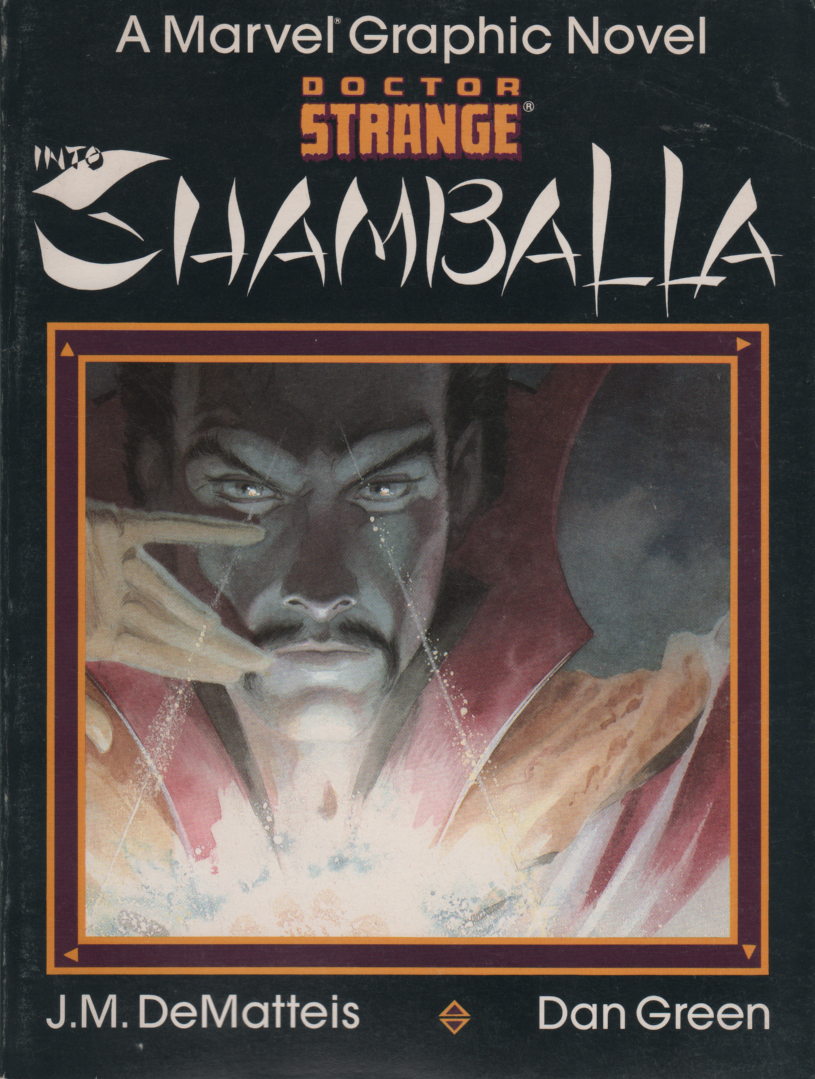
Doctor Strange: Into Shamballa -OGN

In the 1980s, Marvel started to release OGN’s (Original Graphic Novels) on a regular basis. The stories ranged anywhere from horror to sci-fi, to straight up superheroes. These over-sized books were some of the greatest achievements of that decade, bar none. Some of these titles were books that certain creators had the chance to get their own new characters into print by Marvel (DreadstarJim Starlin, Star SlammersWalt Simonson, The FuturiansDave Cockrum, etc.). This book is not one of those, but it is nothing short of an absolute gem!

J.M. DeMatteis (writer) is one of those writers I discovered in a Bronze Age comic book (not 100% sure which one), and I loved his style from the very  beginning. I’ve read a fair share of his work, and this is his magnum opus. His ability to write stories full of raw emotion is second to none. Not to be outdone, Dan Green (artist/co-plotter) turns in the work of a lifetime as well. His pencils on Doctor Strange (the 1974 series) was great, and really showed his ability to render the supernatural.

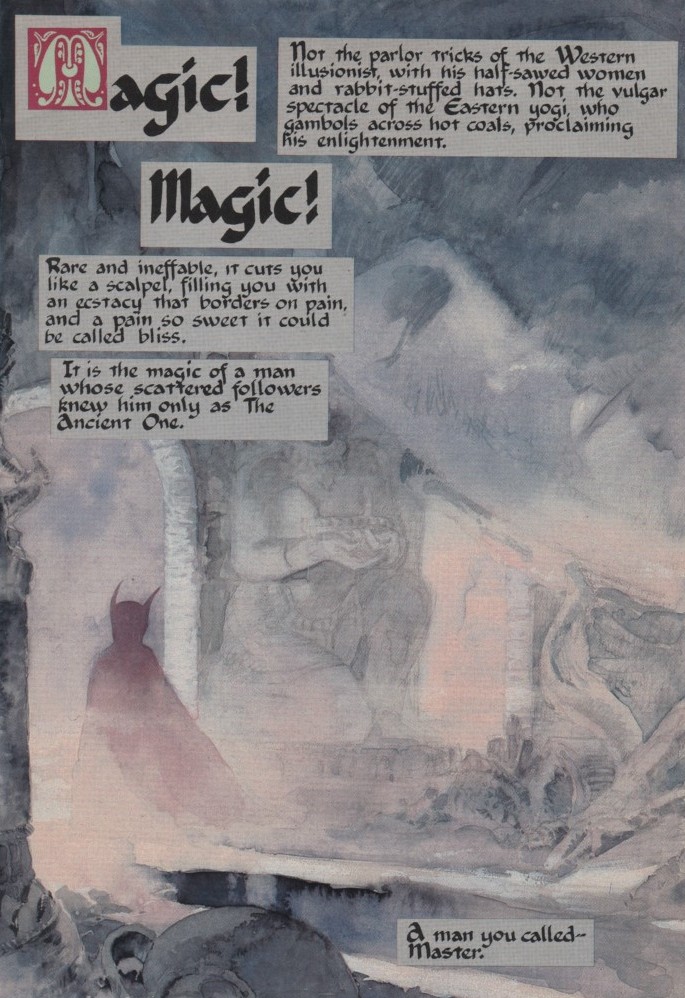
This story is a culmination of everything that Marvel comics built from the late 1960s through the 1970s. Mysticism, philosophy, morality, religion, etc., are all touched upon in this one. DeMatteis doesn’t beat you over the head with his own beliefs or ram an agenda down your throat either. He carefully crafts a tale that is steeped in self-awareness, and really pushes Stephen Strange to the edge of the proverbial cliff. We see the good Doctor in moments of strength, and weakness, and everywhere in-between. An extreme amount of depth was added to him in this story.

The artwork is something to marvel at, and Dan Green should be extremely proud of this book (also being a co-plotter). Some creators, as consistent as they are, never produce something this incredible in a lifetime of work. His inking is very extensive from the Bronze Age up until recently (at least 2011). The visual story he tells, coupled with the script is a masterpiece. This book is right up there with any OGN…period.

As for the true meaning of Shamballa, I’ll be satisfied with this story and Three Dog Night


The Brave and the Bold 199, 1983 “The Body-Napping of Jim Corrigan!”

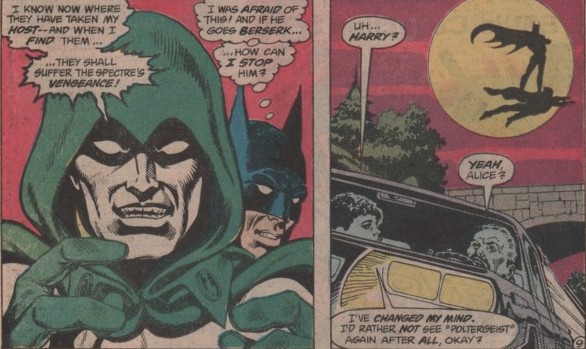
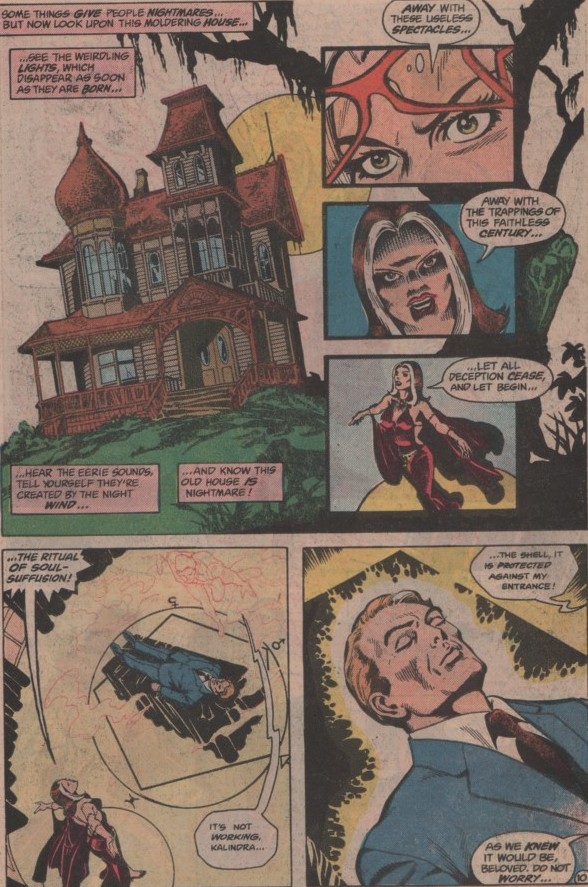
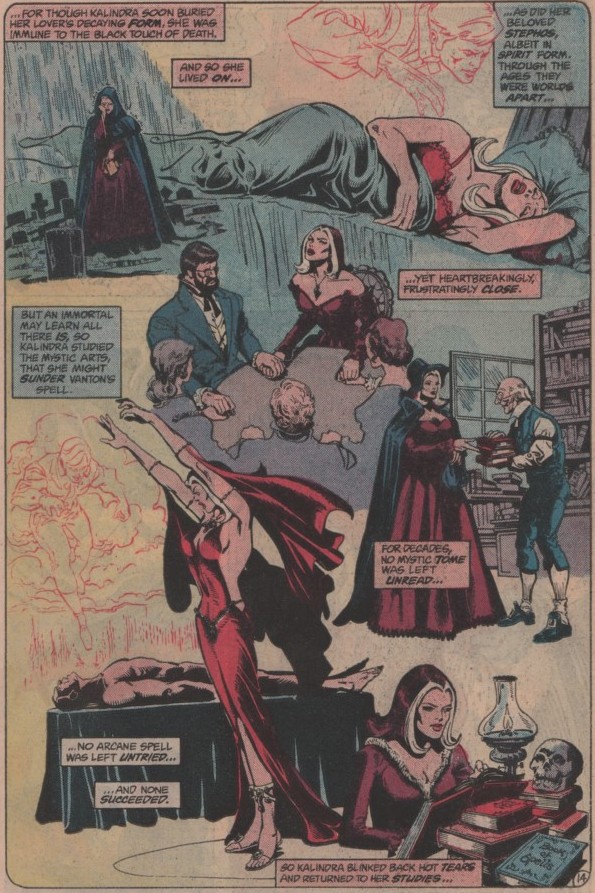
I’ll come right out and say it, I’m not a huge fan of The Spectre. Probably because I haven’t read very many of his appearances. Batman however, is a different story! In this penultimate issue of the series, we see the Spectre separated from Jim Corrigan (the two were sort of bonded together for most of the character’s existence). Two magic users (Kalindra and Stephos) kidnap Jim Corrigan, and The Spectre (isn’t he supposed to have cosmic awareness?) needs to locate his host (Corrigan), so he enlists the help of the greatest living detective, Batman! It isn’t long before the heroic duo find where Corrigan is being kept, and then the two begin to clean house.

The highlight of the issue is the cover, but that’s not a slam against the interiors (Ross Andru and Rick Hoberg). It’s just that Jim Aparo (cover) is so good, he overshadows the other two gentleman. There is a two page splash, where The Spectre is fighting a demon that is fantastic. The script is fine but the story (Mike Barr) is very bare bones. A nice little action issue with solid art, but nothing Earth shattering.


Creatures On The Loose 31, 32, 33 “Man-Wolf”

In the July 1974 issue of Creatures on the Loose, we saw a switch from the Sword and Sandal genre, starring “Thongor, Warrior of Lost Lemuria” to the horror genre starring the Man-Wolf! After the death of Gwen Stacey (and Norman Osborn), John Jameson was brought back into the Spider-realm. Marvel put him in Marvel Premiere as well for a short story-line, but once the horror craze finally died off, so did Wolfy’s career for quite some time. In these issues, we see him battling Simon Stroud, the police, Kraven the Hunter, and his own father, J. Jonah Jameson! Covers by Gil Kane, John Romita, and Rich Buckler (inks by Klaus Janson), respectively.


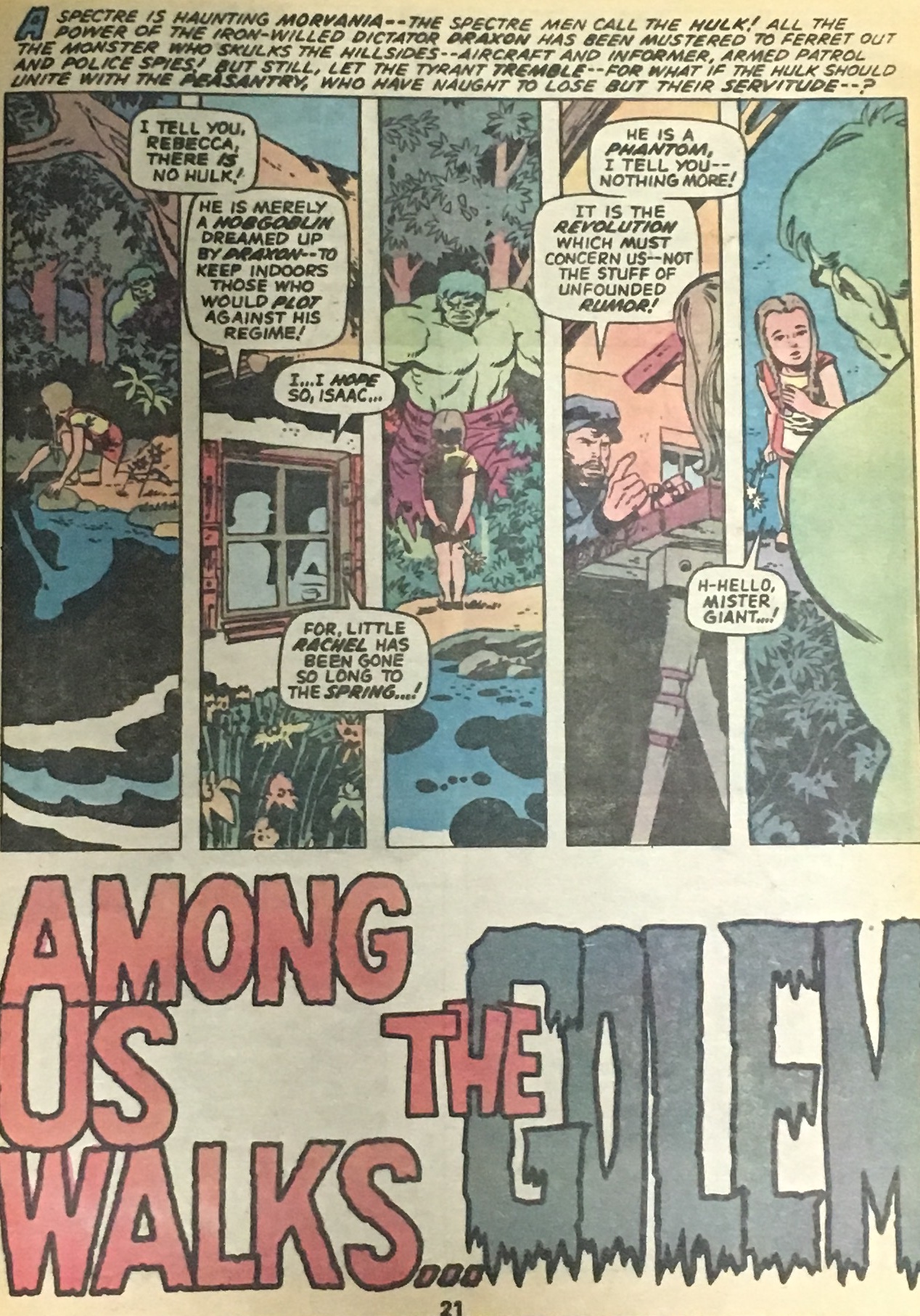
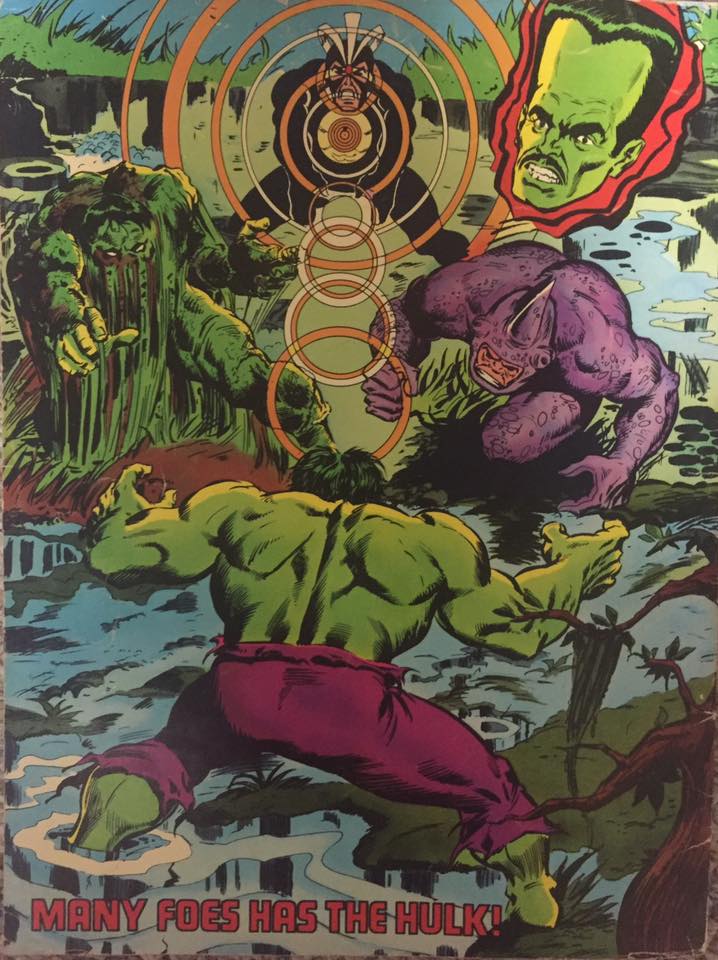
Marvel Treasury Edition 17, 1978 “The Incredible Hulk”

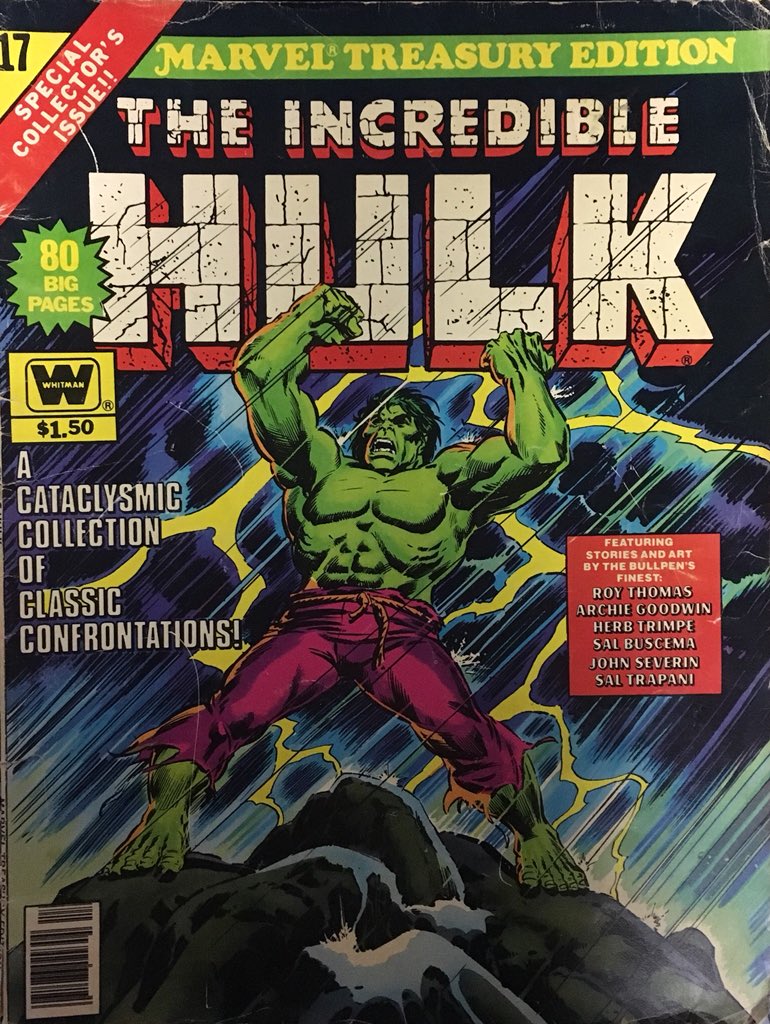
A few years ago, I discovered the awesomeness known as Treasury Editions. I knew of their existence, but never bought one due to the hefty price-tag they usually carry. Being a huge Doctor Strange fan though, I grabbed Marvel Treasury Edition 6, as I just couldn’t pass up the book and the $10 sticker! Back to the matter at hand though. Recently issue 17 popped up in front of me and just from seeing the cover and knowing there would be work by Herb Trimpe, Roy Thomas, Archie Goodwin, Sal Buscema, etc., I couldn’t resist buying it.

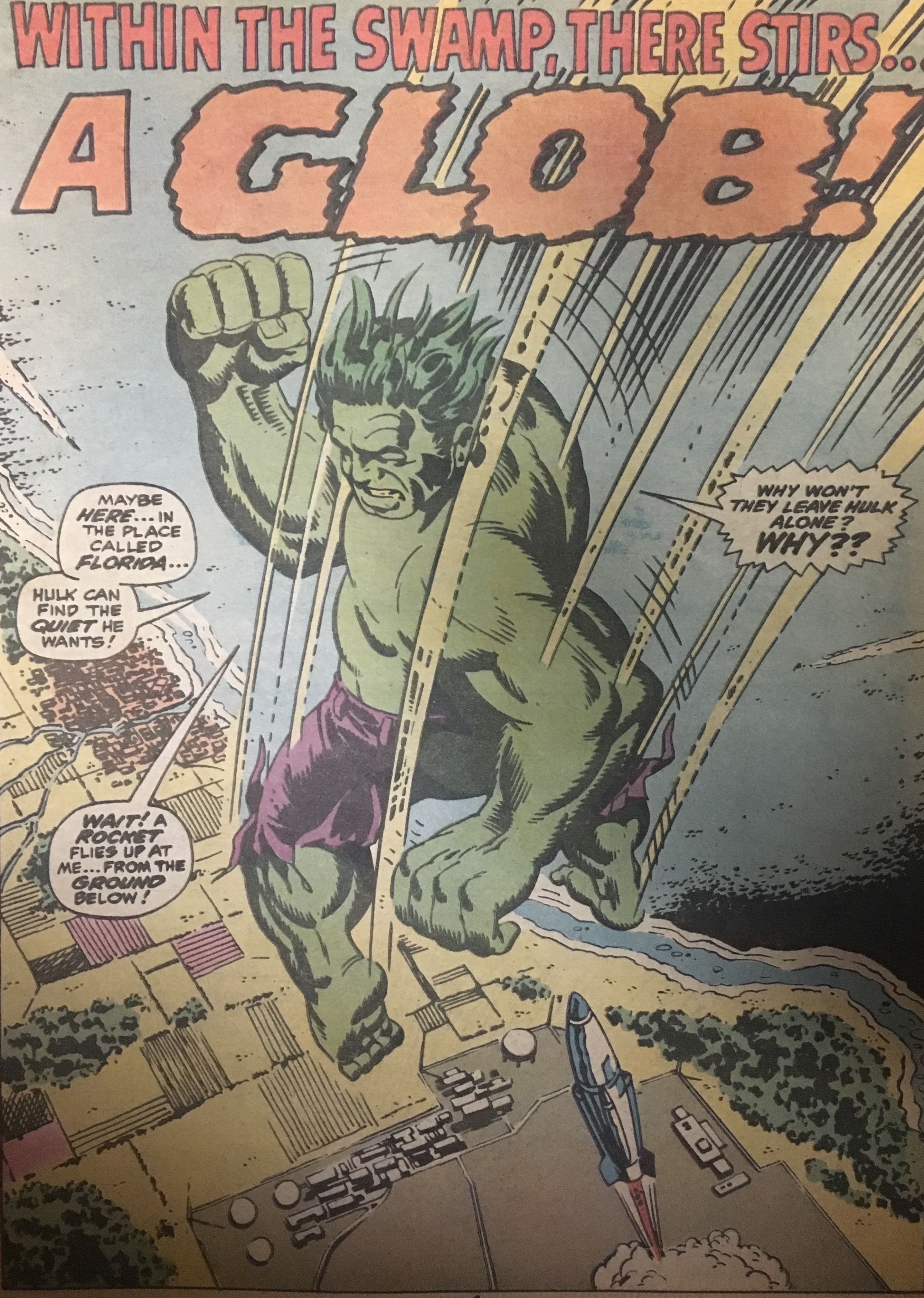
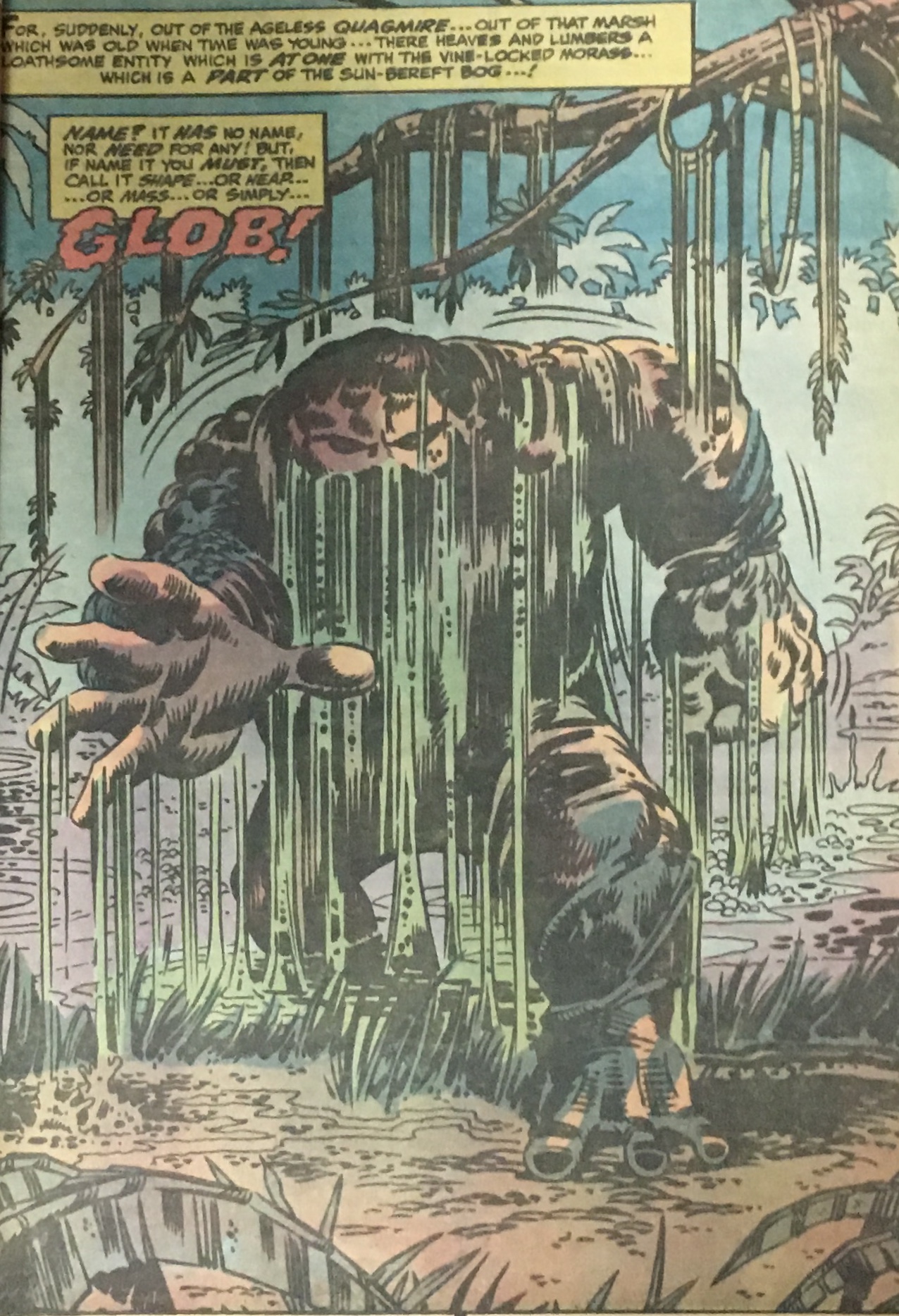
The cover blurb reads…”A Cataclysmic Collection of Classic Confrontations!” That blurb isn’t one of those familiar bait and switch deals, it’s for real. Inside we get four incredible stories, and each one shows the Jade Giant in some wars that he doesn’t necessarily come out of as the winner. Yep, he’s known as the strongest one there is, but it is cool to see even the strong get humbled and beaten once in a while. One of my favorite horror creatures and Hulk antagonists ever is in the first story, too!


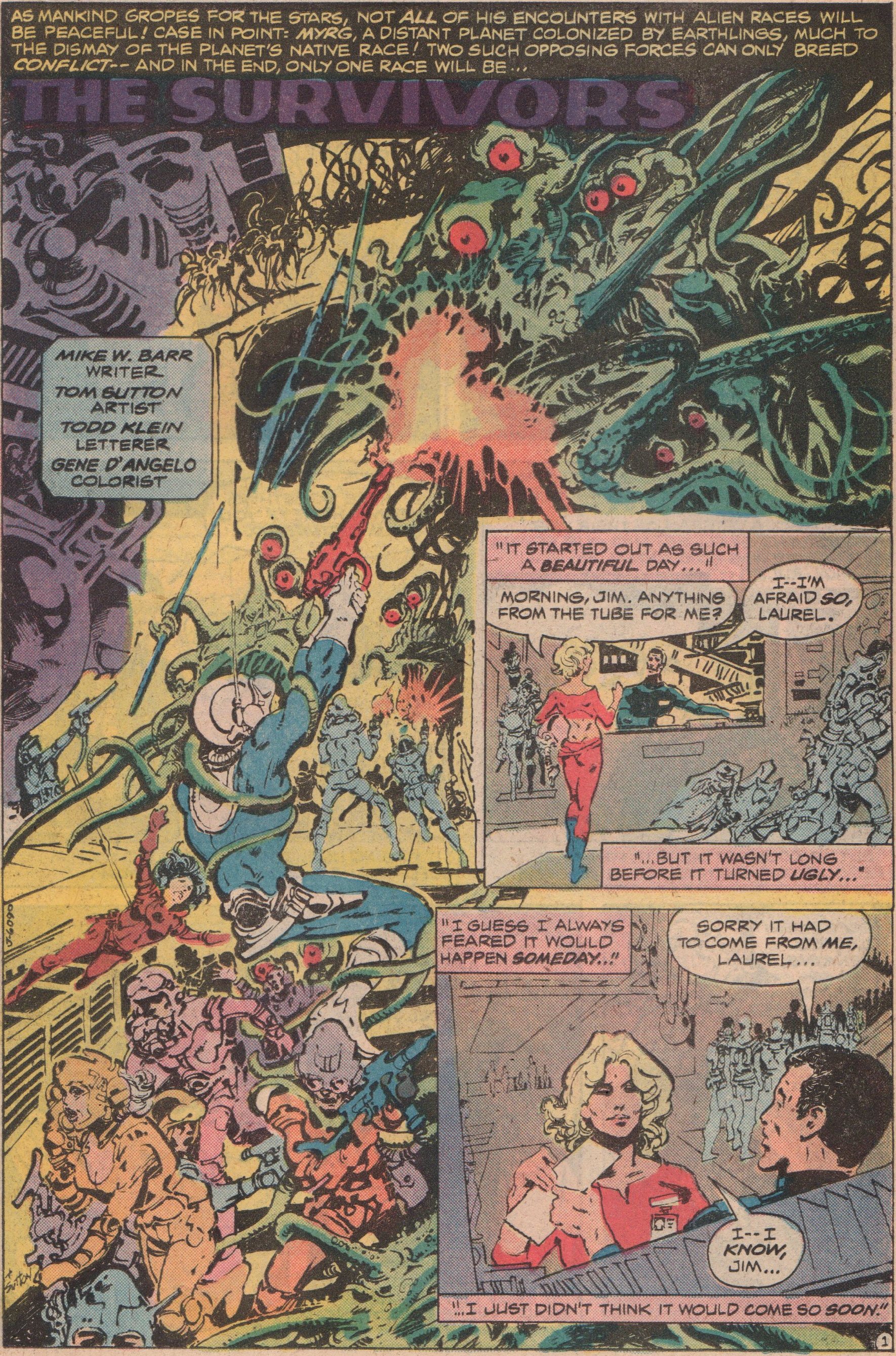
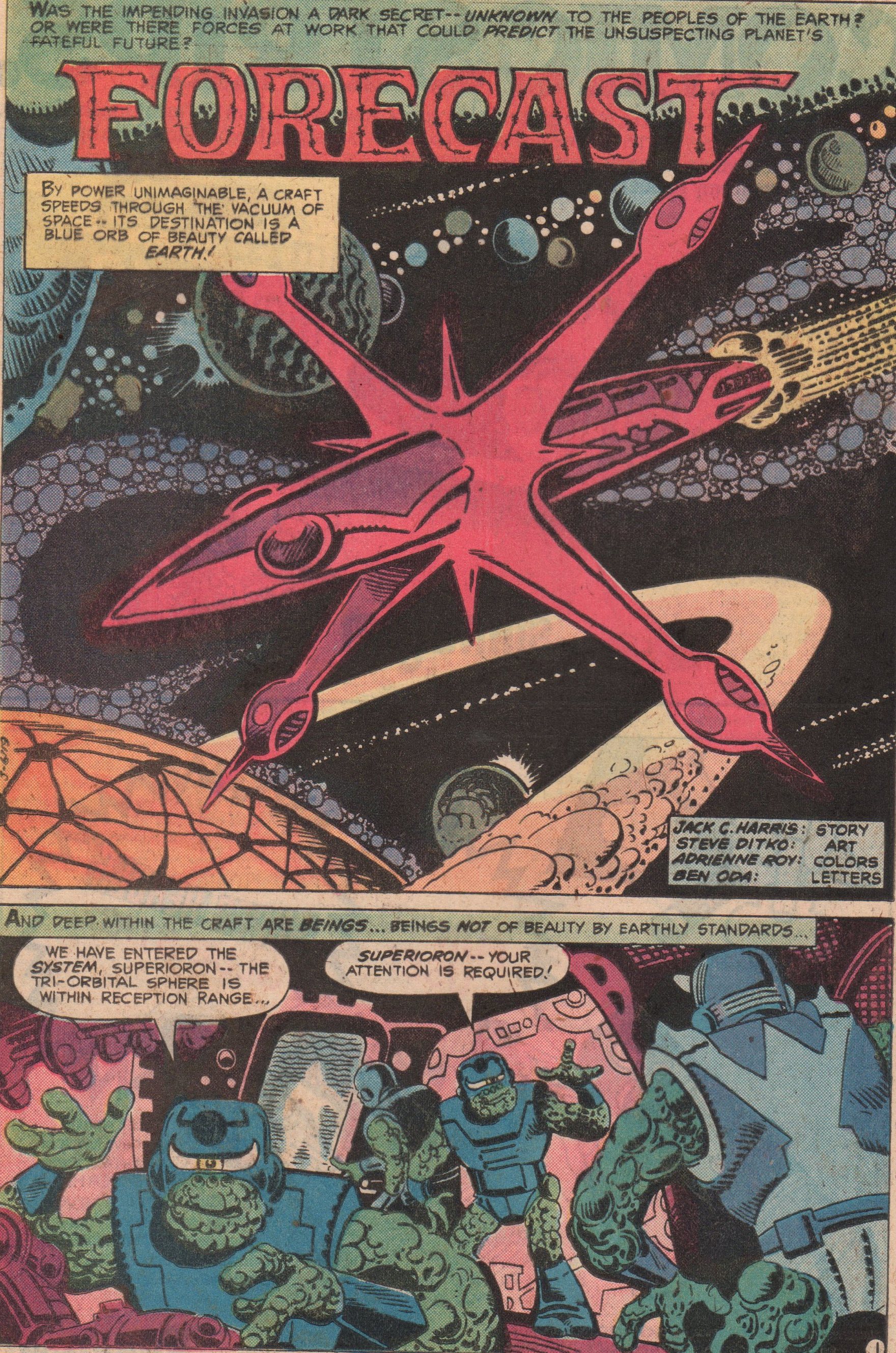
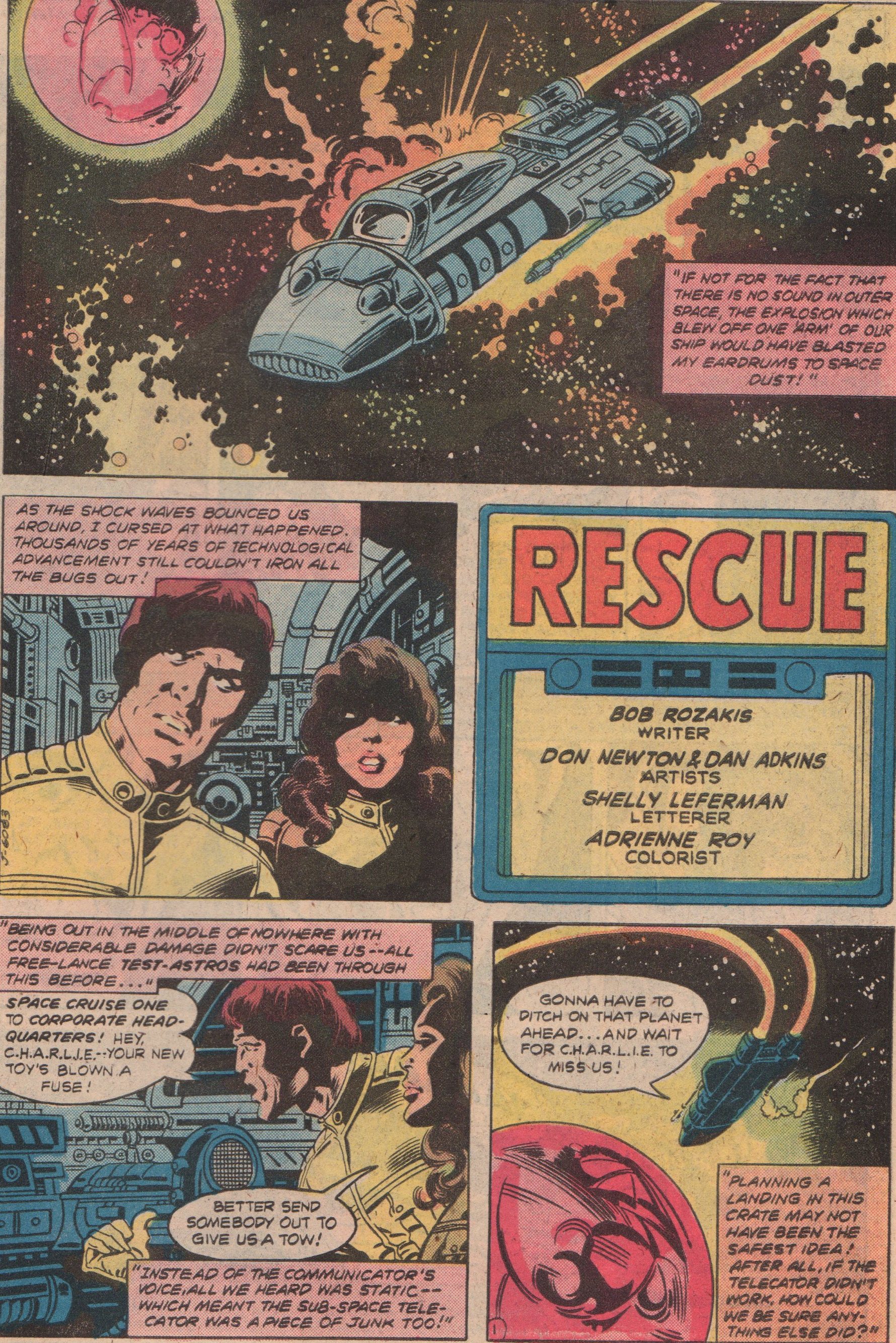
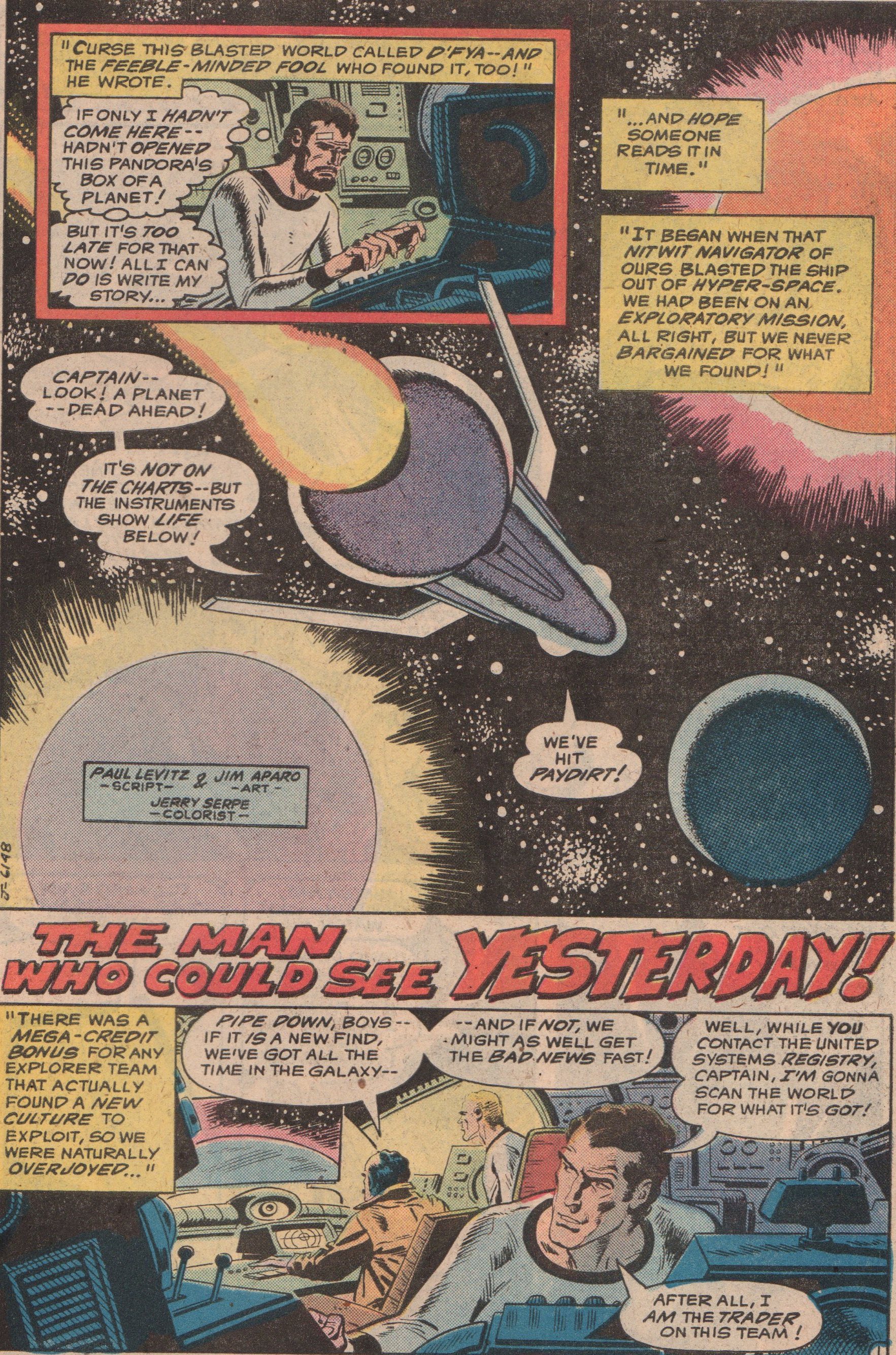
Time Warp 1, 1979 “Doomsday Tales and Other Things”

In the late 1970s, DC cut back on their titles, and laid off a ton of employees. The comics just weren’t selling, and they needed to regroup. The early 1980s would bring some new hope in the form of All-Star Squadron, and New Teen Titans, but there were also some additions that are very obscure, but noteworthy for the comic book aficionados out there!

A short series of only five issues, this weird book gave us some rather interesting material. Mostly sci-fi (with a little horror), this first issue is chocked full of creators with a long list of credits, and quite frankly, legends in the business. From aliens to spider-men, you’ll be whisked away to fantasy worlds that will take you back to a time when comics were great!

Cover by Mike Kaluta, interiors stories by Denny O’Neil, Michael Fleischer, George Kashdan, Mike Barr, Jack Harris, Bob Rozakis, and Paul Levitz. The art teams are nothing short of spectacular and include the late, great Rich Buckler, Dick Giordano, Steve Ditko, Tom Sutton, Jerry Grandenetti, Don Newton, Dan Adkins, and Jim Aparo!


1 vs 1 Which comic is Best?

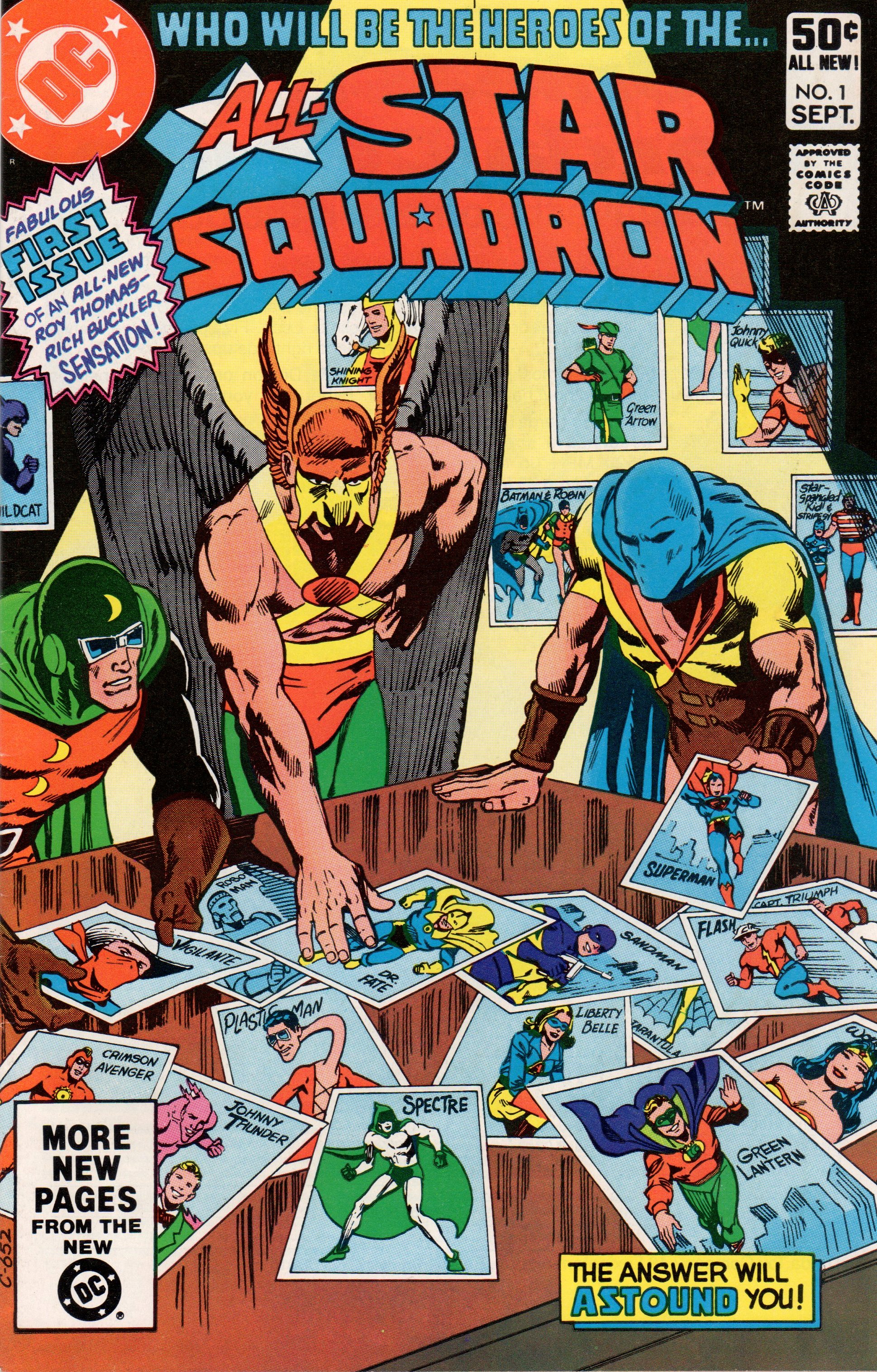
I was thinking about boxing matches the other day, and how two big-time fighters entering a boxing ring to duke it out used to be a bigger deal than what it is today. In the vein of that time-honored tradition, let us take a look at two “number ones” and see how they stack up against each another! The first round will feature two books from DC comics, and they are good ones! Batman and the Outsiders #1 (1983) vs All-Star Squadron #1 (1981), are the two participants so get ready for a throw down of epic proportions!

Batman, Metamorpho, Black Lightning, Katana, Halo, Geo-Force, and Looker. This team, mostly composed of new characters was a good mix, and that favored the book’s appeal. Not only that, but it didn’t hurt that Mike Barr (writer) and Jim Aparo (art) were the creators. A jam-packed first issue featuring the sinister Baron Bedlam!


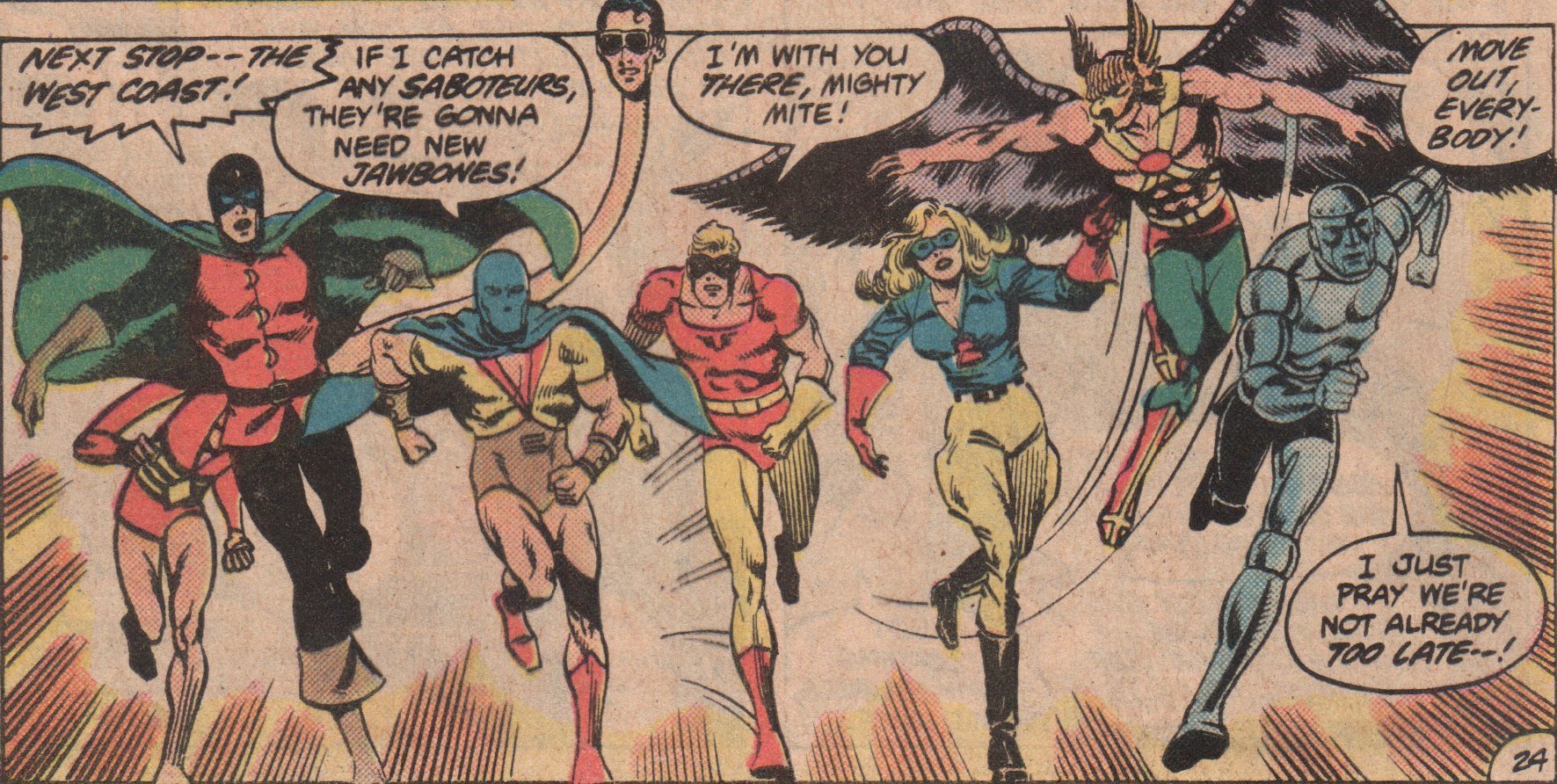
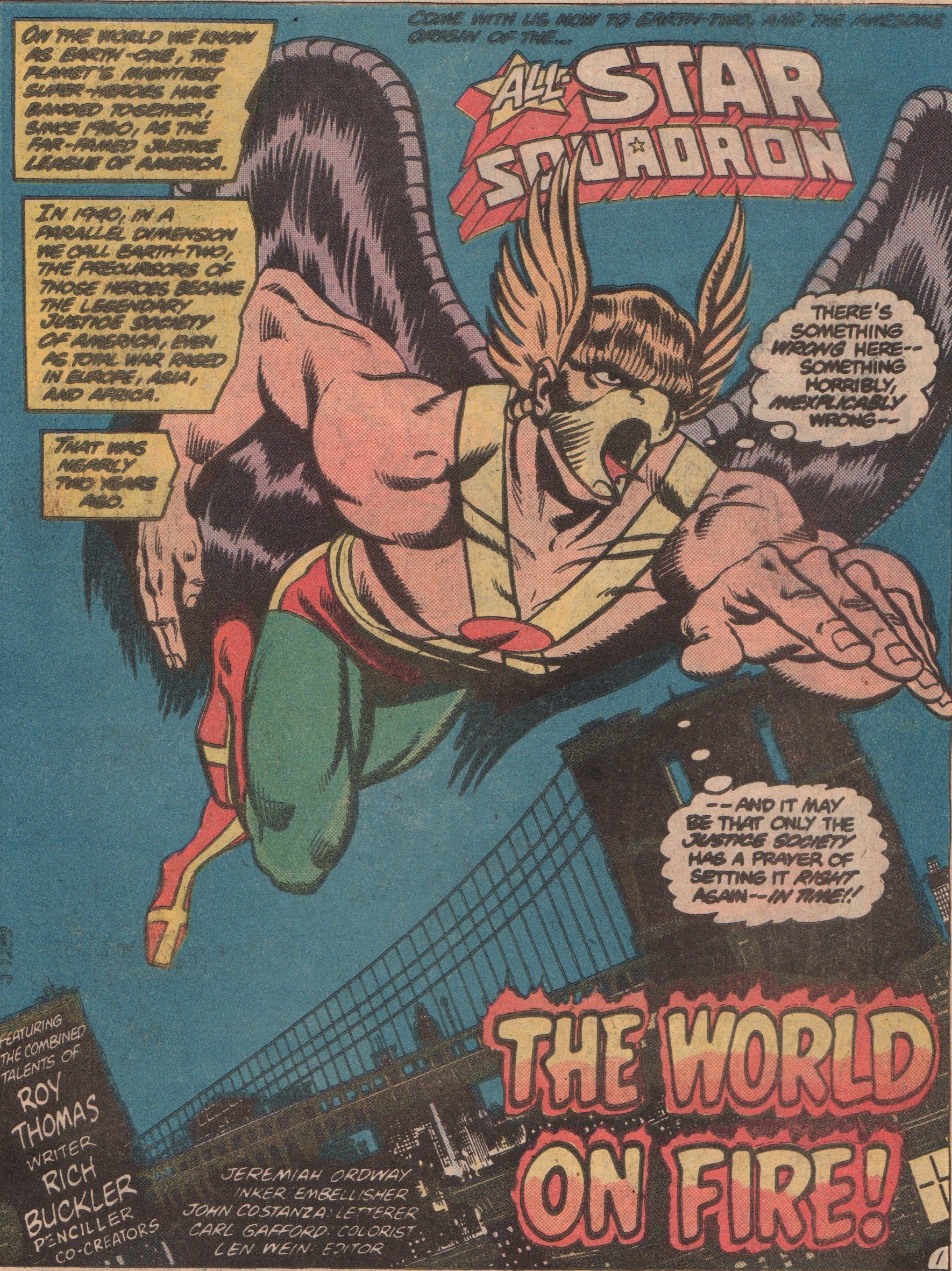
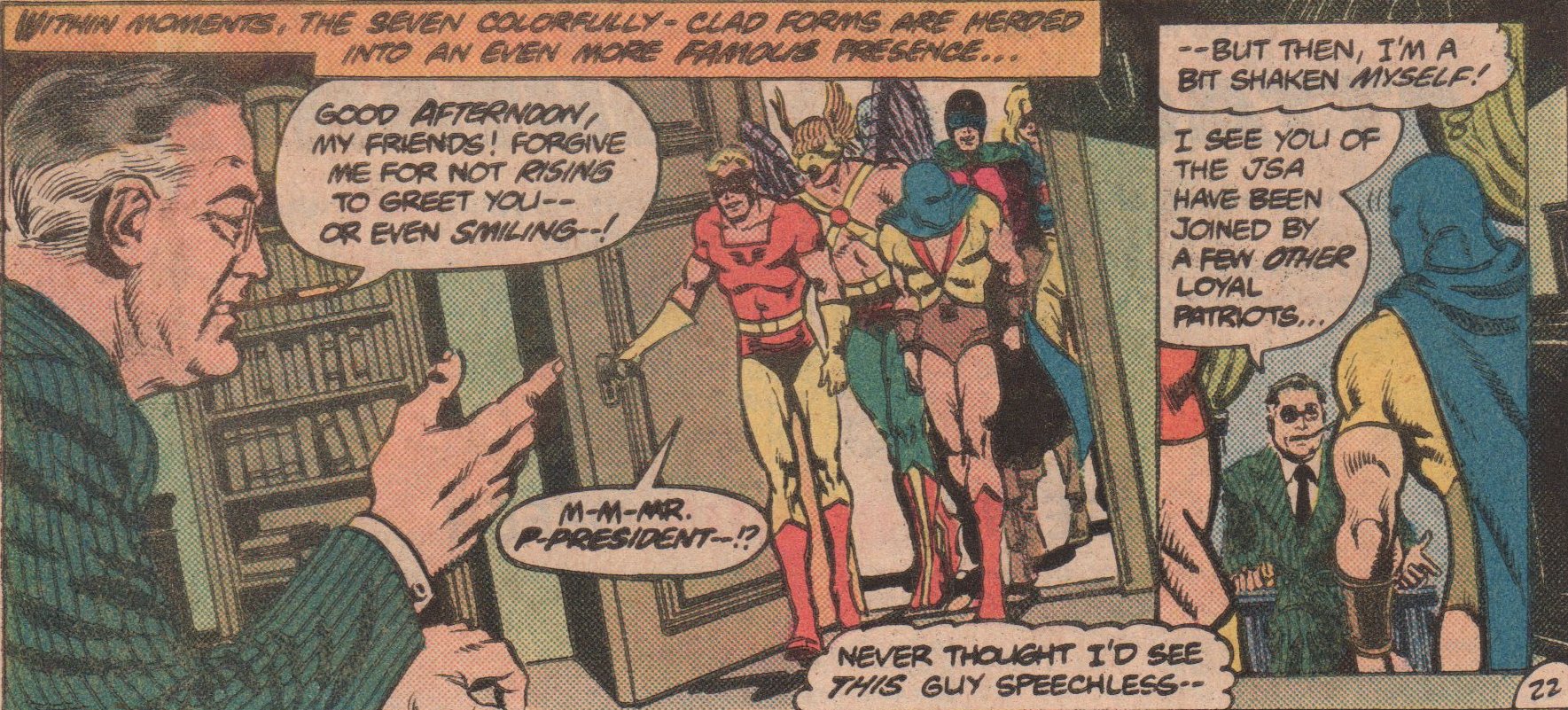
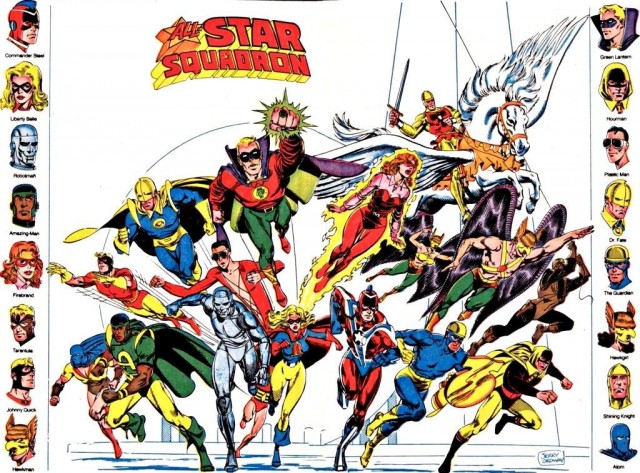
Secondly, we have All-Star Squadron! A period piece starring some of the Golden and Silver Age heroes that were a part of the JSA (Justice Society of America). Hawkman, Atom, and Dr. Mid-Nite are joined by Plastic Man, Robotman, Liberty Belle, and Johnny Quick, as they meet the POTUS, FDR, as he helps them create a new super team, to fight against the Axis powers in WWII! But, before that they need to find some missing members of the JSA as well! The creative team is one of legend, as Roy Thomas (writer), Rich Buckler (pencils), and Jerry Ordway (inks) brought a fantastic new comic book to the shelves!


Time to break these two books down: first the covers…
Cover – All-Star Squadron (+1)

While the B&TO has tighter pencils and inks, I think All-Star Squadron is better overall. The different array of characters in the pictures is pretty cool. I do love two of the faces on the other cover though, as Superman and Metamorpho are the best reactions to Batman’s dialogue. Speaking of that dialogue, it seems a bit forced and doesn’t match the interior page, so that is definitely taking points away. Buckler and Ordway are on point with this cover for sure. Definitely in the “iconic” category.


Interior art – Batman and the Outsiders (+1)

This is a close one, but Aparo definitely pulls slightly ahead of Buckler and Ordway if for nothing else than his rendering of Batman. That aside, both books have some very strong work, but again, Aparo is just a bit cleaner with his style. Colors and letters are both on the same level.


Story – All-Star Squadron (+1)

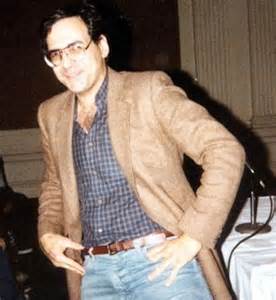
This one isn’t even close. A good WWII story with a myriad of characters that come together to fight Nazis, plus save other heroes from Solomon Grundy, Professor Zodiak, Sky Pirate, Degaton, and Wotan! Don’t get me wrong, Barr tells a good story in the other title, but it’s just not on par with this one by Roy “the boy” Thomas. Oh, and FDR (image below) is in this comic, so that seals it!


So, by a score of 2-1, All-Star Squadron #1 is the winner!


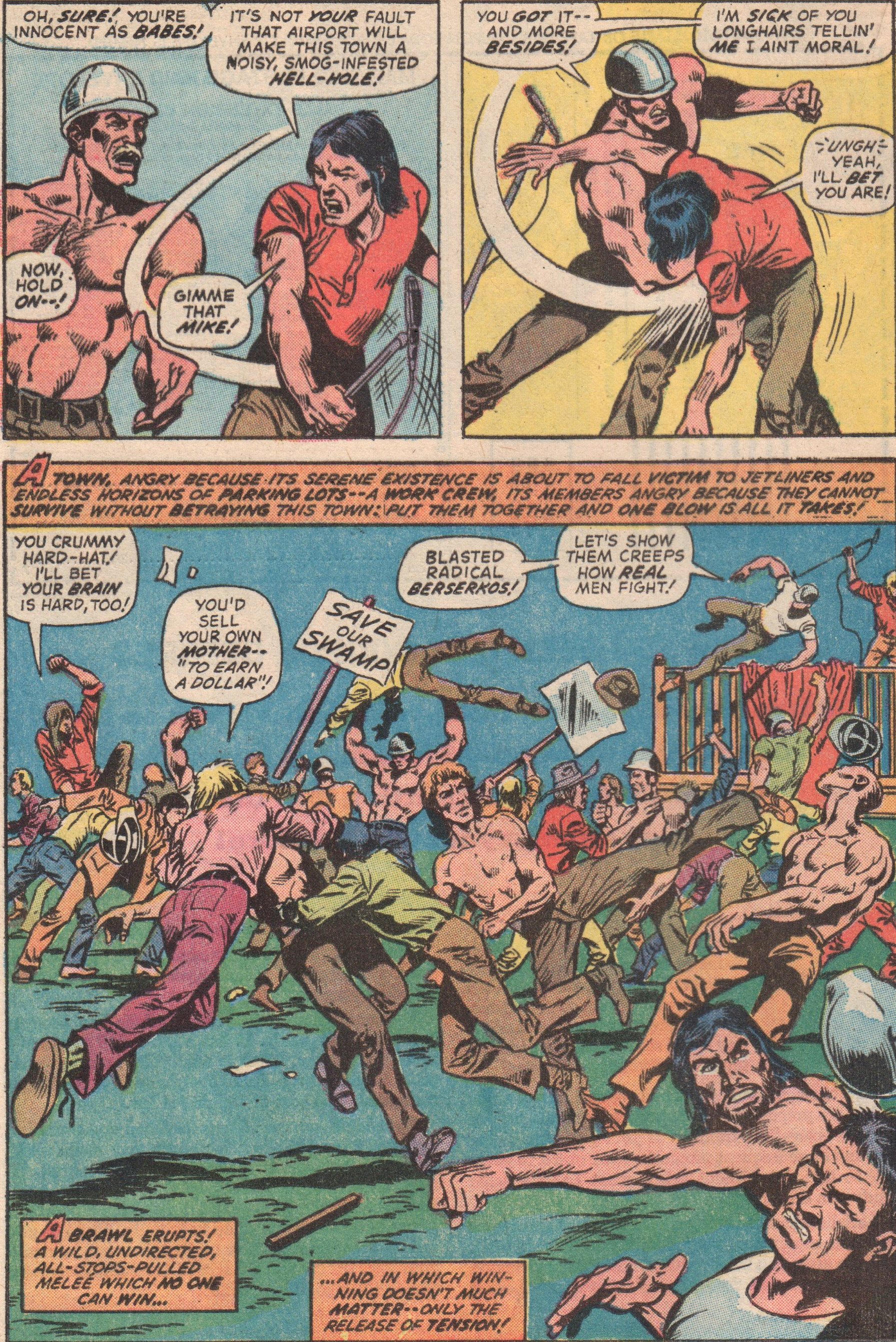
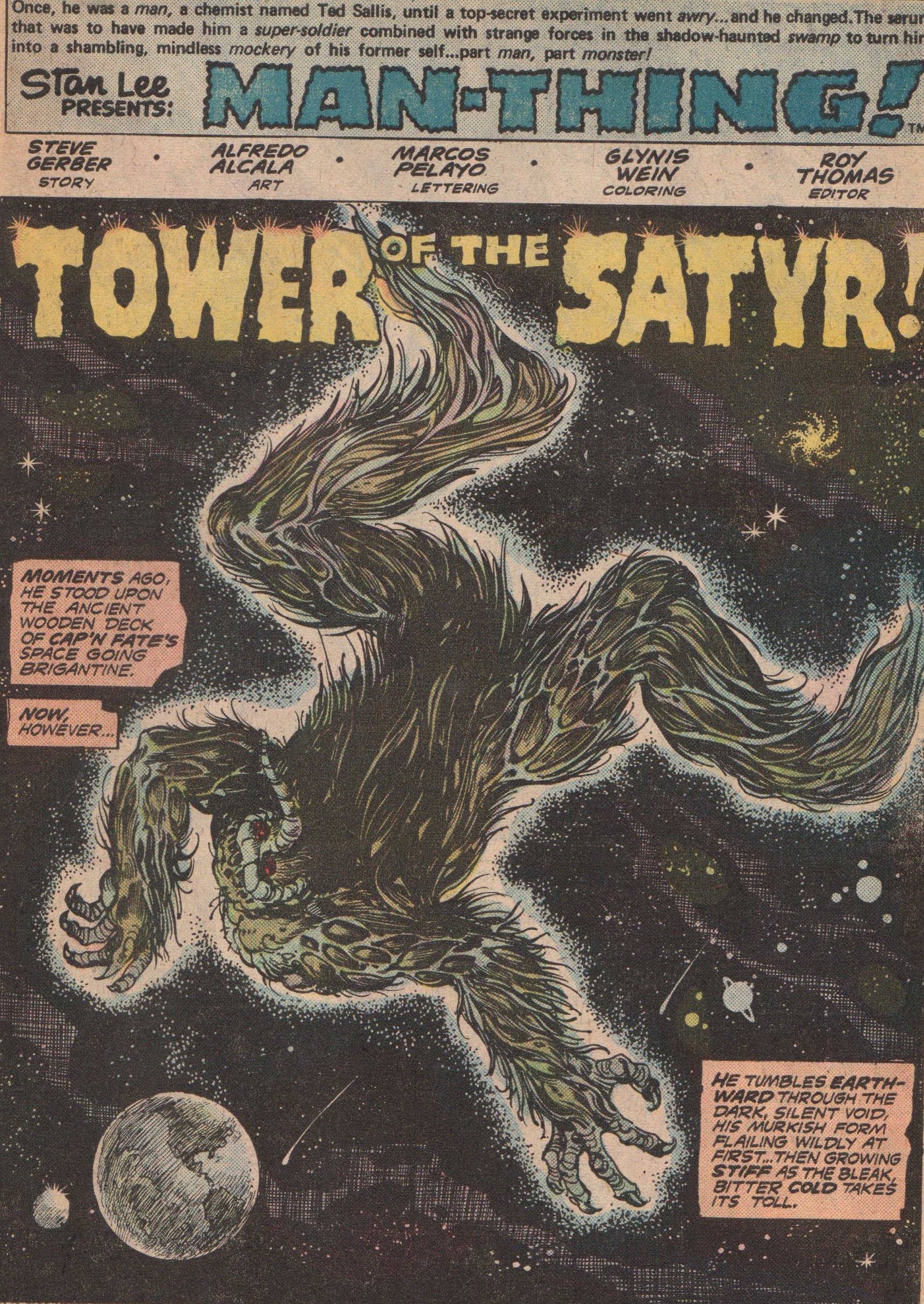
The Man-Thing! by Steve Gerber!

I know the Silver Age was the foundation for just about everything (except most notably Captain America, the Human Torch, and Namor) at Marvel, but the Bronze Age was the age that brought comics into the modern era, because it explored ideas that were previously ignored or even taboo. Drugs, violence, religion, you name it, this time in comics was exactly what the industry needed. One of the creators that helped lead the way with his unique style of storytelling was Steve Gerber. He was a shot in the arm no doubt as the pages were filled with social issues galore, and along with his idiosyncratic style, humor, and tons of off-the-wall stories readers were enthralled with these books!


Imagine if you will, trying to write stories in which the main character cannot speak. Taking over the character Man-Thing in only its third appearance, Gerber immediately turned the direction of the book/character from a straight up horror character, to one that is centric to stories with social issues, but you still get the horror angle as well (just not the main point of the story). The issues of (Adventures Into) Fear that featured Gerber’s work did lean slightly more towards more horror than anything, but once Manny transitioned to his own title, the restraints were completely off.

Let me be frank, Gerber could write any kind of story, not just one solely focused on social issues. He actually would write an issue or two with that as the main idea (Fear #12, 16), but then turn around and write a few issues in a row of just straight up horror (Fear #13-15). He wrote superhero stories (check out his trippy Daredevil run, Marvel Two-in-One, Omega the Unknown, and Guardians of the Galaxy!), and everything in between, but what most consider his crowning achievement is Howard the Duck. I’m partial to the Man-Thing  stories though, and if you read them, I guarantee you’ll become a fan!

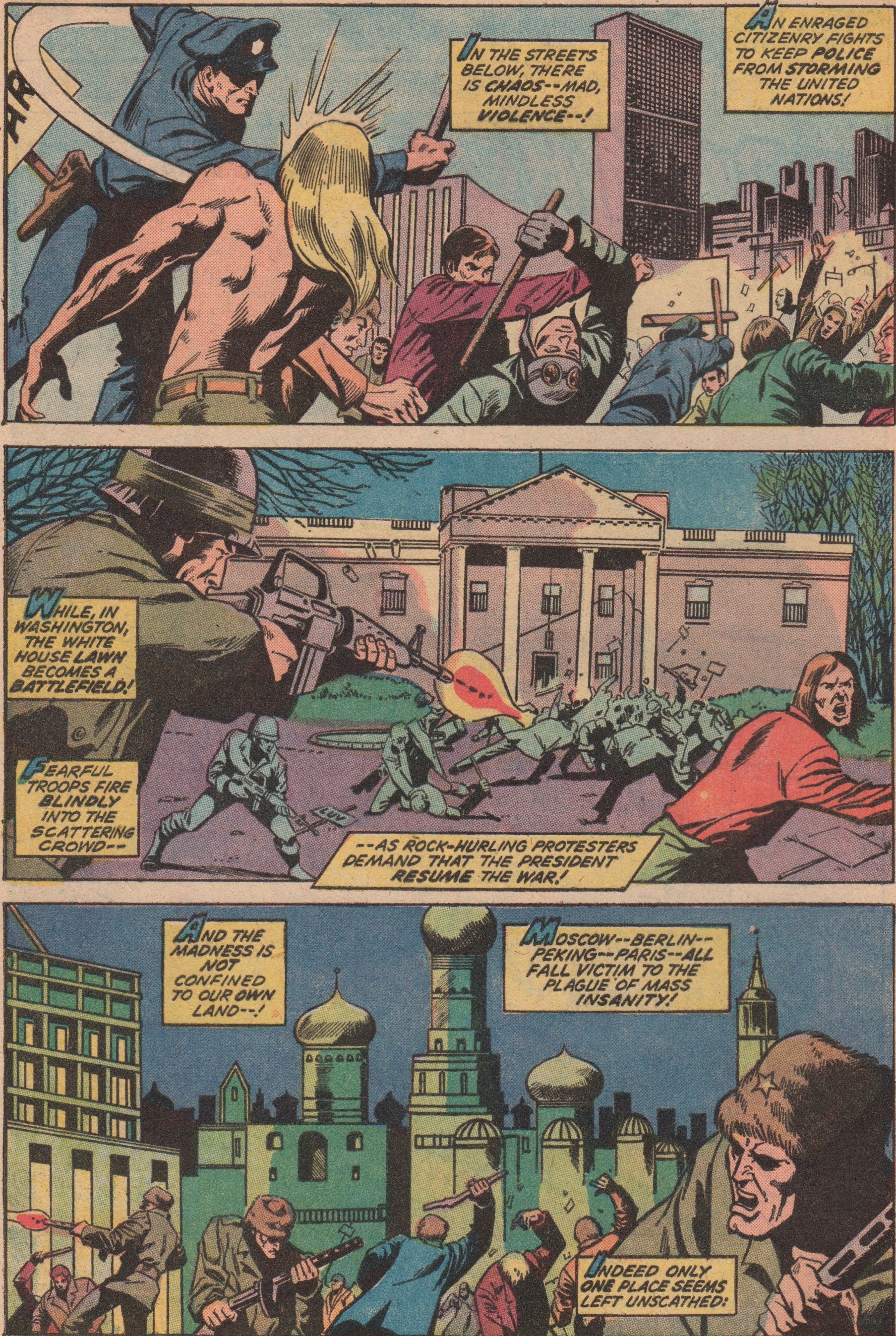
Check out these images that really drive home how awesome the Gerber Man-Thing is! Enjoy!


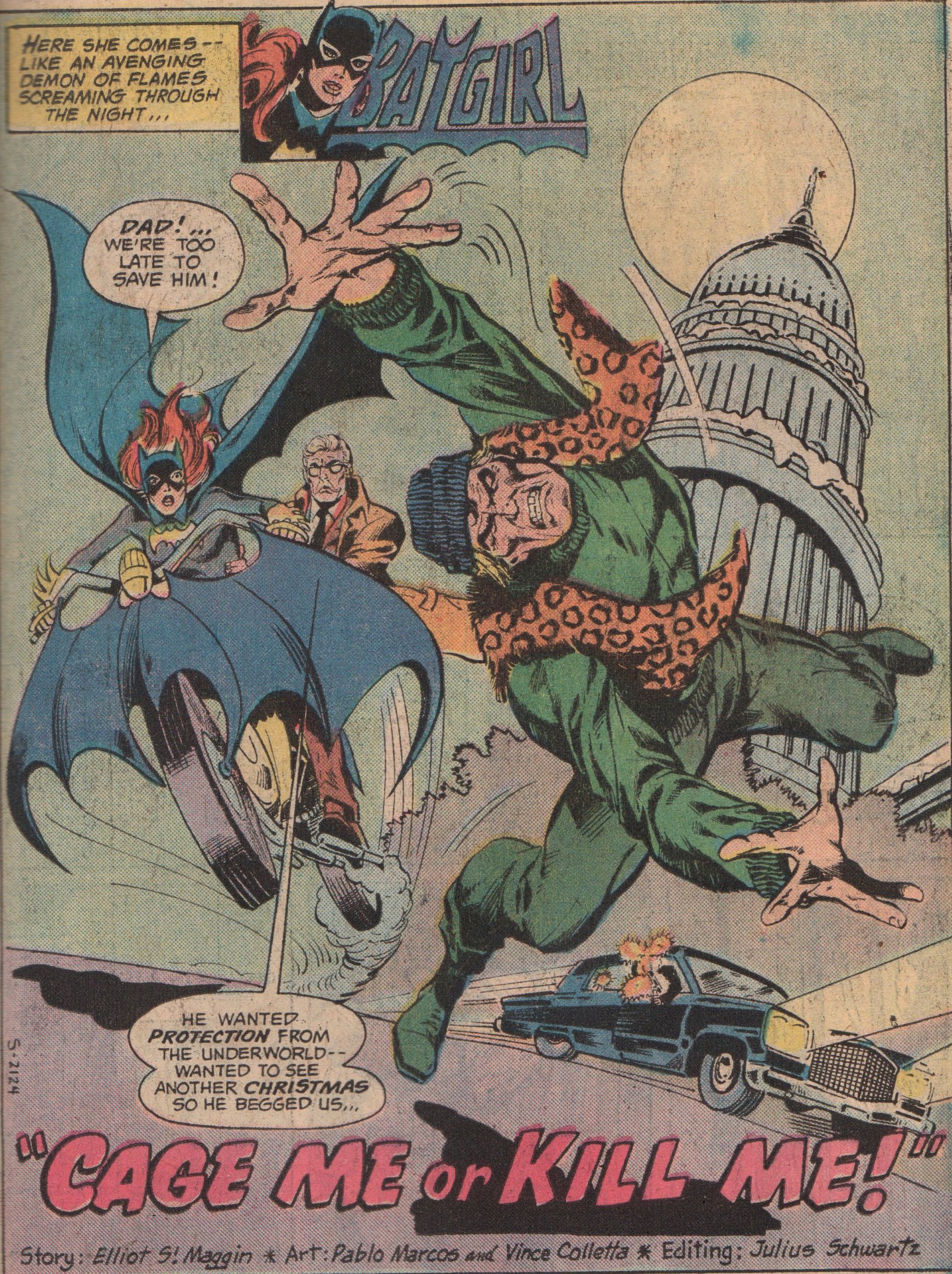
Batman Family 4, 1976 “Dangerous Doings for the Dynamite Duo!”

I recently declared in a group on social media that I read the greatest Batman comic of all time, and could now die a happy man. Some thought I was joking…I wasn’t…not one bit. Yeah, I know The Dark Knight, Birth of the Demon, The Killing Joke, The Long Halloween, etc., etc. all get the critical praise, and rightly so, but my tastes are a little different (and I have read most of those stories). Batman meeting Fatman cannot be topped. A cover showing Robin getting the stuffing knocked out of him by a faux Santa Claus is pretty cool as well! The other stories in the book are good stuff and Elongated Man has always been one of my favorite ancillary characters in the DC universe. The Batgirl/Robin story is solid, but the real gem is the ludicrousness of the Batman/Fatman story. It is awesome.

When you see the glorious cover by Ernie Chan (pencils and inks), and Tatjana Wood (Colors), you know how awesome this book is going to be!  The interior pages hold more delight, as Elliot S. Maggin, Pablo Marcos, Vince Colletta, Bob Rozakis, José DelboBill Finger, Sheldon Moldoff, Carmine Infantino, Joe Giella, and more!


img527

img530

img531

img528

img529

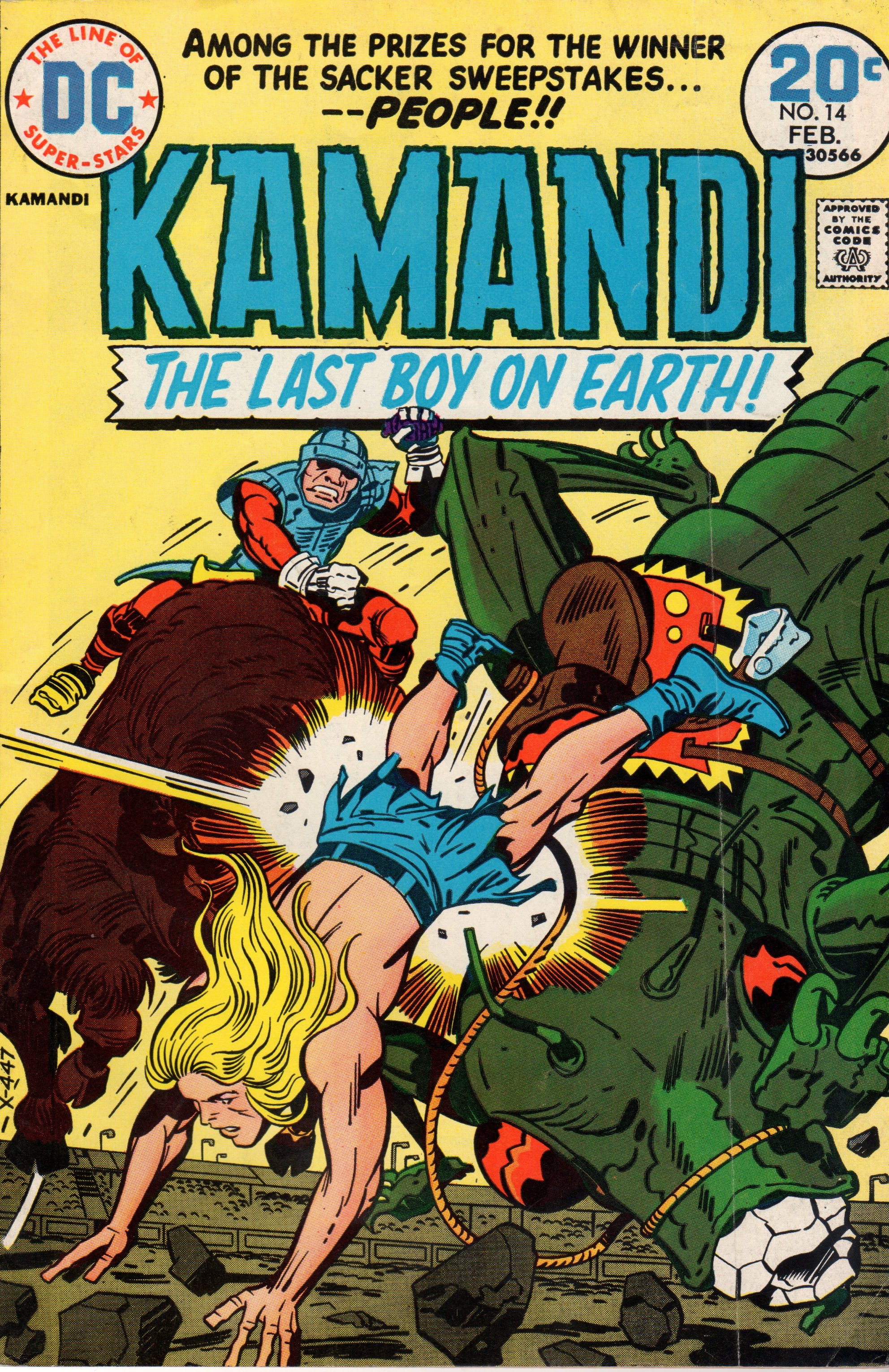
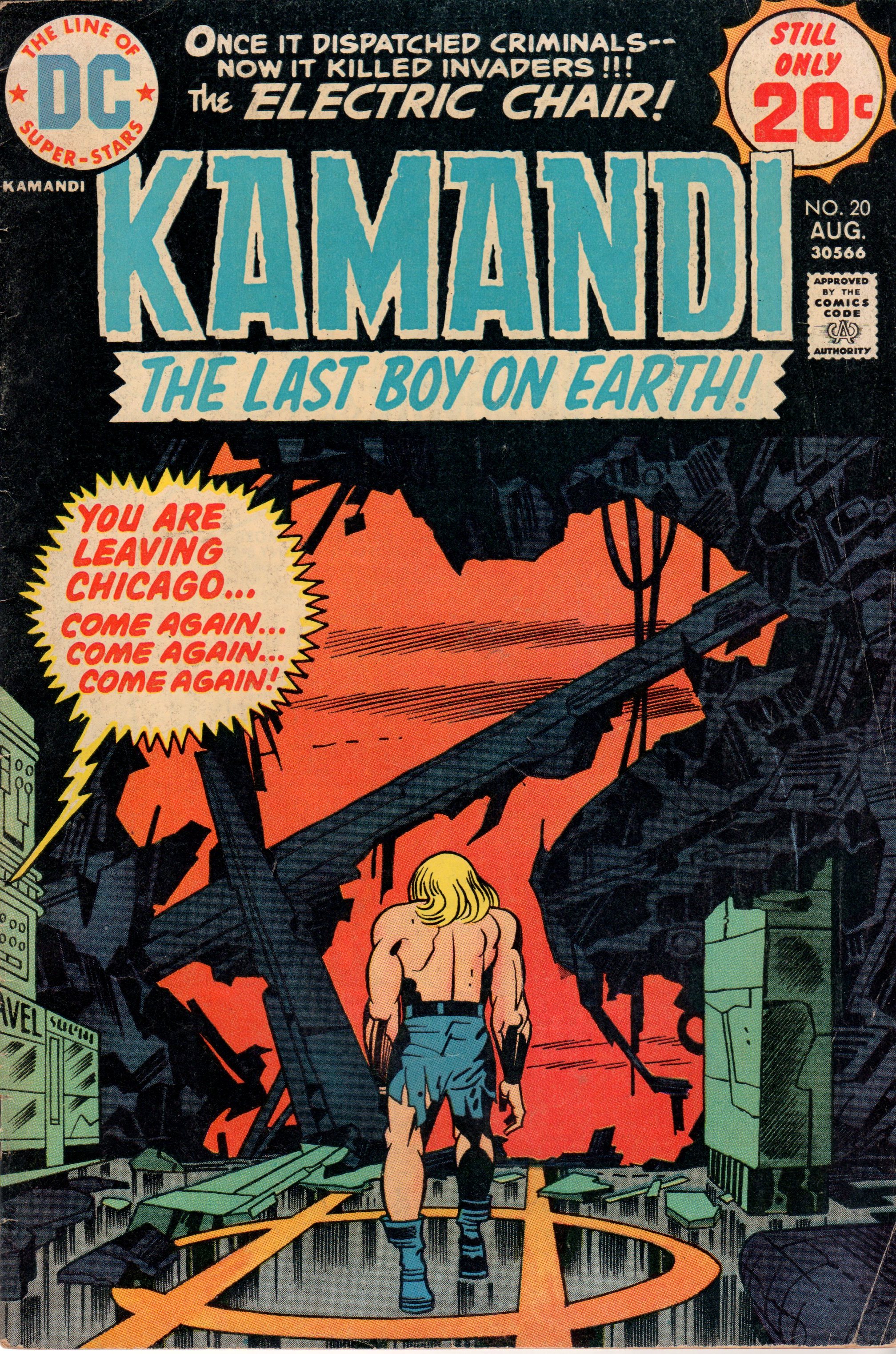
Jack Kirby’s – Kamandi, The Last Boy on Earth!

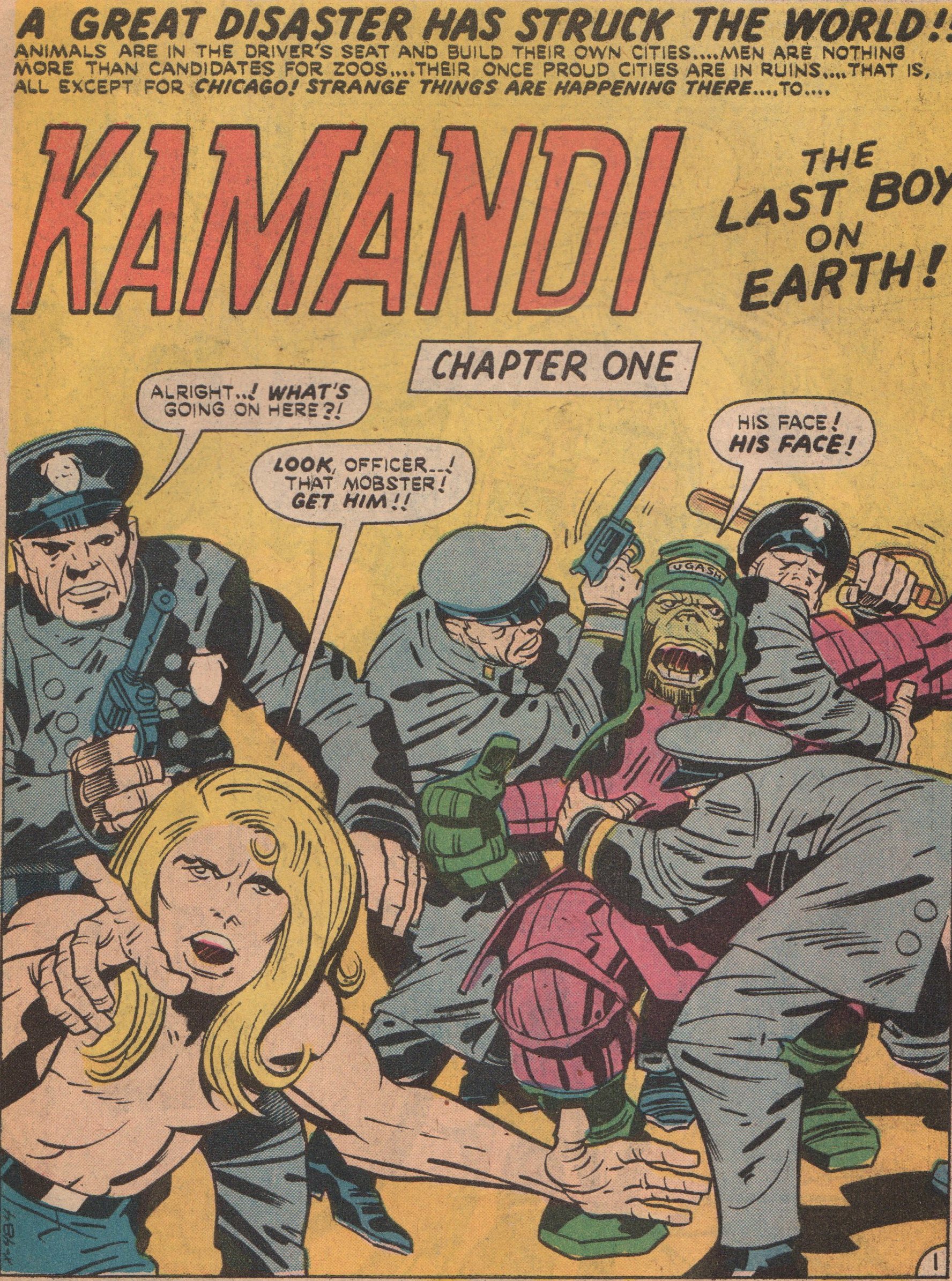
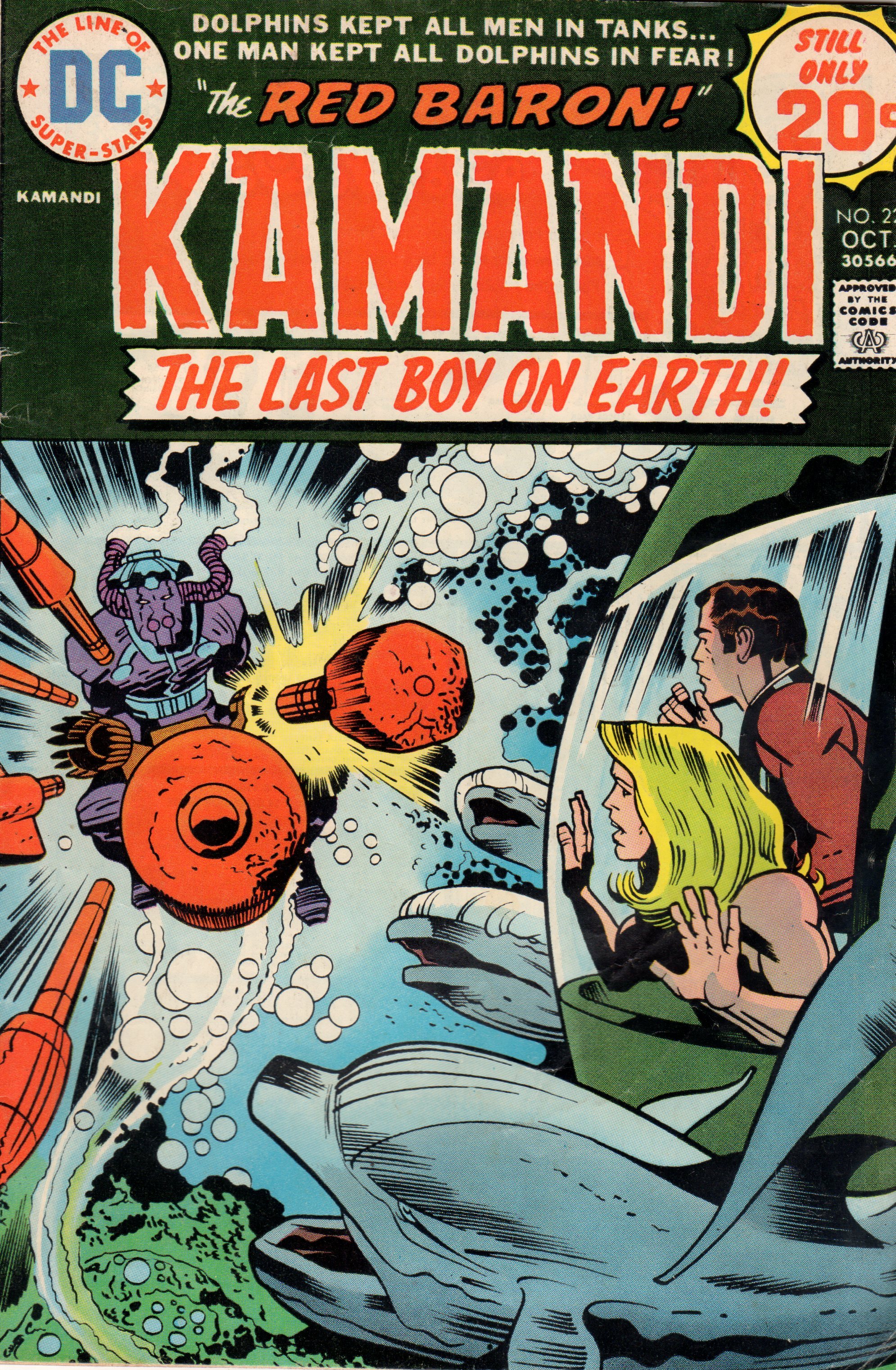
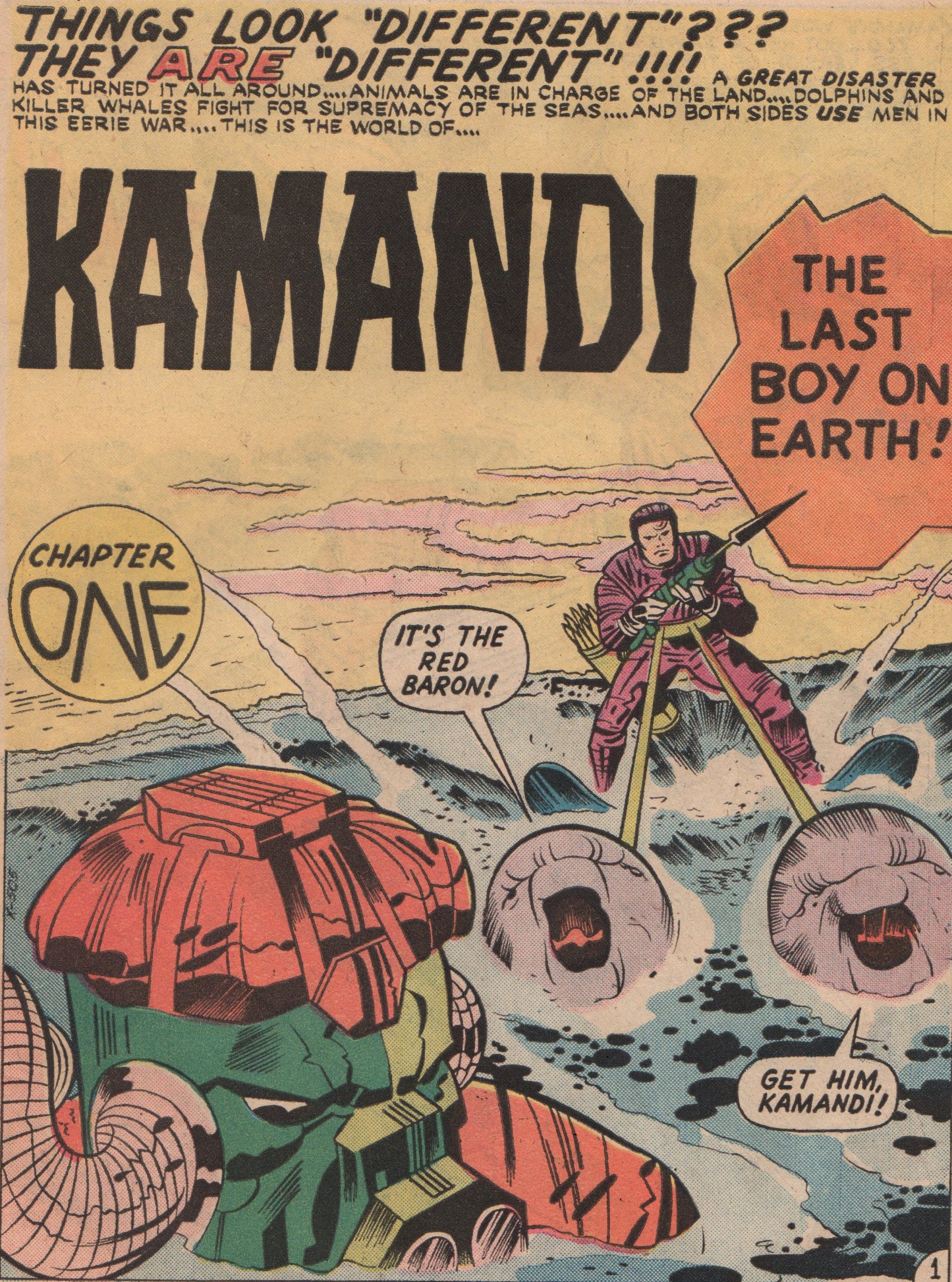
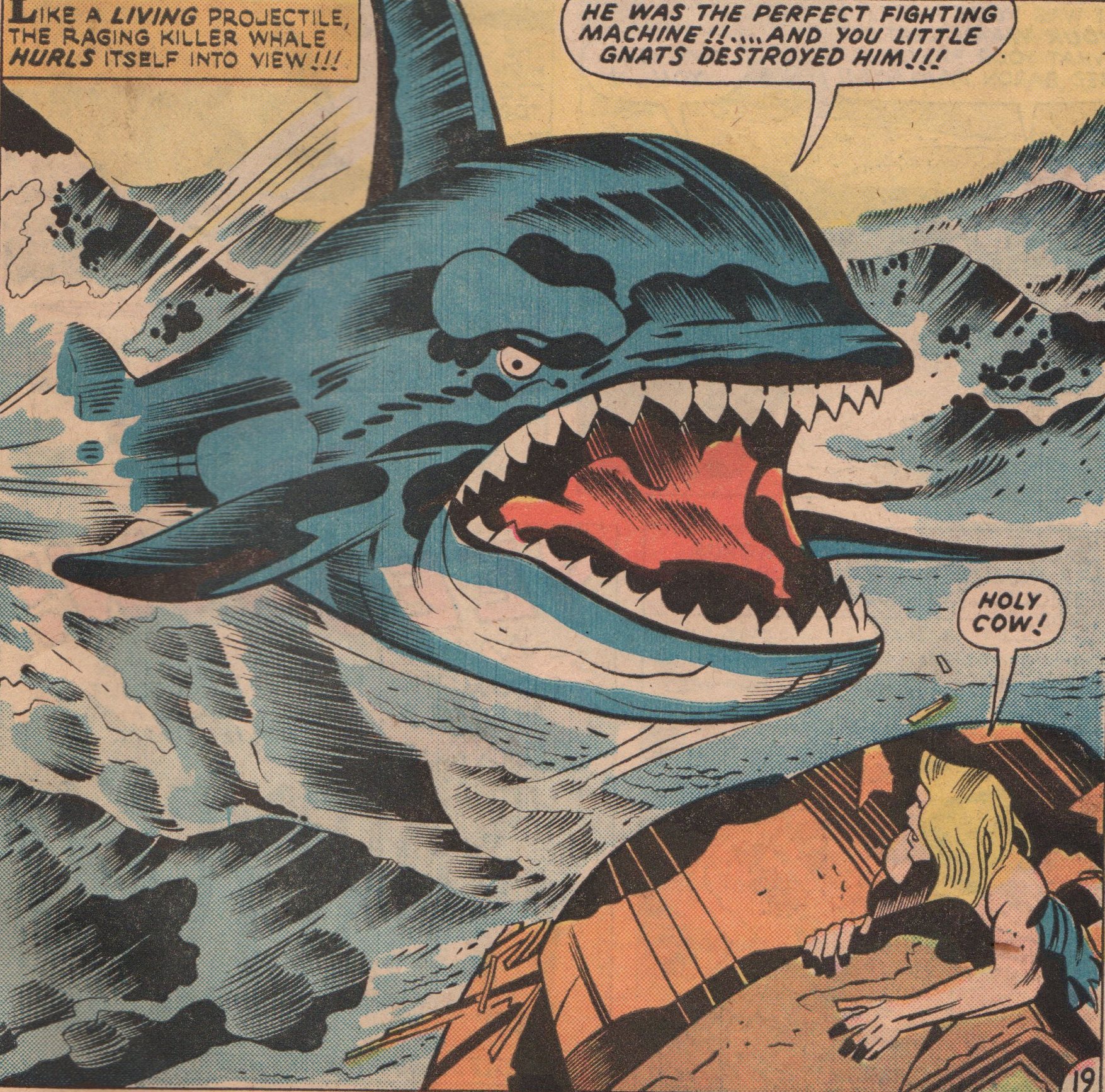
A post-apocalyptic world dominated by talking apes with an odd assortment of other talking creatures such as killer dolphins…yep. The unbridled imagination of Jack “King” Kirby (writer, editor, penciler) is something of wonder to us mere mortals, and it has been from his earliest works to his creations in the 1970s- work such as Kamandi, The Last Boy on Earth!

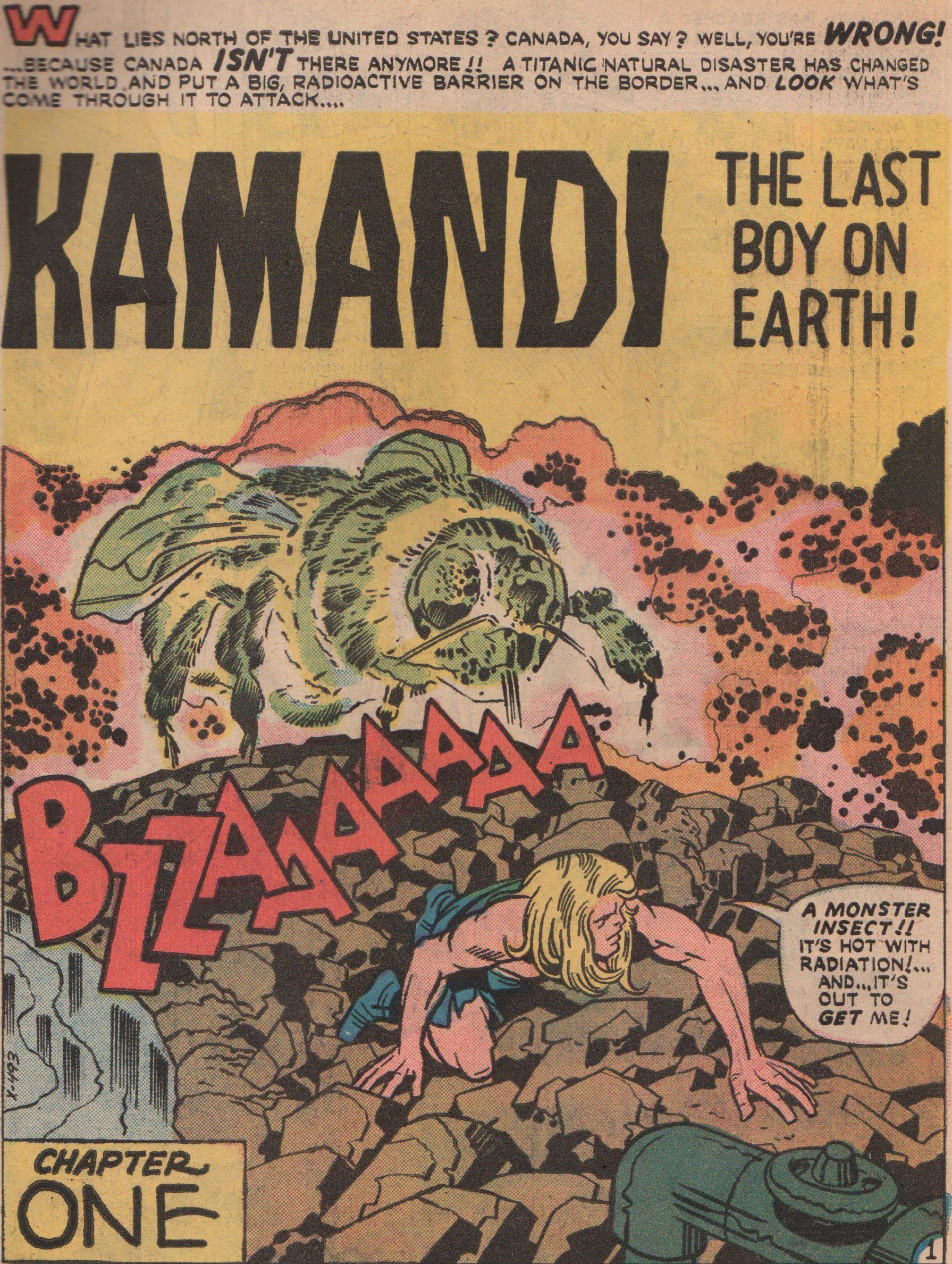
The book has a Planet of the Apes meets Escape From New York kinda vibe to it, and that’s a wonderful combination. No, Kamandi isn’t Snake Plissken, but the general tone and war-torn future definitely match up. There’s quirkiness to this title that has all the charm you’d expect from a comic produced by Kirby. Every issue I own contains not just a wild story, but also multiple splash pages that will absolutely blow your mind!

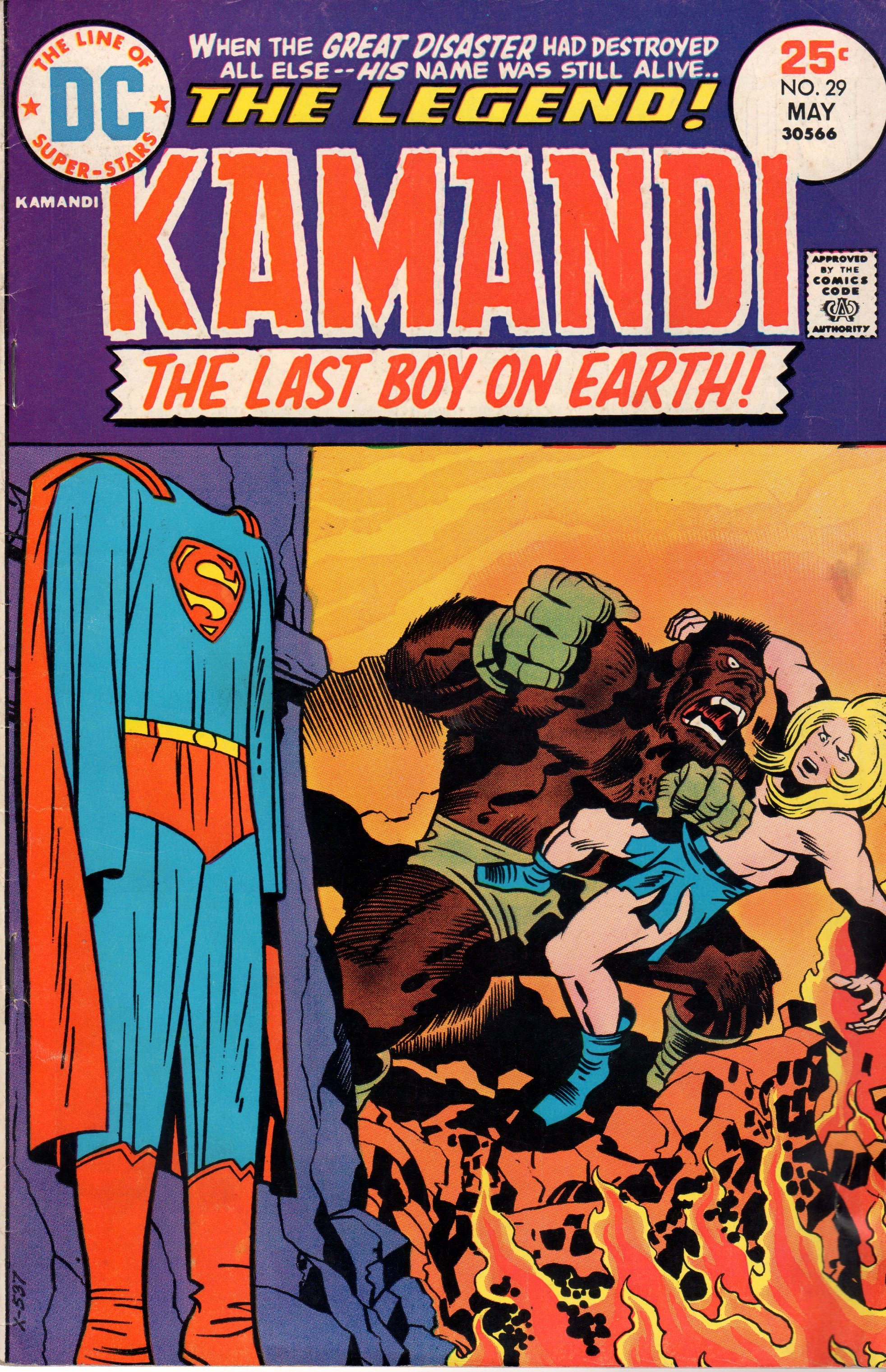
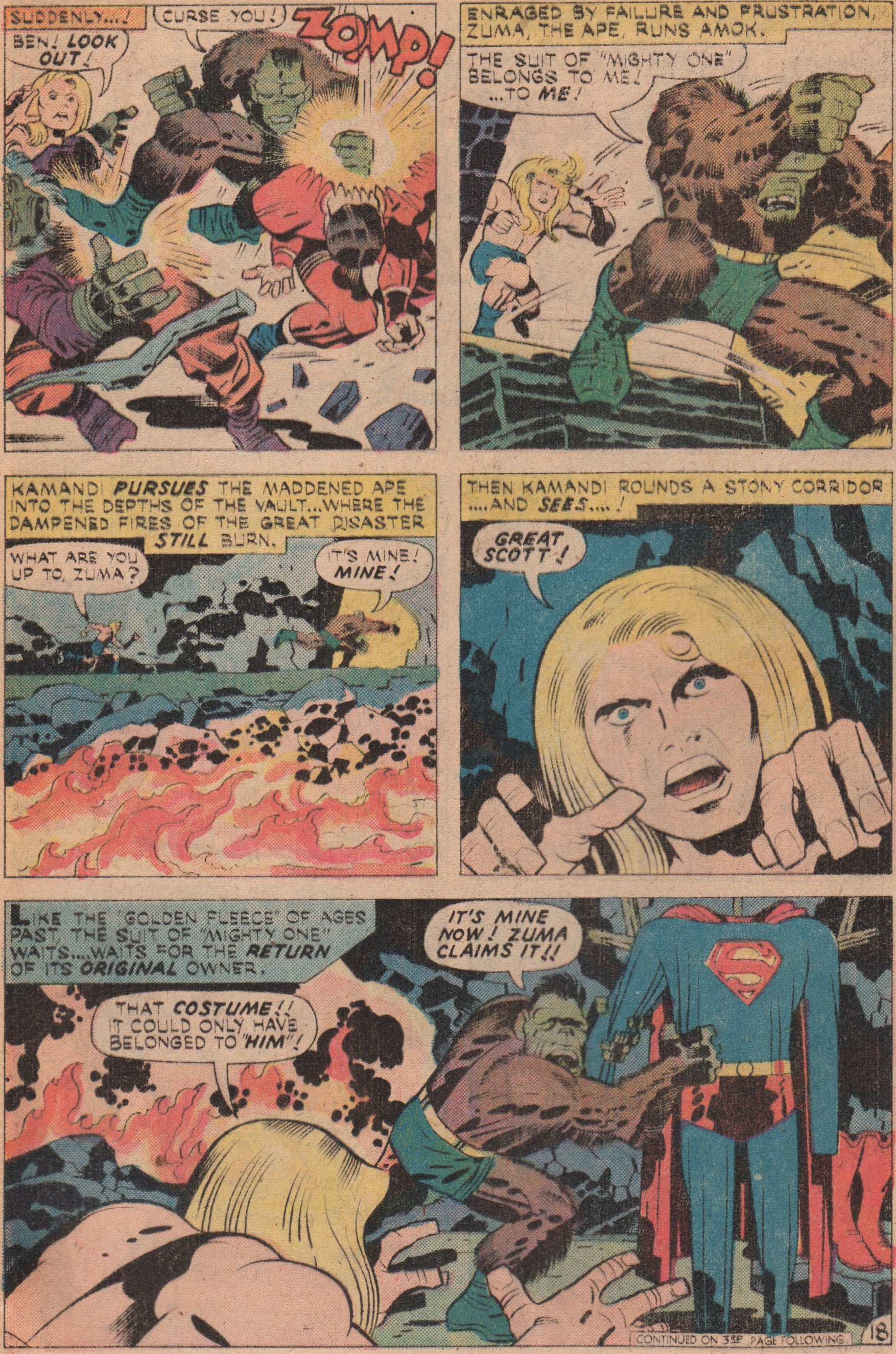
The early issues were inked by Mike Royer (also inker on another great Kirby DC title during this era, The Demon), and other than Joe Sinnott and Bill Everett, he’s probably my favorite Kirby inker. The later issues were inked/lettered by D. Bruce Berry. His style fit Kirby pretty well too, but not quite as powerfully as Royer’s. My absolute favorite issue is 29, because of the Superman tie-in! Kirby was a creator that can make anything seem real, no matter how ludicrous it seems when you step back and look at it.


img579

img580

img581

img582

img583

img584

img585

img586

img587

img588

img590

img591

img592

img593

img594

img595

img596

img597

img598

img599

X-Men Classics 1, 1983 “The Sentinels Live!”

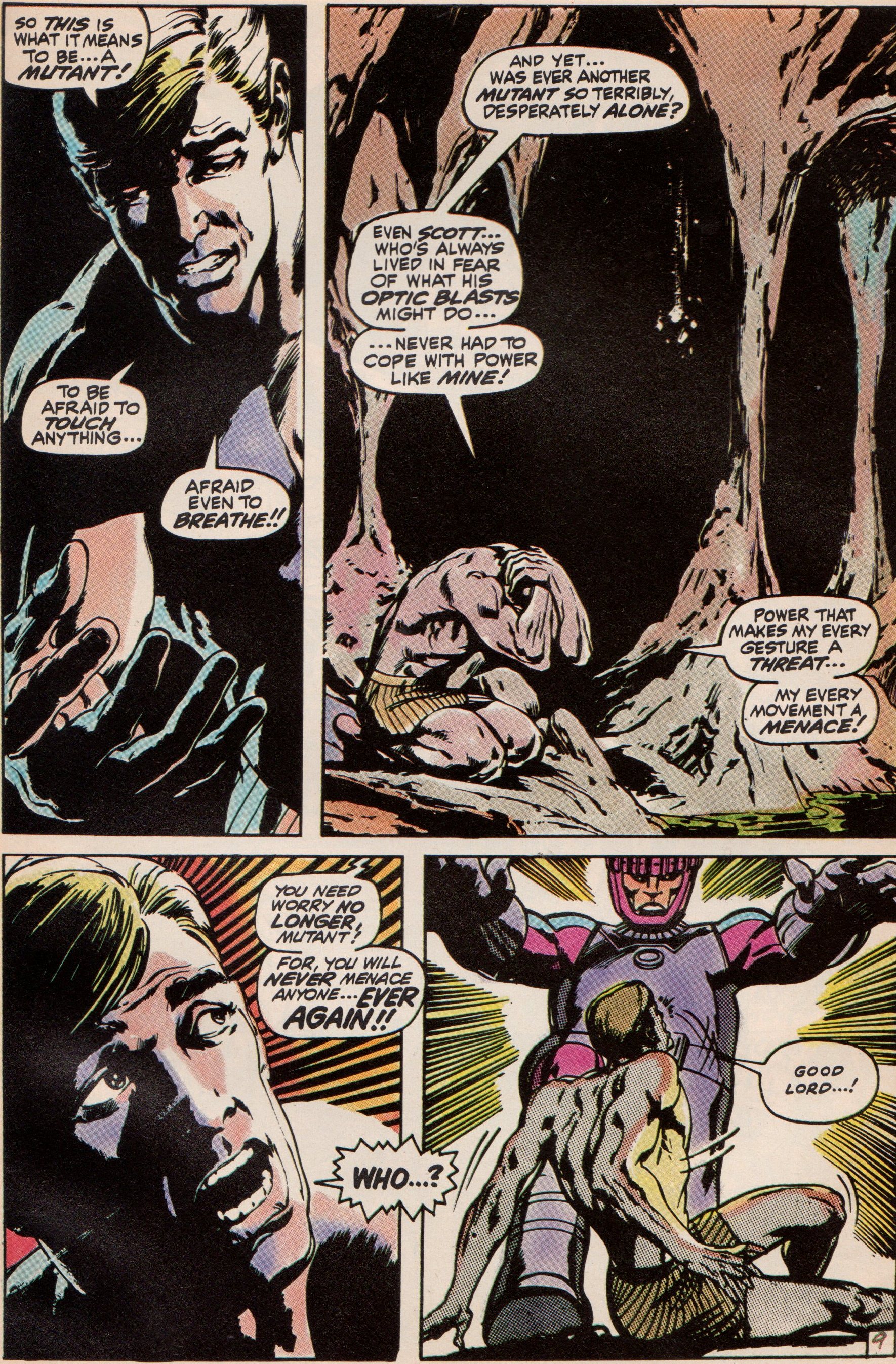
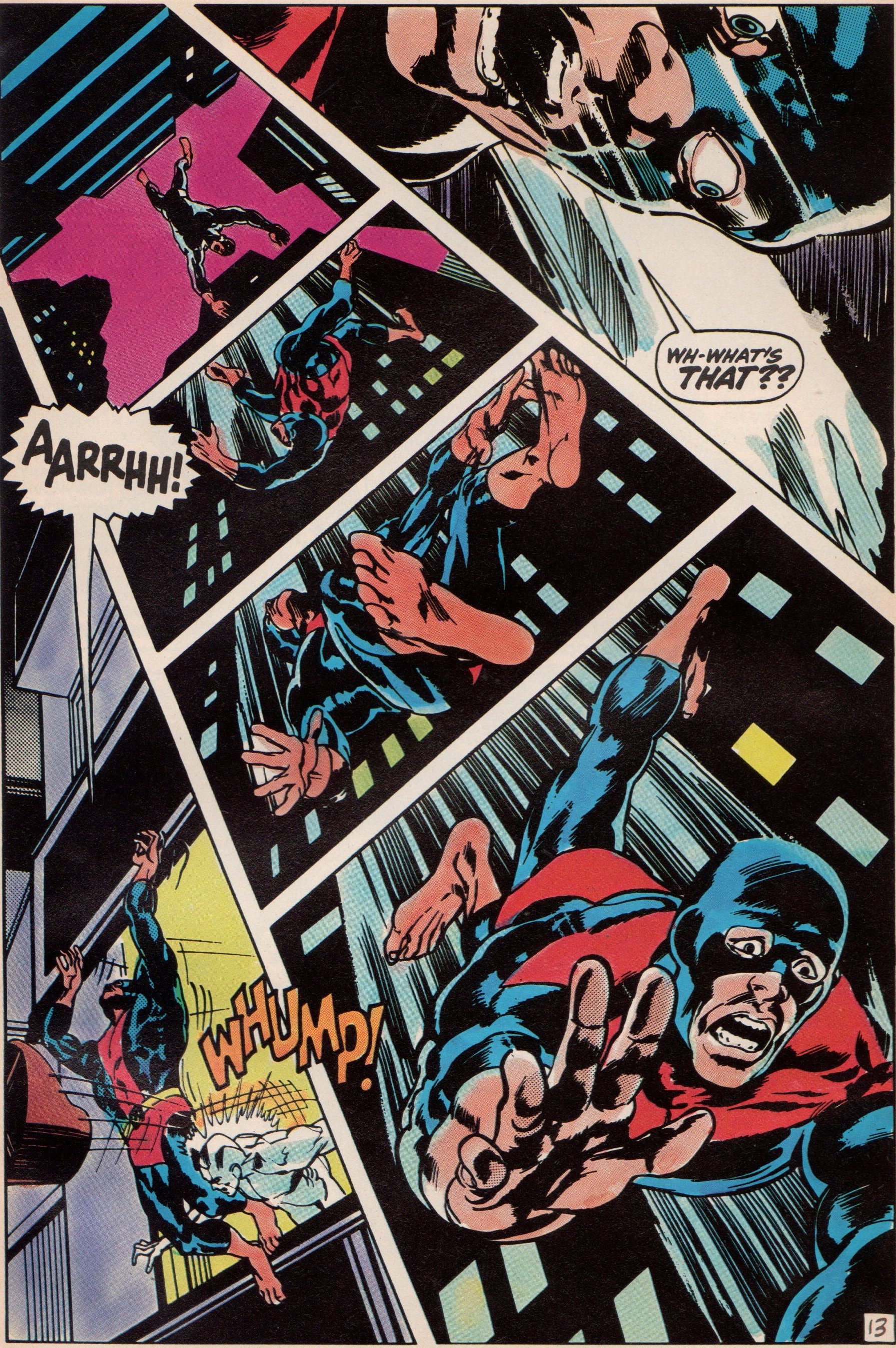
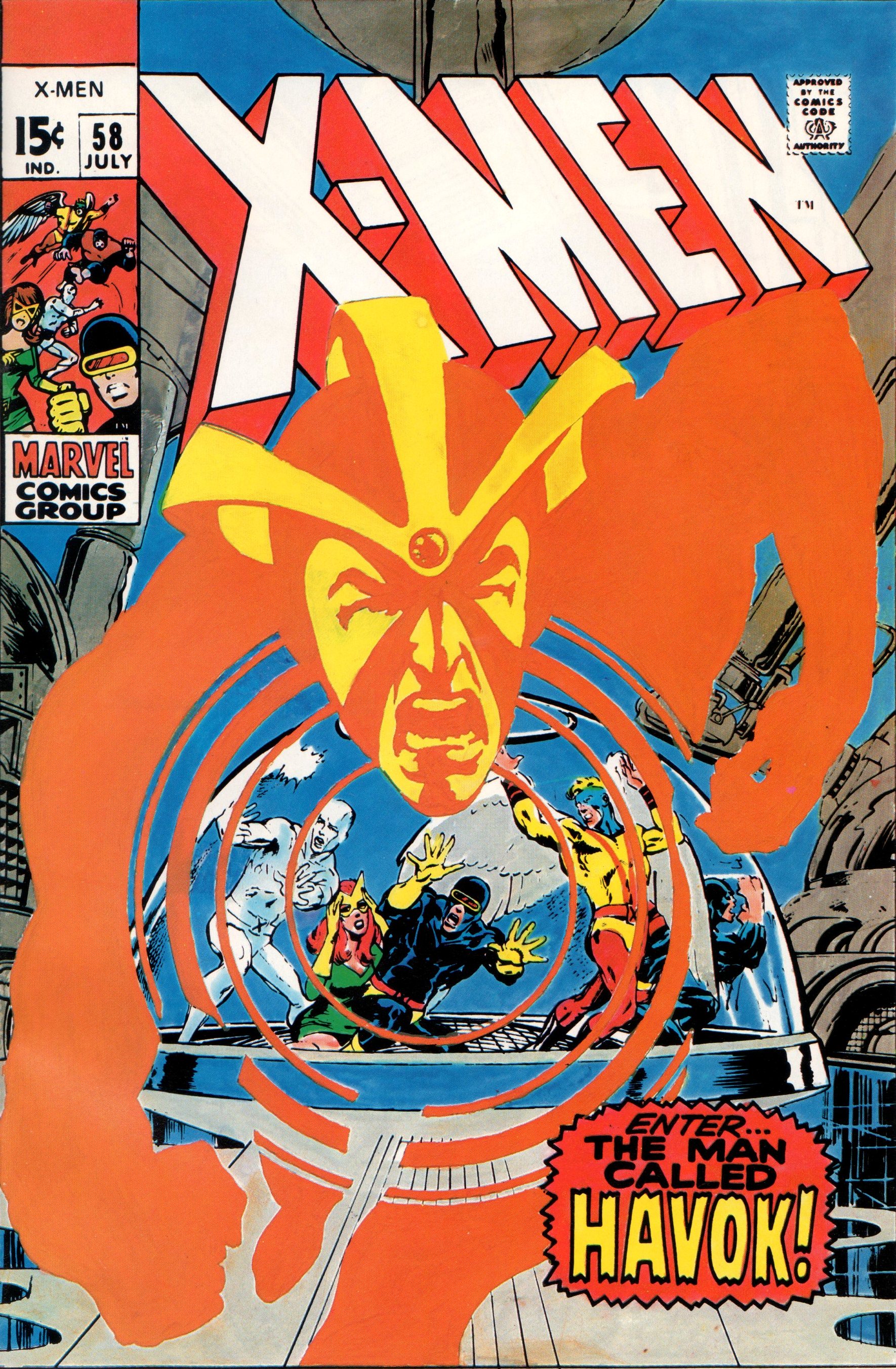
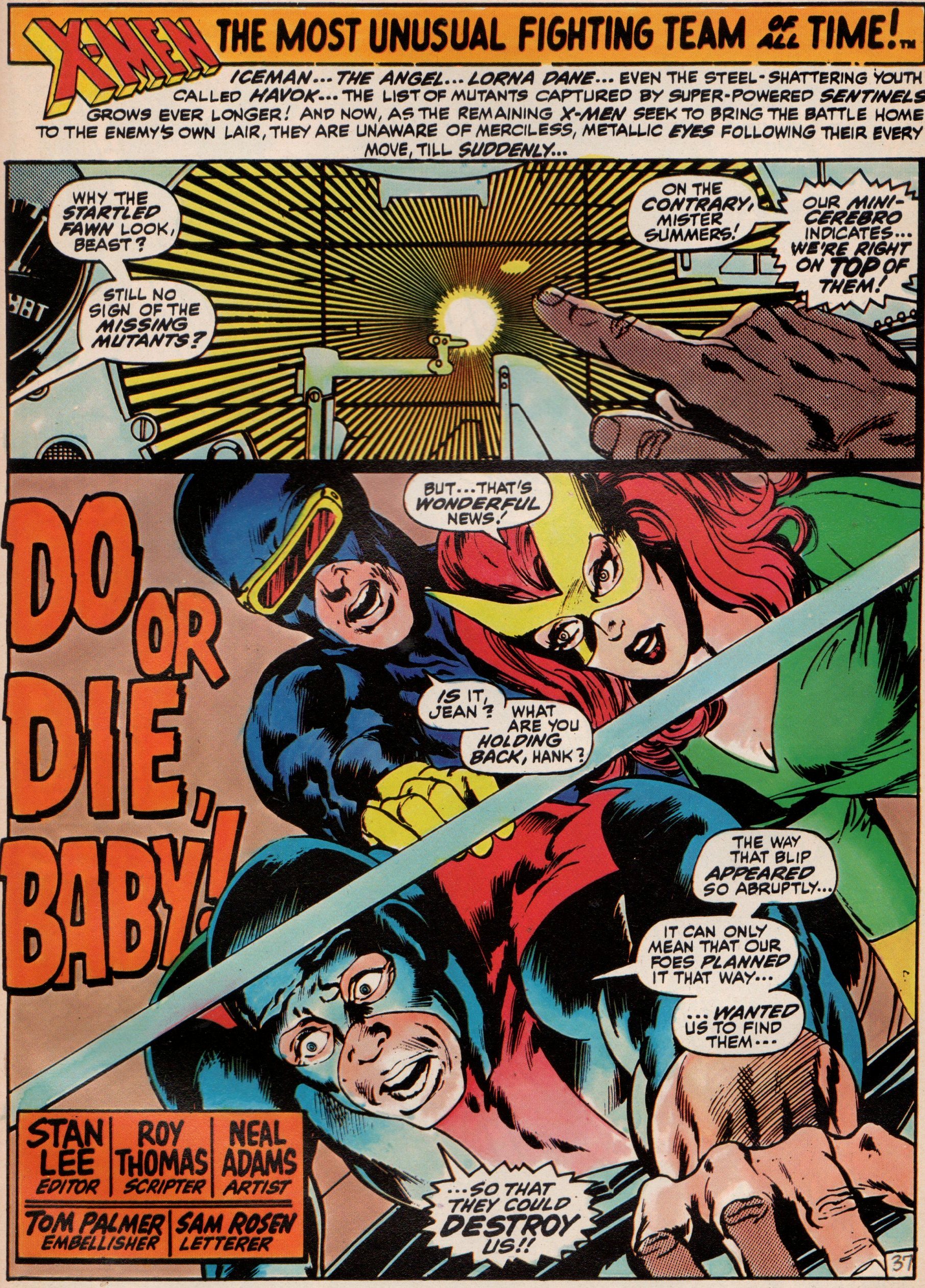
Back in the Silver Age, the X-Men weren’t a big deal. The book just never seemed to be able to find an audience. The early issues were a bit tough to get through reading, but the Kirby artwork obviously helped. That said, after issue 66, it went into reprints. That’s the part that baffles me, since leading up to that last issue of new material (the title was cancelled and went into reprints for over four years, until 1975), the book was producing the strongest material to date by a long shot!

This fantastic reprint book shows us issues 57-59, with that incredible story with the return of the Sentinels! Of course that means Trask as well, but we also see the dangerous Mesmero too (and Magneto…sort of)! The interpersonal relationships between the team members is on full display in these issues for sure.

Roy Thomas (writer) was certainly a gifted writer and that was clear on any kind of book, but his keen sense on writing team books was certainly felt by the readers of the X-Men. He knew how to weave the personal nature of the X-Men and the real world applications together seamlessly. The team of Neal Adams (pencils) and Tom Palmer (inks) put on quite a show in these issues as they did in pretty much everything else they touched as creators during their storied careers. The colors were courtesy of Daina Graziunas. Throw in a great wraparound cover by Mike Zeck (and Palmer on inks again), and throw in some extra art by Adams as well, and you get to see a visual feast!


img568

img569

img570

img571

img572

img573

img576

img574

img577

img575